Discover the secrets of the Forbidden Kingdom with our Ultimate Upper Mustang Trekking & Adventure Guide. Learn about permits, routes, and the Tiji Festival.
Upper Mustang Trekking & Adventure Guide: Exploring the Forbidden Kingdom
Welcome to the realm of ancient mysteries. Upper Mustang, Nepal, is not just a destination; it is a journey back in time. Tucked away in the rain shadow of the Annapurna and Dhaulagiri massifs, this high-altitude desert offers a landscape so alien and striking that it feels as though you have stepped onto another planet. Known as the 'Forbidden Kingdom,' Upper Mustang was closed to foreigners until 1992, and even today, it remains a highly regulated and precious cultural treasure.
In this comprehensive Upper Mustang Trekking & Adventure Guide, we will walk you through everything you need to know—from the logistical complexities of obtaining permits to the spiritual essence of the Tiji Festival and the best routes for your trekking expedition.
The Allure of Upper Mustang: A Cultural and Geological Marvel
Why do travelers brave the high-altitude winds and rugged terrain to visit this remote corner of the world? The answer lies in its duality: the harshness of the landscape versus the richness of the culture.
A Desert in the Clouds
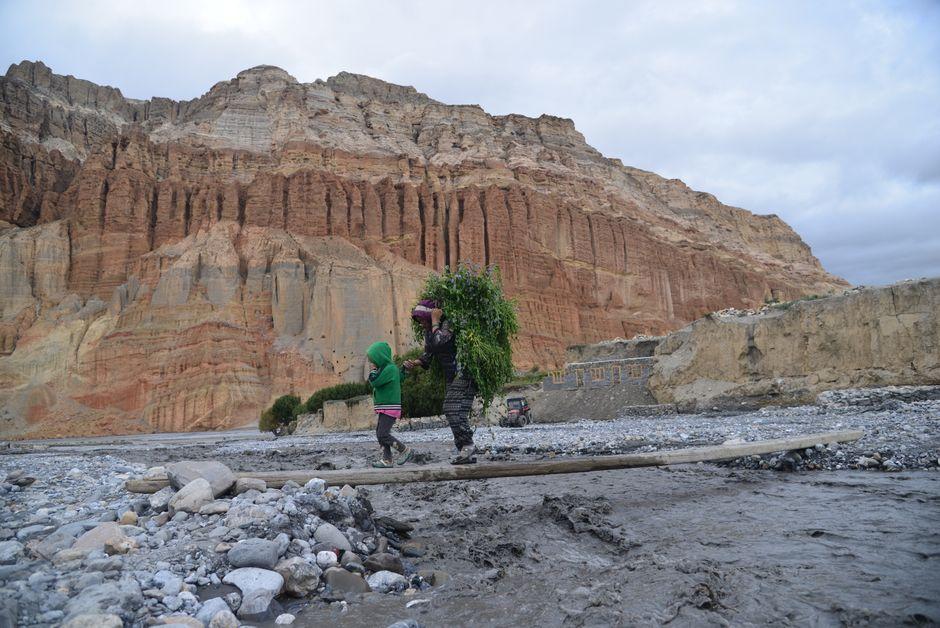
Because the massive Himalayan peaks act as a barrier to the Indian monsoon, Upper Mustang remains remarkably arid. This creates a high-altitude desert characterized by deep canyons, eroded cliffs, and vast, wind-swept plateaus. The geological formations here are a masterpiece of erosion, showing layers of red, ochre, and grey sandstone that stretch as far as the eye can see.
The Heart of Tibetan Culture
Unlike much of Nepal, which is influenced by Hindu traditions, Upper Mustang is a stronghold of Tibetan Buddhism. The architecture of the walled capital, Lo Manthang, reflects centuries of tradition. You will encounter whitewashed houses, colorful prayer flags fluttering in the wind, and ancient mani walls (stone walls inscribed with sacred mantras) that line every path.
Essential Travel Logistics: Planning Your Expedition
Traveling to Upper Mustang is significantly more complex than trekking in the Everest or Annapurna regions. Due to its sensitive border location near Tibet, the Nepal government has implemented strict regulations to preserve the local culture and ecology.
The Restricted Area Permit
This is the most critical piece of information for any traveler. Unlike standard trekking permits, Upper Mustang requires a Restricted Area Permit.
- Cost: Currently, the permit costs USD $500 per person for the first 10 days. For every additional day after that, there is a daily fee (approximately USD $50).
- Requirement: You must travel with a licensed Nepali trekking agency and have at least one other person in your group (minimum group size of two). You cannot trek solo in Upper Mustang.
Best Time to Visit
Timing is everything in the Himalayas. Because of the high altitude and desert climate, the window for exploration is relatively narrow.
- Spring (March to May): The weather is pleasant, and the landscape begins to thaw. This is a great time for those who want to witness the early stages of blooming in lower valleys.
- Autumn (September to November): This is widely considered the best time for an Upper Mustang trekking adventure. The skies are crystal clear, offering unparalleled views of the snow-capped peaks, and the weather is most stable.
- Winter (December to February): This is for the extreme adventurer. Temperatures drop significantly, and some high passes may be blocked by snow. However, the silence and the stark beauty are profound.
- Summer (June to August): While the monsoon hits the rest of Nepal, Upper Mustang stays dry due to the rain shadow. However, the winds can be extremely strong, making trekking difficult.
Trekking Routes in Upper Mustang
Depending on your fitness level and available time, there are several ways to experience this region.
1. The Classic Lo Manthang Trek
This is the most popular route, typically taking 10 to 15 days. It usually begins from Jomsom (accessible via a short flight from Pokhara) and moves through Kagbeni, Varang, and various small villages before reaching the walled city of Lo Manthang. This route offers a mix of beautiful valleys and profound historical sites.
2. The Mustang Circuit
For seasoned trekkers, combining Mustang with the Annapurna Circuit provides a spectacular variety of landscapes, from lush subtropical forests to high-altitude desert.
3. The Cultural Exploration (Lowland to Highland)
For those who prefer comfort over ruggedness, a Jeep-based tour allows you to visit major landmarks like Lo Manthang and Kagbeni without the intense physical toll of trekking, though you will still experience the thin air.
Must-See Attractions
Lo Manthang: The Walled City
Lo Manthang is the crown jewel of Upper Mustang. This ancient capital is surrounded by high walls and offers a glimpse into a feudal past. Explore the labyrinthine streets, visit the local monasteries (gompas), and stand in awe of the sheer scale of the surrounding cliffs.
The Tiji Festival
If you time your trip correctly, the Tiji Festival is a life-changing experience. Held in Lo Manthang, this three-day ritualistic dance celebrates the victory of good over evil. The masked dances performed by local monks are vibrant, spiritual, and deeply moving.
Chhanggar Caves and Sky Caves
Throughout the Mustang landscape, you will see hundreds of cave openings carved into the cliffs. Some are ancient settlements, others are burial sites. These 'Sky Caves' remain one of the great archaeological mysteries of the Himalayas.
Practical Travel Tips for Upper Mustang
- Acclimatization is Key: You will be ascending to high altitudes. Start your trek in lower regions (like Jomsom) to allow your body to adapt to the thin air.
- Packing Essentials: Bring high-quality layers. Even if it is sunny, the temperature can drop rapidly. A good windbreaker is essential for the desert winds.
- Hydration and Nutrition: Carry a reusable water bottle and purification tablets. Eating local food like Tsampa (roasted barley flour) provides excellent sustained energy for trekking.
- Cash is King: While some tea houses may take card, most of the time in Upper Mustang, you will need Nepali Rupees. Ensure you have enough before heading into the remote areas.
- Respect Local Customs: Always walk clockwise around mani walls and stupas. Always ask permission before taking photos of people or sacred rituals.
Health and Safety
High Altitude Sickness (AMS) is a real concern. Symptoms include headaches, nausea, and dizziness. If these occur, the best remedy is to descend to a lower altitude immediately. Always carry a basic medical kit including Diamox (after consulting your doctor).
Frequently Asked Questions (FAQs)
Q: Do I need a guide for Upper Mustang?
A: Yes, by law, a trekking agency must arrange your permit and provide a guide for the Upper Mustang region.
Q: How difficult is the Upper Mustang trek?
A: It is moderately to highly difficult depending on the route. The terrain is dry, dusty, and the altitude is high, which can be taxing on the cardiovascular system.
Q: Is there internet access in Upper Mustang?
A: In larger towns like Lo Manthang, you may find limited Wi-Fi or mobile signal, but it is highly unreliable. Expect limited connectivity throughout the trek.
Q: Can I trek solo in Upper Mustang?
A: No, the Restricted Area Permit requires you to be part of a group of at least two people accompanied by a licensed guide.
Conclusion
Upper Mustang is not a place you simply visit; it is a place you feel. The combination of the dramatic, wind-swept landscapes and the resilient, deeply spiritual culture creates an atmosphere unlike anywhere else on Earth. While the logistics and costs may be higher than other treks, the reward—a profound sense of discovery and an encounter with one of the last true frontiers—is well worth the effort. Pack your bags, respect the traditions, and prepare to lose yourself in the beauty of the Forbidden Kingdom.
Plan your adventure today and experience the timeless magic of Upper Mustang, Nepal!