Explore Rara Lake Nepal with our comprehensive trekking & adventure guide—discover routes, tips, and hidden gems for an unforgettable Himalayan escape.
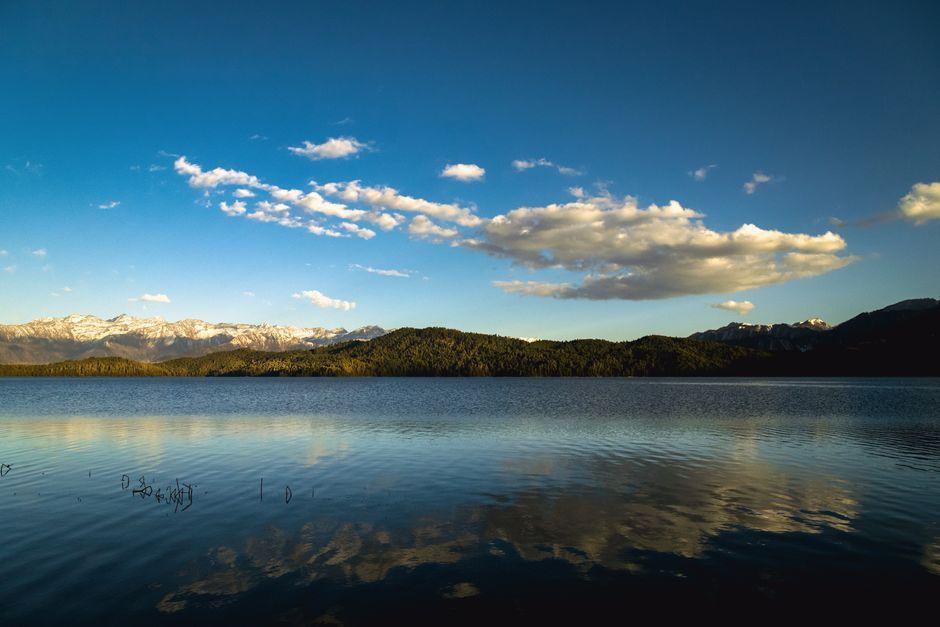
Rara Lake Trekking & Adventure Guide\n\n### Introduction\n\nNestled in the far northwestern reaches of Nepal, Rara Lake captivates travelers with its crystalline turquoise waters and the profound silence of the surrounding alpine wilderness. As the country's deepest lake, this high‑altitude gem offers an escape into one of the Himalayas' last truly untouched sanctuaries, where snow‑capped peaks reflect in mirror‑like waters and the journey itself becomes part of the adventure.\n\nIn this comprehensive Rara Lake Trekking & Adventure Guide, we’ll walk you through everything you need to know—from how to get there and the best time to visit, to trekking routes, accommodation options, local culture, and practical travel tips. Whether you’re a seasoned trekker or a first‑time visitor, this guide will help you plan a memorable trip to Rara Lake Nepal.\n\n### Getting There\n\nRara Lake is located in the remote Mugu District, part of the Karnali Province. The nearest major city is Pokhara, which has an international airport and a wide range of flights from Kathmandu and other cities. From Pokhara, you can take a local bus or hire a private vehicle to the town of Mugu. The journey takes roughly 8–10 hours, passing through winding mountain roads and offering spectacular views of the Annapurna range.\n\n**Alternative routes**: If you prefer a more scenic route, you can travel from Kathmandu to Jumla by bus (about 12 hours) and then continue to Mugu. However, road conditions can be challenging, especially during the monsoon season.\n\n### Best Time to Visit\n\nThe ideal window for trekking to Rara Lake is between **late March and early June** and again from **late September to mid‑November**. During these periods, the weather is relatively stable, temperatures range from 5°C to 20°C, and the skies are clear, providing unobstructed views of the surrounding peaks.\n\n**Monsoon season (June–September)** brings heavy rainfall, landslides, and road closures, making travel difficult. **Winter (December–February)** is cold, with temperatures dropping below freezing, and the lake may freeze partially, limiting trekking opportunities.\n\n### Trekking Routes\n\nThere are several trekking routes that lead to Rara Lake, each offering a unique experience. Below are the most popular ones:\n\n#### 1. Mugu–Rara Lake Trek (Classic Route)\n\n- **Distance**: ~35 km (round trip)\n- **Duration**: 6–7 days\n- **Highlights**: Dense pine forests, terraced fields, the Rara National Park, and the turquoise lake.\n- **Difficulty**: Moderate\n- **Daily Itinerary**:\n - Day 1: Pokhara → Mugu (bus)\n - Day 2: Mugu → Rara Village (4 km)\n - Day 3: Rara Village → Rara Lake (2 km)\n - Day 4: Explore Rara Lake and surrounding trails\n - Day 5: Return to Rara Village\n - Day 6: Rara Village → Mugu\n - Day 7: Mugu → Pokhara\n\n#### 2. Mugu–Rara–Jumla Trek (Extended Route)\n\n- **Distance**: ~70 km (round trip)\n- **Duration**: 10–12 days\n- **Highlights**: Additional villages, panoramic views of the Himalayas, and cultural immersion.\n- **Difficulty**: Challenging\n- **Daily Itinerary**: Similar to the classic route but with extra days in Jumla.\n\n#### 3. Rara Lake to Mugu via the Rara National Park Loop\n\n- **Distance**: ~25 km (loop)\n- **Duration**: 4–5 days\n- **Highlights**: Wildlife spotting, bird watching, and trekking through protected forest.\n- **Difficulty**: Easy to moderate\n\n### Accommodation\n\nRara Lake is a protected area, and accommodation options are limited. The main lodging is the **Rara Lake Resort**, a modest yet comfortable facility located near the lake. It offers basic amenities such as shared bathrooms, a communal kitchen, and a small restaurant serving local Nepali dishes.\n\n**Alternative options**: In Rara Village, you can stay in homestays or guesthouses run by local families. These provide a more intimate experience and a chance to learn about the local culture.\n\n### Food & Culture\n\nThe local cuisine around Rara Lake is simple but hearty, featuring dishes like **dal bhat** (lentil soup with rice), **gundruk** (fermented leafy greens), and **momo** (dumplings). Fresh fish from the lake is also a delicacy.\n\nThe people of Mugu District are predominantly **Tibetan Buddhist** and **Pahari** communities. They are known for their hospitality and traditional festivals, such as the **Yomari festival** during the harvest season.\n\n### Adventure Activities\n\nBeyond trekking, Rara Lake offers a range of adventure activities:\n\n- **Kayaking**: Rent a kayak and paddle across the serene waters.\n- **Bird Watching**: The lake is home to species like the **Rara Pigeon** and **Snow Partridge**.\n- **Photography**: Capture the mirror‑like reflections of the surrounding peaks.\n- **Camping**: Set up a tent near the lake for a night under the stars.\n\n### Practical Tips\n\n1. **Permits**: Obtain a **National Park Entry Permit** from the Rara National Park office in Rara Village. The fee is approximately NPR 1,500 per person.\n2. **Altitude**: The lake sits at 3,210 meters. Acclimatize by spending a day in Mugu before heading to the lake.\n3. **Packing**: Bring layered clothing, a waterproof jacket, sturdy trekking boots, a hat, sunglasses, sunscreen, and a first‑aid kit.\n4. **Cash**: ATMs are scarce. Carry enough cash (NPR) for meals, permits, and emergencies.\n5. **Connectivity**: Mobile coverage is limited. Consider a local SIM card for emergency use.\n6. **Respect the Environment**: Follow the **Leave No Trace** principles. Pack out all trash and avoid disturbing wildlife.\n\n### FAQs\n\n**Q1: How do I get to Rara Lake from Kathmandu?**\nA1: The most common route is via Pokhara. Fly or bus to Pokhara, then take a local bus or hire a vehicle to Mugu. From Mugu, trek to Rara Lake.\n\n**Q2: Is the trek suitable for beginners?**\nA2: The classic Mugu–Rara trek is moderate and can be tackled by fit beginners with some trekking experience. However, acclimatization is essential.\n\n**Q3: What is the best time of day to photograph the lake?**\nA3: Early morning (sunrise) and late afternoon (sunset) provide soft light and fewer crowds.\n\n**Q4: Can I bring a camera?**\nA4: Absolutely! The lake’s reflections and surrounding peaks make for stunning shots.\n\n**Q5: Are there any safety concerns?**\nA5: The area is generally safe, but be mindful of altitude sickness, sudden weather changes, and the remote nature of the trek.\n\n### Conclusion\n\nRara Lake Nepal remains one of the most pristine and untouched destinations in the Himalayas. With its crystal‑clear waters, towering peaks, and tranquil atmosphere, it offers a unique blend of adventure and serenity. Whether you’re trekking through pine forests, kayaking across the lake, or simply soaking in the silence, Rara Lake promises an unforgettable experience.\n\nUse this Rara Lake Trekking & Adventure Guide to plan your trip, stay safe, and immerse yourself in the natural beauty and cultural richness of this remote corner of Nepal. Happy trekking!