
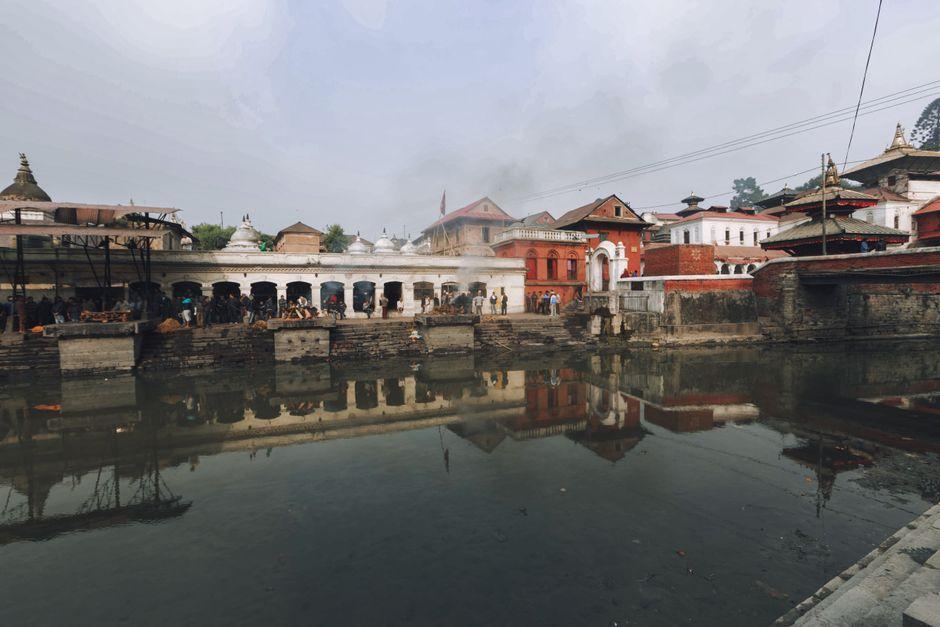
Explore the sacred Pashupatinath Temple in Kathmandu with our comprehensive trekking & adventure guide, covering travel tips, rituals, and nearby attractions.
Introduction
Pashupatinath Temple Nepal is one of the most revered Hindu shrines in the world. Nestled on the banks of the sacred Bagmati River in Kathmandu, this UNESCO World Heritage Site draws pilgrims, photographers, and adventure seekers alike. Whether you are looking to witness ancient rituals, explore nearby trekking routes, or simply soak in the spiritual atmosphere, our Pashupatinath Temple Trekking & Adventure Guide will help you plan a memorable trip.
Why Visit Pashupatinath?
- Spiritual significance – Dedicated to Lord Shiva, the temple complex is a living testament to centuries of devotion.
- Architectural marvel – The pagoda‑style sanctum, intricate stone carvings, and towering spires showcase traditional Nepali craftsmanship.
- Cultural immersion – From cremation ghats to daily puja, you’ll experience rituals that have been performed for generations.
- Natural beauty – The temple sits beside the Bagmati River, offering serene views and a chance to witness the river’s sacred rituals.
Getting There
From Tribhuvan International Airport
The airport is located about 15 km from Kathmandu’s city center. You can take a taxi, ride‑share, or a pre‑booked airport transfer. The journey takes roughly 30–45 minutes depending on traffic.
By Public Transport
- Buses – Several city buses (routes 1, 2, 3) stop near the temple. Fares are inexpensive, but the buses can be crowded.
- Microbuses – These are faster and more comfortable, especially during peak hours.
By Private Car
If you prefer a hassle‑free ride, hire a private car or use a ride‑share app. This is the most convenient option for groups or families.
Visiting Hours & Entry Fees
| Time | Day | Notes |
|---|---|---|
| 5:30 AM – 11:30 AM | All days | Early morning is the best time to witness cremation rituals. |
| 12:00 PM – 5:00 PM | All days | Temple is open for worship and photography. |
| 5:30 PM – 8:30 PM | All days | Evening puja and light displays. |
- Entry fee – The main temple is free for all visitors. However, certain areas such as the inner sanctum or the cremation ghats may require a small donation or a guided tour fee.
Cultural Etiquette
- Dress modestly – Wear long pants or skirts and cover shoulders. Avoid sleeveless tops and shorts.
- Remove shoes – Before entering the sanctum, you must take off your shoes and place them in the designated area.
- Respect rituals – Do not touch or interfere with ongoing ceremonies. Keep a respectful distance.
- Photography rules – Photography is allowed in most areas, but it is prohibited inside the inner sanctum and during certain rituals. Always ask for permission if unsure.
- No smoking – Smoking is strictly prohibited within the temple premises.
Nearby Attractions
| Attraction | Distance | Highlights |
|---|---|---|
| Boudhanath Stupa | 3 km | One of the largest stupas in the world. |
| Swayambhunath (Monkey Temple) | 4 km | Offers panoramic views of Kathmandu Valley. |
| Garden of Dreams | 2 km | A tranquil colonial garden perfect for a break. |
| Kathmandu Durbar Square | 5 km | Historic palace complex with museums. |
Trekking Options Around Pashupatinath
While the temple itself is not a trekking destination, the surrounding hills provide excellent trekking routes for adventure enthusiasts.
1. **Nagarkot Trek**
- Distance – 12 km round trip
- Duration – 2–3 days
- Highlights – Sunrise over the Himalayas, panoramic views of the Mahabharat Range, and lush rhododendron forests.
2. **Kirtipur to Pashupatinath Loop**
- Distance – 8 km
- Duration – 1 day
- Highlights – Historical villages, terraced fields, and local markets.
3. **Kathmandu Valley Circuit**
- Distance – 20 km
- Duration – 3–4 days
- Highlights – Multiple UNESCO sites, local festivals, and cultural performances.
Adventure Activities
- River Rafting on the Bagmati – Guided rafting trips are available for beginners and experienced rafters.
- Biking Tours – Rent a bicycle and explore the temple’s surroundings at your own pace.
- Photography Workshops – Capture the temple’s intricate details and the river’s rituals with professional guidance.
Accommodation
| Type | Recommendation | Price Range |
|---|---|---|
| Budget Guesthouses | Pashupatinath Guesthouse | $10–$20/night |
| Mid‑Range Hotels | Hotel Shree Palace | $30–$50/night |
| Luxury Resorts | The Pashupatinath Retreat | $80–$120/night |
All accommodations are within a 5–10 minute walk from the temple. Book in advance during peak pilgrimage seasons (April–May and September–October).
Food & Drink
- Local Cuisine – Try momo (dumplings), sel roti (rice bread), and thukpa (noodle soup).
- Temple Food Stalls – Offer simple vegetarian meals, often donated by devotees.
- Hydration – Carry bottled water; tap water is not recommended.
Safety Tips
- Health – Carry a basic first‑aid kit, especially if you plan to trek. Stay hydrated and avoid street food if you have a sensitive stomach.
- Weather – The valley can be hot in summer and chilly in winter. Dress in layers.
- Crowds – During festivals, the temple can become extremely crowded. Keep valuables secure.
- Respect Local Laws – Nepal has strict regulations on photography in certain areas. Follow all signs and instructions.
Frequently Asked Questions
Q1: Is it safe to visit the cremation ghats?
Yes, the ghats are safe for visitors. However, maintain a respectful distance and avoid touching any rituals.
Q2: Can I bring a camera inside the temple?
Photography is allowed in most areas, but it is prohibited inside the inner sanctum and during certain rituals. Always ask for permission.
Q3: What is the best time of year to visit?
The best times are spring (April–May) and autumn (September–October) when the weather is mild and the valley is lush.
Q4: Do I need a guide to trek around Pashupatinath?
While you can trek independently, hiring a local guide ensures safety, especially on more challenging routes.
Q5: Are there any restrictions for foreign visitors?
No special restrictions, but always respect local customs and dress modestly.
Travel Tips
- Plan Ahead – Book accommodation and transport early, especially during festivals.
- Carry Cash – While many places accept cards, small vendors and temple donations often require cash.
- Learn Basic Nepali Phrases – Simple greetings like Namaste and Dhanyabad go a long way.
- Respect the Environment – Dispose of waste properly; the temple area is highly sensitive.
- Stay Connected – Purchase a local SIM card for reliable internet and navigation.
Conclusion
Pashupatinath Temple Nepal is more than a religious site; it is a living tapestry of faith, culture, and adventure. From witnessing ancient cremation rituals to trekking the nearby hills, the experience offers something for every traveler. By following our Pashupatinath Temple Trekking & Adventure Guide, you’ll navigate the temple’s sacred spaces with respect, explore the valley’s natural beauty, and create memories that last a long time. Pack your curiosity, respect the traditions, and let the spirit of Kathmandu guide you on an unforgettable journey.