Discover the spiritual depth and thrilling adventures of Muktinath Temple in Nepal with our expert trekking guide.
Muktinath Temple Trekking & Adventure Guide
Introduction
Muktinath Temple, nestled at an awe-inspiring altitude of 3,710 meters in Nepal's Mustang district, is a spiritual and natural marvel. This sacred site seamlessly blends Hindu and Buddhist traditions, offering pilgrims a unique journey toward liberation. With 108 holy water spouts and the eternal flame of Jwala Devi, Muktinath Temple attracts thousands annually, set against some of the world's most breathtaking Himalayan landscapes. This guide explores the pilgrimage, trekking routes, and adventure opportunities this remote destination offers.
Why Visit Muktinath Temple?
Spiritual Significance
As a revered site for both Hindus and Buddhists, Muktinath Temple symbolizes the union of faith and nature. Pilgrims believe that bathing in the 108 spouts cleanse past sins, while the Jwala Devi flame represents eternal enlightenment. The temple's mystique and cultural heritage make it a must-visit for spiritual seekers.
Stunning Geography
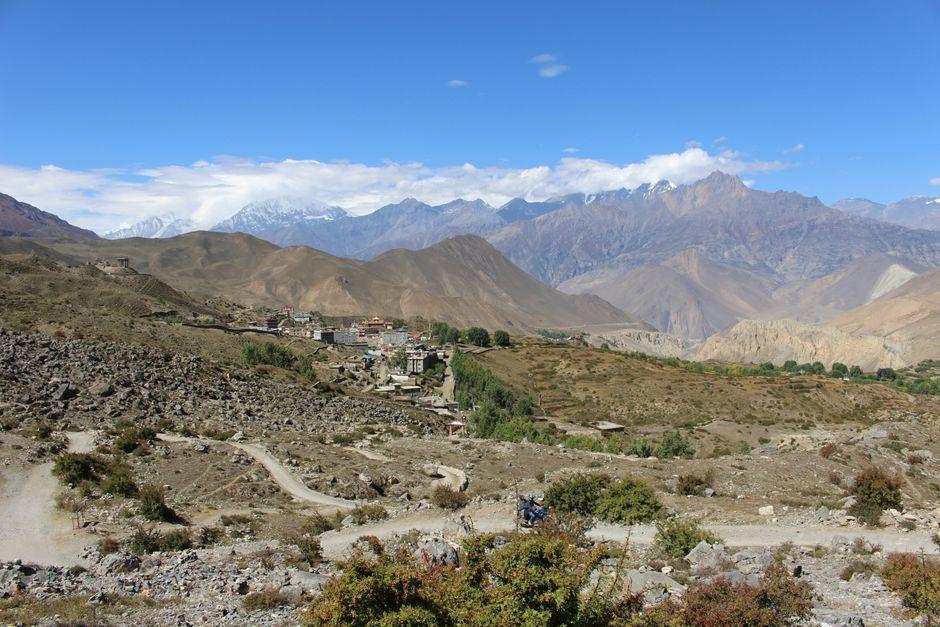
Located in the rain-shadow region of Mustang, the temple offers panoramic views of the Annapurna and Himalayan ranges. The stark beauty of the arid landscape, combined with high-altitude serenity, creates an otherworldly experience.
Trekking Routes to Muktinath Temple
Popular Trekking Paths
- LPokhari to Muktinath: A 14-16 day trek starting from Kathmandu, passing through Pokhara, Ghangali, and Upper Mustang. This route offers diverse ecosystems and cultural immersion.
- Bandipur to Muktinath: A shorter, 7-day trek ideal for experienced hikers, covering scenic villages and historic sites.
Adventure Add-ons
- Annapurna Base Camp Extension: Combine Muktinath with the Annapurna trek for unparalleled mountain views.
- Paragliding Nearby: The Mustang region offers limited paragliding opportunities near the Kali Gandaki Valley.
Pilgrimage Experience
Rituals and Practices
Visitors often perform circumambulations (Parikrama) around the temple clockwise and counterclockwise. The 108 spouts are sanctified by chanting, while the Jwala Devi flame is believed to be ignited by premature Hindu gods.
Best Time to Visit
The ideal trekking and pilgrimage window is spring (March-May) and autumn (September-November). These seasons offer stable weather and clearer skies, though permits are mandatory for foreigners.
Adventure Activities Around Muktinath
Exploring Mustang's Riches
- GHsoringi Hot Springs: Relax in natural geothermal springs after a day of trekking.
- Burako Chhusum: Scale this 4,710-meter peak for a thrilling multi-day climb.
- Cultural Immersion: Stay in traditional Mustang lodges and learn about Tibetan Buddhist monasteries.
Practical Travel Advice
Permits and Regulations
- Restricted Area Permit: Required for foreigners, costing $200. Apply via a licensed agency.
- Camera Permit: Needed for photography in restricted zones.
Essential Packing List
- High-altitude clothing (thermal layers, gloves)
- Sturdy trekking shoes
- Headlamp (for early morning rituals)
- Portable water purification tablets
Health and Safety
- Acclimatize in Pokhara or Bandipur before ascending.
- Consult a doctor for altitude sickness medication.
- Carry a basic first-aid kit and emergency contact info.
FAQs
Q: How far is Muktinath Temple from Kathmandu?
A: Approximately 230 km, taking 7-9 hours by jeep or bus.
Q: Can non-pilgrims visit Muktinath Temple?
A: Yes, but respect local customs and avoid disturbing rituals.
Q: Is trekking to Muktinath dangerous?
A: Moderately challenging due to altitude (3,710m) and remote trails. Experienced guides are recommended.
Q: What is the best month to visit?
A: October-December or March-May for optimal weather.
Q: Are accommodations available near Muktinath?
A: Basic lodges exist in nearby villages like Mu urethang or LarungPan.
Conclusion
Muktinath Temple offers a profound blend of spiritual enlightenment and high-altitude adventure. Whether seeking liberation through prayer or thrilling treks through Mustang's rugged beauty, this guide equips travelers with the facts, tips, and insights needed for a memorable journey. Embrace the sacred serenity of Muktinath and discover the magic of Nepal's hidden Himalayan gem.