Discover the spiritual magic of Muktinath Temple Nepal. Our budget travel guide covers how to reach this sacred site, costs, best times, and essential tips.
Muktinath Temple Budget Travel Guide: A Spiritual Journey to Mustang
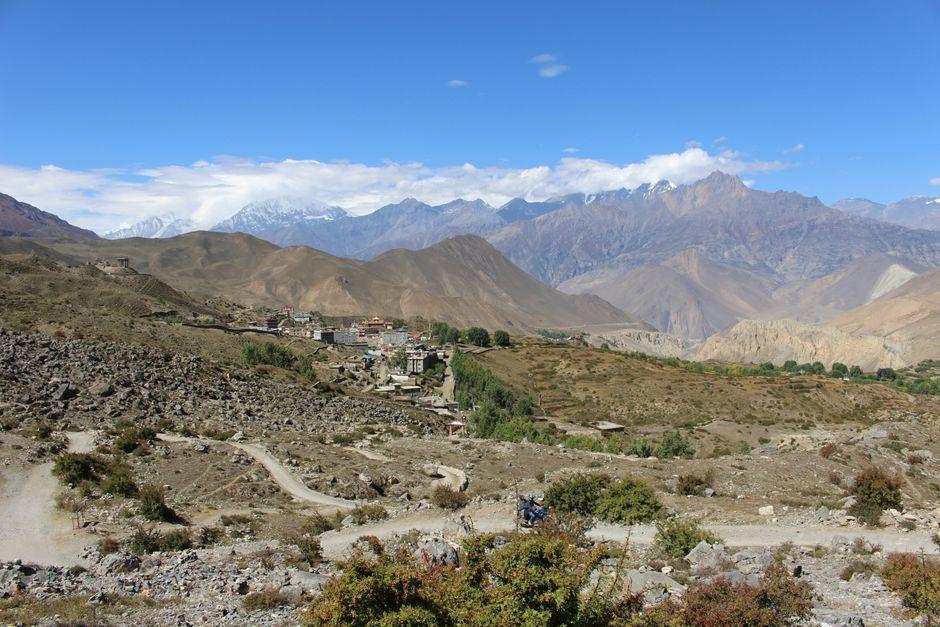
Nestled at a breathtaking altitude of 3,710 meters in Nepal's rugged Mustang district, Muktinath Temple Nepal stands as a sacred convergence of Hindu and Buddhist traditions. It is a place where the earthly and the divine meet, offering pilgrims and travelers alike a chance to seek liberation through the ritual washing under 108 holy water spouts and witnessing the eternal flame of Jwala Devi.
This ancient sanctuary draws thousands of devotees annually, seeking spiritual renewal amid some of the world's most dramatic mountain landscapes. However, reaching this remote Himalayan gem can be daunting and expensive if not planned correctly. This Muktinath Temple Budget Travel Guide is designed to help you navigate the logistics, costs, and cultural nuances of this high-altitude pilgrimage without breaking the bank.
The Spiritual Significance of Muktinath
Muktinath, also known as Mukti Kshetra, is one of the most sacred sites in the Hindu and Buddhist worlds. For Hindus, it is one of the 51 Shakti Peethas, a place where the divine energy of Goddess Shakti is believed to reside. The temple is dedicated to Lord Vishnu and Goddess Mukti (liberation).
For Buddhists, the site is equally significant, often associated with the teachings of Guru Padmasambhava. This unique coexistence of two major religions makes Muktinath a symbol of religious harmony. Whether you are a devout pilgrim or a curious traveler, the energy of this place is palpable, especially when you stand before the 108 water sprouts, where it is believed that bathing in these waters cleanses the soul of all sins.
Essential Travel Information
Best Time to Visit
Because Muktinath is located in the high-altitude Mustang region, weather plays a critical role in your travel plans.
- Spring (March to May): This is arguably the best time. The weather is pleasant, the landscapes are blooming, and the mountain views are often clear. This coincides with the peak pilgrimage season.
- Autumn (September to November): The post-monsoon clarity offers some of the best views of the Annapurna and Dhampus ranges. The air is crisp, though nights can be quite cold.
- Winter (December to February): Many routes to Muktinath become inaccessible due to heavy snow. While some can reach it by flight, the trekking routes are often closed.
- Summer/Monsoon (June to August): Avoid this period if possible. The monsoon rains make trekking trails muddy, landslide-prone, and can lead to flight cancellations.
How to Reach Muktinath
There are three primary ways to reach Muktinath, depending on your budget and physical fitness.
1. The Trekking Route (The Adventurous Way)
For those on a strict budget and seeking a true Himalayan experience, trekking from Jomsom is the most rewarding. The trek usually starts from Pokhara or Kathmandu, followed by a flight or bus to Jomsom. From Jomsom, you can trek through Kagbeni towards Muktinath.
- Duration: 2-4 days from Jomsom.
- Difficulty: Moderate to Strenuous.
- Cost: Low (mostly food and tea house accommodation).
2. The Jomsom Flight (The Efficient Way)
If time and physical stamina are limited, you can take a domestic flight from Pokhara or Kathmandu directly to Jomsom. From Jomsom, you can take a local jeep or drive a short distance to Muktinath.
- Duration: 20-30 minutes flight.
- Difficulty: Easy.
- Cost: Moderate to High (flights can be expensive and are weather-dependent).
3. The Jeep/Bus Route (The Local Way)
You can take a long-distance bus or hire a private jeep from Pokhara or Kathmandu. The road is bumpy and takes a long time, but it is the most budget-friendly motorized option.
Muktinath Temple Budget Travel Guide: Cost-Saving Tips
Traveling to a remote high-altitude region can become expensive quickly. Here is how to keep your costs down:
1. Group Up
Sharing transport (jeeps or local buses) with other travelers is significantly cheaper than booking private vehicles. Look for other travelers in hostels in Pokhara or Kathmandu to split costs.
2. Stay in Tea Houses
Instead of searching for luxury lodges, stick to the local tea houses. They provide basic, warm accommodation and nutritious meals. While you won't have luxury amenities, you will save a significant amount of money and have a much more authentic experience.
3. Eat Locally
Stick to local staples like Dal Bhat (lentil soup and rice), Thukpa (noodle soup), and Momos. Not only are these cheaper than Western-style dishes, but they also provide the necessary calories and nutrition for high-altitude travel.
4. Pack Your Own Snacks and Essentials
In remote areas, the price of imported goods like energy bars, specific brands of chocolate, or toiletries can skyrocket. Pack your basic medications, dried fruits, and hygiene products from Kathmandu or Pokhara to avoid paying a premium in the mountains.
5. Carry a Water Purification System
Buying bottled water repeatedly is expensive and environmentally damaging. Carry a reusable bottle and use purification tablets or a filtration system to make tap/stream water safe to drink.
Essential Packing List
When traveling to Muktinath Temple Nepal, preparation is key. The altitude and unpredictable weather require specific gear.
- Layers are Key: Even in summer, nights can drop below freezing. Bring moisture-wicking base layers, a warm fleece, and a high-quality down jacket.
- Footwear: Sturdy, broken-in waterproof trekking boots are non-negotiable.
- Sun Protection: The UV rays are much stronger at 3,710m. Bring high-SPF sunscreen, lip balm with SPF, sunglasses, and a wide-brimmed hat.
- Medical Kit: Include Diamox (for altitude sickness), rehydration salts, painkillers, antiseptic cream, and bandages.
- Power Bank: Cold temperatures drain battery life quickly. Bring a reliable power bank to keep your phone and camera charged.
Cultural Etiquette and Etiquette at the Temple
Muktinath is a living place of worship. To respect the local traditions, keep the following in mind:
- Dress Modestly: Avoid wearing revealing clothing when entering temple grounds.
- Remove Shoes: Always remove your shoes before entering the inner sanctum of the temple.
- Observe Silence: The temple is a place of meditation and prayer. Avoid loud conversations.
- Respect Rituals: You will see locals performing various rites. Observe from a respectful distance and avoid interfering with sacred ceremonies.
FAQs
Is Muktinath safe for solo travelers?
Yes, Muktinath is generally safe for solo travelers. The trekking routes are well-trodden, and the local communities are very welcoming. However, always inform your hostel or local authorities of your itinerary.
Do I need a permit for Muktinath?
Yes, depending on your route, you may need a TIMS (Trekkers' Information Management Systems) card and an Annapurna Conservation Area Project (ACAP) permit. Ensure you arrange these in Kathmandu or Pokhara before starting your journey.
Can I visit Muktinath without trekking?
Absolutely. You can fly from Pokhara to Jomsom and then take a local jeep to Muktinath. This is much faster but more expensive.
What is altitude sickness?
Altitude sickness (AMS) is a common issue in high-altitude regions. Symptoms include headaches, nausea, and dizziness. If you experience these, descend to a lower altitude immediately.
Final Thoughts
Mukthinath is more than just a destination; it is a transformative experience. While the journey to Muktinath Temple Nepal requires physical effort and preparation, the spiritual reward and the majesty of the Mustang landscape are worth every step. By following this Muktinath Temple Budget Travel Guide, you can embark on this sacred journey with confidence, ensuring your pilgrimage is as rewarding as it is memorable.
Whether you are there to seek spiritual liberation or to witness the sheer grandeur of the Himalayas, Muktinath will leave an indelible mark on your soul.