Discover the magic of the Manaslu Circuit Nepal. Our comprehensive guide covers permits, itineraries, best times to visit, and expert tips for this epic trek.
Manaslu Circuit Trekking & Adventure Guide: The Ultimate High-Altitude Journey
Introduction to the Manaslu Circuit Trekking & Adventure Guide
If you are searching for the ultimate Himalayan adventure, look no further than the Manaslu Circuit Nepal. As the world becomes increasingly crowded with trekkers on the Everest and Annapurna trails, the Manaslu Circuit has emerged as the premier alternative for those seeking solitude, raw natural beauty, and deep cultural immersion.
This comprehensive Manaslu Circuit Trekking & Adventure Guide is designed to take you through the heart of the Mansiri Himal, where the towering presence of Mount Manaslu—the 'Mountain of the Spirit'—dominates the skyline. Unlike more commercialized routes, the Manaslu Circuit offers a rare glimpse into ancient Tibetan-influenced Buddhist culture, remote stone-built villages, and the exhilarating challenge of crossing the high-altitude Larkya La Pass.
Why Choose the Manaslu Circuit Nepal?
Choosing the Manaslu Circuit over other treks in Nepal offers several unique advantages:
- Cultural Authenticity: The region is a melting pot of Tibetan Buddhism and local Himalayan traditions. You will witness mani walls, prayer flags, and monasteries that feel untouched by modern tourism.
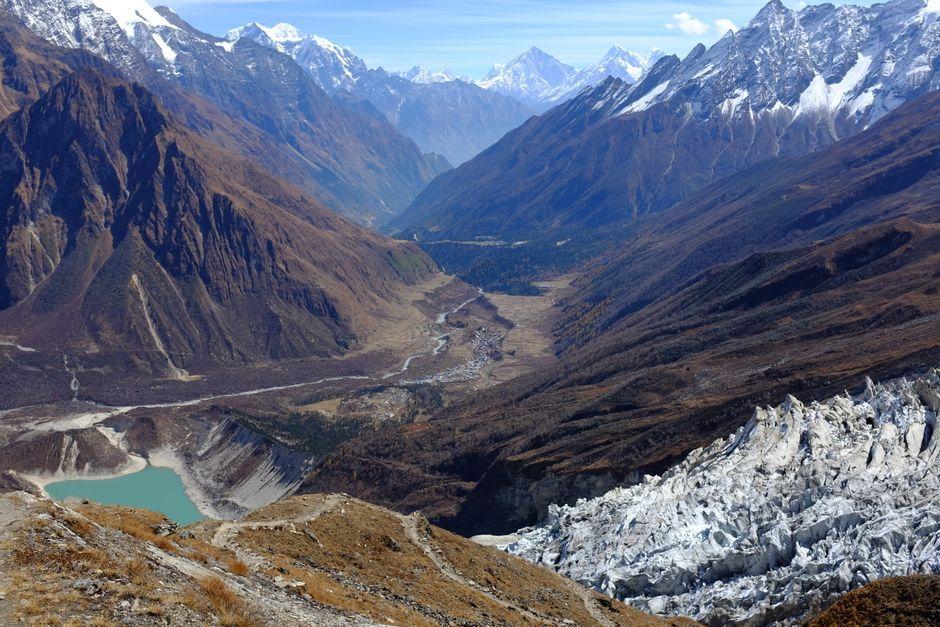
- Diverse Landscapes: The trek transitions from subtropical lowlands and lush rice terraces to high-altitude alpine scrub and dramatic glacier moraines.
- Lesser-Known Paths: You will encounter significantly fewer trekkers than on the Everest Base Camp route, providing a sense of true wilderness.
- The Challenge of Larkya La: Crossing the 5,064m Larkya La Pass provides a profound sense of achievement that only high-altitude trekking can offer.
Essential Logistics: Permits and Regulations
Because the Manaslu region is a restricted area, there are specific legal requirements you must follow. You cannot trek this circuit solo; you must be part of a government-registered trekking agency and accompanied by a licensed guide.
Required Permits:
- Manaslu Restricted Area Permit: This is the primary permit required for the region.
- RAP (Restricted Area Permit): Specific to the Manaslu region.
- MCAP (Manaslu Conservation Area Project) Permit: Required for entering the conservation zone.
- ACAP (Annapurna Conservation Area Project) Permit: Often required as the trek transitions into the Annapurna region.
Note: Always ensure your trekking agency handles these permits in advance, as they require specific documentation and photos.
Best Time to Visit the Manaslu Circuit
Timing is everything when planning your Manaslu Circuit Trekking & Adventure Guide adventure.
Spring (March to May)
This is the most popular season. The temperatures are milder, and the rhododendron forests are in full bloom. However, afternoon clouds can sometimes obscure the mountain views.
Autumn (September to November)
This is widely considered the best time. After the monsoon rains, the air is incredibly clear, offering the sharpest views of Mt. Manaslu and the surrounding peaks. The skies are stable, making it the safest time to attempt the Larkya La Pass.
Winter and Summer
Winter (December to February) is extremely cold and many passes may be blocked by snow. Summer (June to August) coincides with the monsoon, bringing heavy rain and slippery trails.
The Typical Itinerary: A Step-by-Step Journey
While every itinerary varies based on fitness and season, a standard Manaslu Circuit trek typically takes 14 to 18 days.
Phase 1: The Lowlands and River Valleys
Your journey begins with a drive from Kathmandu to Soti Valley or Machha Khola. As you ascend, the temperature rises, and the scenery shifts to dense subtropical forests. You will walk alongside the roaring Budhi Koshi River, passing through small, vibrant villages where local life revolves around agriculture.
Phase 2: The Cultural Heartland
As you climb higher toward Lakar or Samagaon, the landscape shifts dramatically. The trees thin out, replaced by pine and rhododendron. Here, the influence of Tibetan Buddhism becomes palpable. You will visit ancient Gompas (monasteries) and see locals spinning prayer wheels. This phase is crucial for acclimatization.
Phase 3: The High Himalayan Ascent
This is the most demanding part of the Manaslu Circuit Nepal. The trails become steeper and thinner. You will pass through high-altitude settlements like Samdo, where oxygen levels begin to drop significantly. The views of the Ganesh Himal and the massive peaks of the Mansiri Himal become breathtaking.
Phase 4: The Larkya La Pass and Descent
The climax of the trek is the ascent to Larkya La Pass (5,064m). This requires a very early start (often 4:00 AM) and high physical endurance. Once you reach the summit of the pass, the descent toward the Tibetan highlands offers vistas of the glaciers that are nothing short of spiritual.
Essential Travel Tips for Trekkers
- Acclimatization is Key: Never skip the acclimatization days. Altitude sickness (AMS) is a real threat. Listen to your body and stay hydrated.
- Pack Light but Smart: Use high-quality gear. A broken zipper or a leaky boot can ruin a trek. Bring layers, not bulk.
- Hydration and Nutrition: Drink plenty of water (at least 3-4 liters a day). Stick to 'Dal Bhat'—the local lentil stew—as it provides sustained energy and is safe to eat.
- Cash is King: While some lodges have basic setups, you will need sufficient Nepalese Rupees for snacks, hot showers, and charging electronics.
- Hire a Local Guide: Not just for navigation, but for the deep cultural insights that make the Manaslu Circuit Trekking & Adventure Guide truly special.
Packing Checklist
- Clothing: Moisture-wicking base layers, fleece jackets, a heavy down jacket, waterproof trekking trousers, and high-quality hiking boots.
- Gear: Trekking poles, headlamp, sleeping bag (rated to -20°C), and a 30-40L daypack.
- Medical Kit: Diamox (for altitude), Ibuprofen, antiseptic cream, blister pads, and rehydration salts.
- Electronics: Power bank, universal adapter, and extra camera batteries.
Frequently Asked Questions (FAQs)
Is the Manaslu Circuit trek difficult?
Yes, it is physically demanding. It involves long trekking days and high-altitude crossings. It is considered more difficult than the Annapurna Circuit but less demanding than the Everest Base Camp trek in terms of total elevation gain, but the pass is more technical.
Do I need a guide for the Manaslu Circuit?
Yes, due to the restricted area status, the Nepalese government requires all trekkers to be accompanied by a licensed guide and have a minimum of two trekkers in a group.
How much does the Manaslu Circuit trek cost?
The cost varies depending on the duration, season, and level of luxury. Generally, it is more affordable than the Everest region but requires a budget for permits and a professional guide.
Can I trek the Manaslu Circuit solo?
No, the restricted area regulations mandate that you trek with a licensed guide and a registered trekking agency.
Conclusion
The Manaslu Circuit Nepal is more than just a trek; it is a transformative experience. It challenges your physical limits while soothing your spirit with its vast, silent landscapes and sacred traditions. If you seek an adventure that avoids the crowds and offers a genuine connection to the Himalayas, the Manaslu Circuit is waiting for you. Plan carefully, respect the culture, and prepare to be awestruck by the majesty of the Himalayas.