
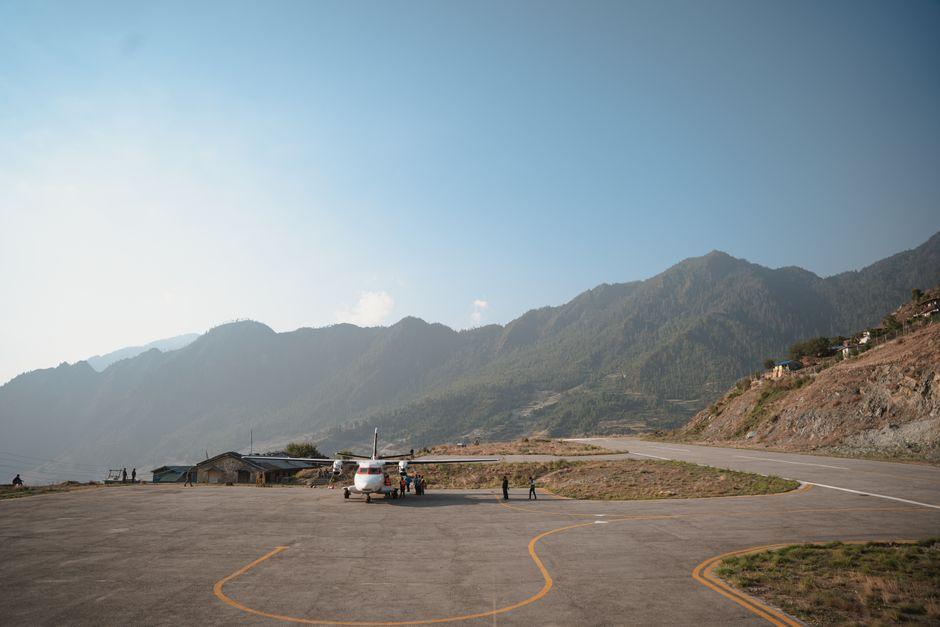
Explore the hidden gem of the Himalayas with our comprehensive Helambu Trekking & Adventure Guide. Discover culture, landscapes, and tips for your trek.
Helambu Trekking & Adventure Guide: A Complete Journey Through Sherpa Heritage
Introduction: Discover the Hidden Gem of the Himalayas
Nestled in the heart of the Himalayas, Helambu, Nepal, is a hidden gem that offers a perfect blend of serene short treks, immersive Sherpa culture, and enchanting forest walks. While many travelers flock to the crowded trails of Everest or Annapurna, Helambu remains a relatively lesser-known destination near the Kathmandu Valley. It captivates travelers with its pristine landscapes, traditional mountain villages, and opportunities to experience authentic Sherpa heritage firsthand.
Whether you seek a budget-friendly adventure, a spiritual retreat through Buddhist monasteries, or a peaceful stroll through dense rhododendron forests, this Helambu Trekking & Adventure Guide is your definitive companion. In this guide, we explore everything you need to know to plan the perfect Himalayan escape.
—
Why Choose Helambu for Your Next Trek?
Choosing Helambu for your trekking adventure offers unique advantages that distinguish it from the more commercialized routes in Nepal.
1. Cultural Immersion: The Sherpa Heartlands
Unlike many treks where the culture feels like a performance for tourists, Helambu is a living, breathing Sherpa community. You will walk through villages like Melamchi Bazzar,y, and Khartar, where prayer flags flutter in the wind and the sound of monastery bells provides a constant rhythmic backdrop to your journey.
2. Proximity to Kathmandu
For travelers with limited time, Helambu is an ideal choice. Located just a short drive from the capital, you can transition from the bustling chaos of Kathmandu to the serene heights of the Langtang region in just a few hours.
3. Diverse Landscapes
The terrain of Helambu is remarkably diverse. One moment you are walking through lush, moist forests, and the next, you are standing in front of majestic, snow-capped peaks. The region is a botanical wonderland, especially during the spring when rhododendrons are in full bloom.
—
Best Time to Visit Helambu, Nepal
Timing is everything when planning a trek in the Himalayas. The weather dictates your comfort and your view of the mountains.
Spring (March to May)
This is arguably the best time for trekkers. The weather is mild, and the forests are alive with colorful blossoms. This is the peak season for flower photography and bird watching.
Autumn (September to November)
After the monsoon rains, the skies clear up, offering the most spectacular, crisp views of the mountain ranges. The air is fresh, making it the prime season for photography and long-distance trekking.
Winter (December to February)
While colder, winter trekking is possible if you are prepared. The crowds are minimal, and the silence of the mountains is profound. However, some high-altitude passes may require caution.
Monsoon (June to August)
We generally recommend avoiding trekking during the monsoon. Heavy rains can make trails slippery and muddy, and clouds can obscure the mountain views that travelers come to see.
—
The Helambu Trek: Route and Itinerary Options
There are several ways to experience the Helambu region, depending on your fitness level and time constraints.
The Classic Helambu Circuit (5-7 Days)
This is the most popular route for those looking for a complete experience.
- Day 1: Kathmandu to Melamchi Bazzar – A scenic drive followed by a gentle trek.
- Day 2: Melamchi Bazzar to Pangsang/Tilorle – Entering the heart of the Sherpa culture.
- Day 3: Tilorle to Kyirni – Higher altitude views and beautiful forest paths.
- Day 4: Kyirni to Thulo Syabru – Ascending towards the higher ridges.
- Day 5: Thulo Syabru to Helambu Valley & Return – Descending through traditional villages.
Short Forest Walk (2-3 Days)
For those looking for a quick getaway, a shorter loop focusing on the forested foothills provides a great introduction to the region's flora and fauna without the high-altitude strain.
—
Essential Travel Advice for Trekkers
Packing List: What to Bring
To ensure a successful trek in Helambu, Nepal, your gear must be functional and lightweight.
- Footwear: Waterproof, broken-in trekking boots are non-negotiable.
- Layers: The temperature drops significantly at night. Bring thermal base layers, a fleece, and a high-quality down jacket.
- Hydration: A reusable water bottle or bladder is essential. Use purification tablets to ensure safe drinking water.
- Navigation: Even on marked trails, carrying a map or a GPS-enabled device is highly recommended.
- Sun Protection: High-altitude sun is intense. Bring SPF 50+ sunscreen, sunglasses, and a hat.
Health and Safety
Altitude Sickness (AMS)
Even in the Helambu region, altitude sickness can occur. The best prevention is ascending slowly and staying hydrated. If you experience persistent headaches, nausea, or dizziness, descend to a lower altitude immediately.
Physical Preparation
While the Helambu trek is considered moderate, you should have a baseline level of cardiovascular fitness. We recommend incorporating hill walking, hiking, or stair climbing into your training routine at least a month before departure.
—
Budgeting for Your Adventure
One of the major draws of Helambu is that it is relatively budget-friendly compared to the Everest Base Camp trek.
- Accommodation: Most trekkers stay in 'teahouses' (local lodges). These are basic but provide warm meals and a bed.
- Food: Expect to pay for most meals. Local staples like Dal Bhat are nutritious and filling.
- Permits: You will need to obtain the Langtang National Park permit and the TIMS (Trekkers' Information Management Systems) card. Always check the current local rates before you depart.
- Guides/Porters: While it is possible to trek solo, hiring a local guide and porter supports the local economy and provides invaluable safety and cultural insight.
—
Cultural Etiquette in Helambu
When visiting Sherpa villages, it is important to respect local traditions and religious practices.
- Stupas and Mani Walls: When walking past Buddhist stupas or Mani walls (stone carvings), always walk to the left of them. This is a sign of respect.
- Photography: Always ask for permission before taking photos of local people, especially during religious ceremonies.
- Dress Code: When entering monasteries, ensure your shoulders and knees are covered.
- Tipping: Tipping is a standard practice in Nepal. If you have a guide or porter, it is customary to tip a fair percentage of the total cost of the trek.
—
FAQs about Helambu Trekking
Q: Is Helambu Trekking suitable for beginners?
A: Yes, Helambu is considered a moderate trek. It is much less strenuous than the Everest or Annapurna treks, making it excellent for beginners or those with limited time.
Q: Do I need a permit for the Helambu trek?
A: Yes, you generally need a permit from the Langtang National Park and the TIMS card. It is best to arrange these through a registered trekking agency.
Q: Can I trek Helambu without a guide?
A: While possible, it is highly recommended to hire a guide, especially if it is your first time in Nepal. Guides help navigate trails and provide deep cultural context.
Q: What kind of food is available on the trek?
A: You will find a mix of local Nepali food (Dal Bhat, Momo) and some international options like pasta or pancakes in the larger tea houses.
—
Expert Travel Tips for a Seamless Journey
- Cash is King: There are no ATMs once you leave the Kathmandu Valley. Carry enough Nepalese Rupees to cover your entire trek.
- Download Offline Maps: Mobile data can be spotty in the mountains. Download your maps on Google Maps or Gaia GPS before you head out.
- Layering is Key: Don't just bring heavy clothes; bring layers. The ability to add or remove clothing is vital as you move between sun and shade.
- Learn Basic Nepali: A simple "Namaste" (Hello) or "Dhanyabaad" (Thank you) goes a long way in building rapport with the locals.
Conclusion
The Helambu Trekking & Adventure Guide highlights a journey that is as much about spiritual discovery as it is about physical achievement. Helambu, Nepal, offers a rare opportunity to step away from the tourist crowds and step into a world of serene mountains, ancient traditions, and breathtaking natural beauty. Whether you are a seasoned mountaineer or a casual hiker looking for a weekend escape, Helambu provides a profound connection to the Himalayan spirit.
Pack your bags, respect the mountains, and prepare to be mesmerized by the magic of the Helambu Valley!