Discover Upper Mustang, Nepal's hidden desert valley with ancient monasteries and vibrant Tiji festival. Essential first-time visitor guide for cultural adve...
First-Time Visitor Guide to Upper Mustang, Nepal
Introduction: The Land of Mysteries
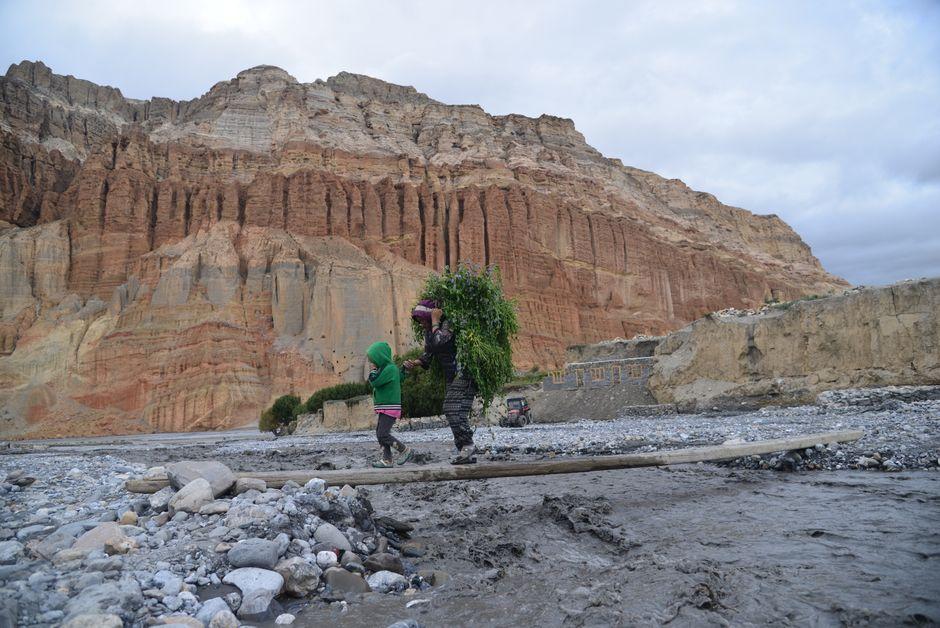
Upper Mustang, often referred to as the "Last Frontier" of Nepal, offers a truly otherworldly experience. Nestled in a rain-shadow valley where the Himalayas shield it from monsoon rains, this region boasts a surreal desert-like landscape, ancient Tibetan-influenced culture, and unique adventures. For first-time visitors, Upper Mustang Nepal promises a blend of spiritual discovery, natural beauty, and unforgettable encounters. This guide will walk you through everything you need to know, from permits to cultural etiquette.
Why Visit Upper Mustang?
Upper Mustang is a UNESCO World Heritage Site, famed for its preserved medieval architecture, including the iconic Lo Manthang fortress. Key highlights include:
- Spiritual Sites: Explore over 150 ancient monasteries, some dating back to the 11th century.
- Tiji Festival: If timed right, witness this vibrant religious festival celebrating Tibetan Buddhist culture.
- Natural Wonders: Trek through arid valleys, dramatic cliffs, and hidden caves like Upper Dirbet Cave.
Best Time to Visit Upper Mustang
The ideal window for first-time travelers is spring (March-May) or autumn (September-November). These shoulder seasons offer clear skies, fewer crowds, and optimal trekking conditions. However, note that the Tiji Festival usually occurs once every three years in October or November, which might influence your visit.
Travel Tips for First-Time Visitors
- Permits Are Mandatory: A special Upper Mustang Permit (NPR 15,000) is required, along with a TIMS Card (NPR 3,500) and Nepal visa. Apply through authorized tour operators in Kathmandu.
- Health and Altitude: Prepare for altitude (3,800–5,400m). Pack layers, hydration supplies, and acclimatization time.
- Local Guides: Hire a certified guide familiar with the region’s nuances.
- Cultural Respect: Dress modestly, especially in monasteries. Avoid photography where prohibited.
- Pack Smart: Include dust-proof gear, sunscreen, and portable water filters.
Cultural Insights
Upper Mustang’s culture is a blend of Tibetan Buddhism and local traditions. Key aspects:
- Monastic Life: Many monasteries are home to monks who follow strict daily rituals.
- Aluwin Culture: The local Ahlu community practices unique burial customs, offering insights into their beliefs.
- Festivals: Even outside Tiji, smaller celebrations like Lhosar (Tibetan New Year) are vibrant.
Adventure Opportunities
Upper Mustang isn’t just about monasteries. Thrill-seekers can:
- Hike to hidden Gete Peak (5,106m) or Chharcho Himal.
- Explore the Kodo Gompa cave, a sacred site.
- Combine with neighboring Annapurna treks for a broader Himalayan experience.
FAQs About Upper Mustang
Q: Can I trek to Upper Mustang without a permit?
A: No. Foreigners must obtain an Upper Mustang Permit issued by Nepal’s Department of Archaeology.
Q: Is Upper Mustang safe for first-timers?
A: Yes, with proper preparation. Stick to guided treks and follow local advice.
Q: What language is spoken?
A: Tibetan and Nepalese languages (Nepali is also understood in villages).
Q: Are accommodations available?
A: Limited to guesthouses in Lo Manthang and nearby lodges in Jomsom.
Q: What food should I expect?
a: Tibetan-influenced cuisine with items like momo, thukpa, and alpua. Carry snacks for treks.
Conclusion
Upper Mustang Nepal is a rare blend of spiritual serenity and adventurous beauty. While it requires meticulous planning—especially permits and acclimatization—first-time visitors find it rewarding. The region’s mystical charm and cultural depth make it a must-visit for those seeking something beyond the typical Nepal experience.
Travel Tips Recap
- Apply permits and TIMS well in advance.
- Prioritize health and hydration.
- Respect local customs to ensure a smooth journey.