Discover the magic of Solukhumbhu (Everest Region) Nepal with our comprehensive First-Time Visitor Guide. Learn about trekking routes, seasonal timing, cultu...
First-Time Visitor Guide to Solukhumbhu (Everest Region) Nepal
Introduction: Discovering the Heart of the Himalayas
Nestled in the eastern mountains of Nepal lies Solukhumbhu (Everest Region), a breathtaking landscape that has captivated adventurers, photographers, and culture enthusiasts alike. Often referred to as the "Himalayan Gateway," this region offers an unparalleled blend of towering peaks, pristine ecosystems, and rich Sherpa heritage. For anyone planning their first expedition into the world’s highest mountain territory, Solukhumbhu (Everest Region) Nepal stands out as the premier destination. From the vibrant streets of Namche Bazaar to the serene shores of Sokhi Khap, every corner reveals a new wonder.
This comprehensive guide is designed specifically for the First-Time Visitor Guide to Solukhumbhu (Everest Region). Whether you're dreaming of standing on the foot of Mount Everest or simply seeking a transformative cultural immersion, this article will equip you with all the essential knowledge you need to plan your journey successfully. We'll explore trekking routes, seasonal considerations, practical logistics, cultural etiquette, and more—ensuring your adventure is both safe and unforgettable.
What Makes Solukhumbhu (Everest Region) Special?
Geographic Significance
The Solukhumbhu region encompasses approximately 8,000 square kilometers of rugged terrain, home to the world’s highest peak—Mount Everest (8,848 meters)—and its surrounding glaciers, valleys, and sacred monasteries. This UNESCO World Heritage site is part of the larger Kathmandu Valley region but maintains distinct cultural identity due to its proximity to the Tibetan plateau.
Unique Attractions
- Mount Everest: The crowning glory of the Himalayas, offering unmatched views from base camp to summit.
- Sagarmatha National Park: A protected area encompassing the entire Everest massif, known for its biodiversity and conservation efforts.
- Namche Bazaar: The bustling heart of the region, famous for its colorful market, local shops, and homestays.
- Tengboche Monastery: Perched at 3,780 meters, this ancient Buddhist monastery provides spiritual solace and stunning panoramic vistas.
- Rongbuk Glacier: One of the most accessible glacier systems in the world, ideal for ice climbing and mountaineering training.
Must-Do Activities in Solukhumbhu (Everest Region) Nepal
1. Trek to Everest Base Camp (EBC)
The classic EBC trek spans approximately 15–16 days and remains one of the most sought-after adventures in the world. Along the way, trekkers encounter diverse landscapes—from lush rhododendron forests to high-altitude passes like the Khumbu Icefall. The journey culminates at 5,364 meters, where the view of Mount Everest dominates the horizon.
2. Explore Namche Bazaar
Known as the "Little Venice" of the Himalayas, Namche Bazaar serves as a gateway to the high country. Here, you can shop for traditional Sherpa clothing, sample authentic Nepali cuisine, and interact with locals who have lived in harmony with the mountains for generations.
3. Visit Tengboche Monastery
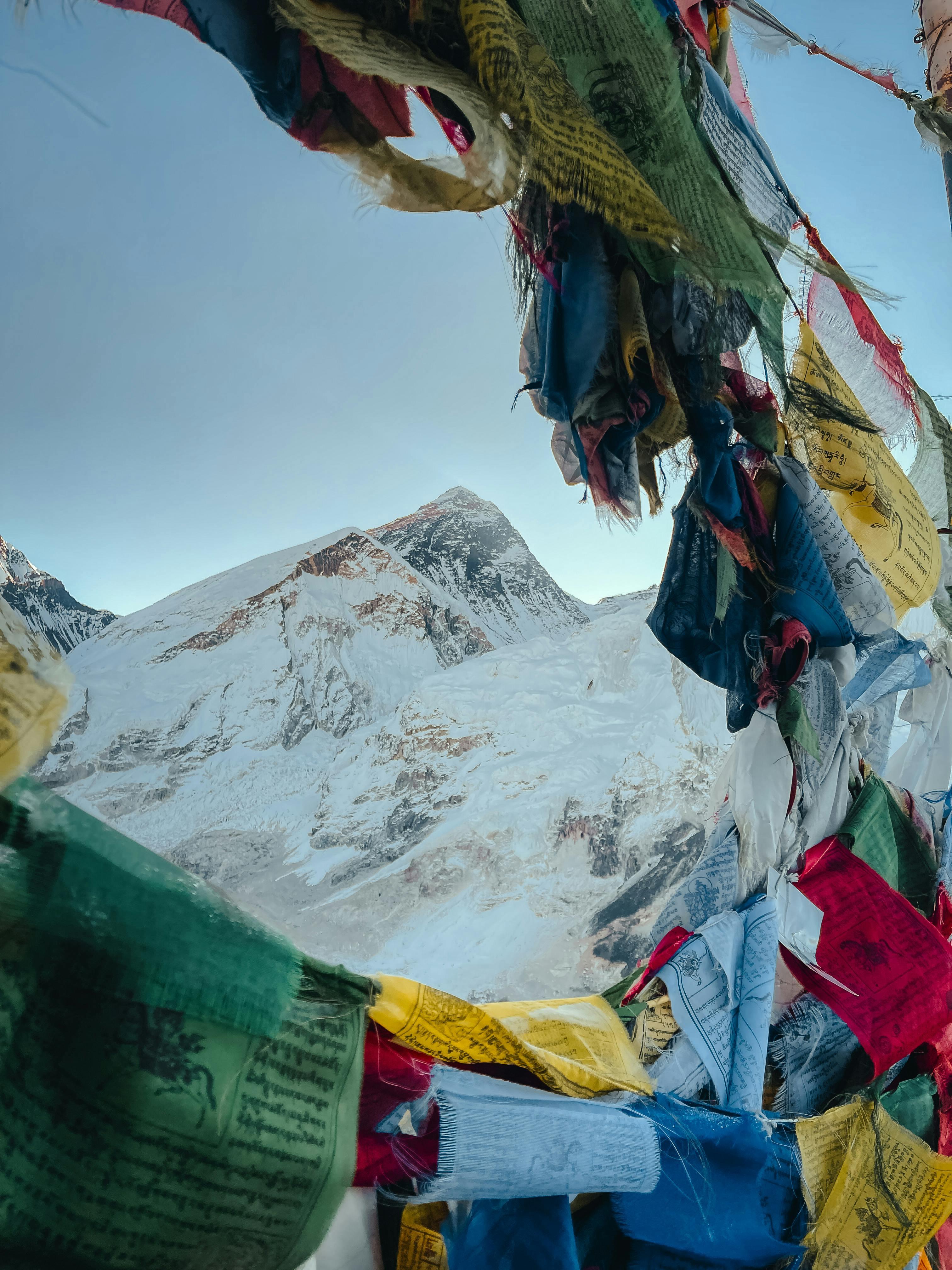
Dedicated to the goddess of wealth and prosperity, Tengboche offers meditation sessions, prayer flags, and a glimpse into monastic life. The monastery's golden statue of Om Mani Lhamo draws pilgrims from across the globe.
4. Experience a Sherpa Homestay
Staying with a local family provides intimate insight into Sherpa culture. Many homestays offer traditional meals, stories of survival at altitude, and opportunities to learn basic Nepali phrases.
5. Hike to Raki Bum Peak
At 5,340 meters, Raki Bum (also called Machapuchhari) is often called the "Fisherman’s Wall" due to its sheer cliffs. Its flat summit offers a dramatic perspective of the surrounding peaks.
Best Time to Visit Solukhumbhu (Everest Region) Nepal
Timing your trip correctly ensures optimal weather conditions and wildlife viewing opportunities:
| Season | Months | Conditions & Highlights |
|---|---|---|
| Spring | March – May | Mild temperatures (5°C–20°C), blooming rhododendrons, and clear skies. Ideal for early treks. |
| Summer | June – August | Warmest period (15°C–25°C), longest daylight hours, and best visibility for Everest views. Peak tourist season. |
| Autumn | September – November | Crisp air, fewer crowds, and vibrant foliage. Good for photography and hiking. |
| Winter | December – February | Cold temperatures (below freezing at higher altitudes), snow-covered landscapes, and quieter trails. Limited access to some high-altitude camps. |
For first-time visitors, June to August is generally recommended as the sweet spot balancing pleasant weather, manageable trekking conditions, and abundant wildlife sightings including Himalayan tahr and red pandas.
Practical Information for Your Trip
Getting There
Most international travelers arrive in Kathmandu, which serves as the main entry point. From there, you can take a domestic flight to Lukla (approx. 1 hour) or drive through the scenic Jomsom pass (a challenging 12-hour journey).
Trekking Permits and Fees
To enter the Sagarmatha National Park, you must obtain two mandatory permits:
- Trekking Permit – Issued by the Nepal Tourism Board (NTB) after booking through a licensed operator.
- Annapurna Conservation Area Permit – Required for certain routes; included in many packages.
These fees vary by season and permit type, typically ranging from $30–$100 per person.
Accommodation Options
- Luxury: Eco-lodges and resorts with hot tubs and gourmet dining (e.g., Tenzing Hotel, Everest Base Camp Resort).
- Mid-range: Family-run guesthouses with comfortable beds and communal kitchens.
- Budget: Basic teahouses along the trail, perfect for solo trekkers on a tight budget.
Essential Gear Checklist
While operators provide most equipment, self-sufficient trekkers should pack:
- Layered clothing (base layer, fleece, waterproof shell)
- Sturdy hiking boots (broken-in before departure)
- Sun protection (sunglasses, sunscreen, hat)
- Altitude sickness medication (acetazolamide)
- Reusable water bottle and purification tablets
- Headlamp with extra batteries
Cultural Etiquette and Respectful Travel
Understanding local customs enhances your experience and shows respect for the community:
- Dress Modestly: Shoulders and knees should be covered when visiting temples or monasteries.
- Remove Shoes: At religious sites, take off shoes before entering.
- Ask Before Photographing: Some Sherpas prefer not to be photographed without permission.
- Learn Basic Phrases: Words like "Namaste" (hello/bow) and "Dhanyabad" (thank you) go a long way.
- Support Local Economy: Buy handicrafts directly from artisans rather than souvenir shops.
Safety and Health Considerations
Altitude-related illnesses remain the primary health risk in the high Himalayas. To mitigate risks:
- Ascend gradually and allow adequate acclimatization time.
- Stay hydrated and avoid alcohol during the initial weeks.
- Carry a personal first-aid kit and know how to use it.
- Monitor your body closely; symptoms of acute mountain sickness (AMS) include headache, nausea, and dizziness.
- If severe AMS occurs, descend immediately and seek medical help.
FAQs
Q1: How long does the EBC trek take?
A: The standard route takes 15–16 days, allowing sufficient time for acclimatization while enjoying diverse scenery.
Q2: Can I do the trek alone?
A: Yes, solo trekking is popular and recommended for those comfortable with independent decision-making. However, joining a small group can enhance safety and social experiences.
Q3: What is the cost of a typical EBC trek?
A: Budget treks range from $400–$600 USD, covering accommodation, food, permits, and guide services. Luxury options start around $800–$1,200.
Q4: Are vaccinations required for Nepal?
A: No specific vaccines are mandated, but hepatitis A and typhoid are recommended for areas with limited sanitation. Yellow fever vaccination is not required unless arriving from an endemic country.
Q5: What is the best place to buy trekking gear?
A: Major cities like Kathmandu and Pokhara have numerous outdoor retailers. In Solukhumbhu itself, local markets sell affordable essentials, though quality may vary.
Q6: Is it safe to hike alone above 5,500 meters?
A: While experienced solo hikers succeed regularly, many recommend hiring a guide for the final push to Everest Base Camp to ensure safety and support.
Q7: Where can I find reliable trekking operators?
A: Look for operators registered with the Nepal Tourism Board and read recent reviews on platforms like TripAdvisor or Lonely Planet. Reputable companies provide insurance and emergency protocols.
Q8: What should I eat on the trek?
A: Most lodges serve traditional Nepali dishes such as dal bhat (spiced lentil soup with rice), momos (dumplings), and butter tea. Pack energy bars and dried fruits for quick snacks.
Q9: How do I handle altitude sickness?
A: Descend to lower elevations, stay well-hydrated, and consider taking acetazolamide. Avoid strenuous activity until symptoms improve.
Q10: Is it possible to extend the trek beyond Everest Base Camp?
A: Yes! You can continue to Dharband, Lachul, and even attempt the summit of Mount Kanchen (7,553m) via the North Face route.
Travel Tips for First-Time Visitors
- Book Early: Popular trekking seasons fill up months in advance. Secure your permit and operator well ahead.
- Acclimatize Properly: Follow the "climb high, sleep low" principle. Take rest days between ascending segments.
- Carry Cash: Remote areas have limited ATM facilities; carry Nepais and Indian rupees for small purchases.
- Respect Nature: Stick to marked trails, leave no trace, and never litter near glacial streams.
- Stay Flexible: Weather in the Himalayas is unpredictable. Be prepared to alter plans based on conditions.
- Connect Locally: Learn to use basic English phrases and engage with guides who can share insider knowledge.
- Pack Light but Smart: Every gram counts on multi-day treks. Prioritize comfort and functionality over luxury.
Conclusion: Embarking on Your Journey
Solukhumbhu (Everest Region) Nepal offers an extraordinary opportunity to witness nature at its most majestic and immerse yourself in a living culture that has thrived for centuries. As a first-time visitor, you might feel overwhelmed by the scale of what lies ahead—but remember that preparation, patience, and respect for the environment will transform your adventure into something truly memorable.
Whether you choose to stand beneath the shadow of Mount Everest or simply savor the warmth of a Sherpa family's home, the spirit of the Himalayas will leave an indelible mark on your soul. Plan wisely, travel responsibly, and prepare to be inspired by one of Earth's most awe-inspiring destinations.
Ready to begin your journey? Start researching operators, book your permits, and let the call of the Himalayas guide you toward unforgettable memories.