Discover Mustang, Nepal: permits, trekking routes, culture, and tips for first‑time visitors to the Forbidden Kingdom.
First-Time Visitor Guide to Mustang
Nestled in the rain-shadow of the Himalayas, Mustang—often dubbed the Forbidden Kingdom—offers a surreal blend of stark desert‑like terrain, ancient Tibetan culture, and living monasteries that seem frozen in time. For first‑time visitors, the region promises adventure, spirituality, and a deep connection with a way of life that has endured centuries of isolation. This guide walks you through everything you need to know: how to reach Mustang, when to go, what permits are required, where to stay, what to eat, and the must‑see sights that make this corner of Nepal unforgettable.
Overview of Mustang
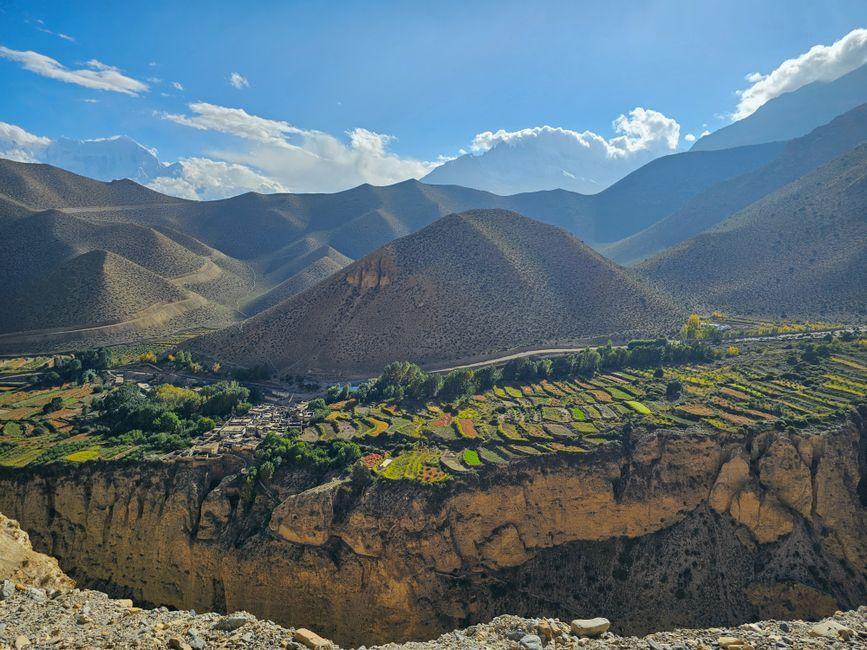
Mustang is divided into two main parts: Lower Mustang, which is accessible by road and includes the famous Kali Gandaki valley and the pilgrimage site of Muktinath, and Upper Mustang, a restricted area that preserves the medieval kingdom of Lo Manang. The landscape shifts from verdant river valleys to arid, wind‑carved cliffs reminiscent of the Tibetan plateau. Because of its unique geography, Mustang experiences a cold desert climate with scant precipitation, making it a year‑round destination for trekkers and culture enthusiasts.
Getting There
By Air
The fastest way to reach Mustang is to fly from Kathmandu to Pokhara (approximately 25 minutes) and then take a unique geography, Mustang experiences a cold desert climate with scant precipitation, making it a year‑round destination for trekkers and culture enthusiasts.
Getting There
By Air
The fastest way to reach Mustang is to fly from Kathmandu to Pokhara (approximately 25 minutes) and then take a short flight from Pokhara to Jomsom (about 20 minutes). Jomsom serves as the gateway to both Lower and Upper Mustang. Flights operate daily, weather permitting, and offer stunning aerial views of the Annapurna and Dhaulagiri ranges.
By Road
For those who prefer an overland adventure, a jeep ride from Pokhara to Jomsom via the Beni‑Baglung route takes roughly 8‑10 hours. The road follows the Kali Gandaki River, passing through charming villages such as Tatopani (known for its hot springs) and Ghasa. While the journey is long, it provides an opportunity to witness the gradual change in scenery from lush hills to the stark desert of Mustang.
From Jomsom to Lo Manang
From Jomsom, the classic route to Lo Manang is a 4‑day trek that traverses high mountain passes, ancient caves, and traditional Tibetan settlements. Alternatively, a seasonal jeep track now connects Jomsom to Lo Manang, reducing travel time to about 6‑7 hours, though road conditions can be rough and are subject to seasonal closures.
Best Time to Visit
Mustang’s climate is characterized by cold winters and mild summers. The optimal trekking window is from late March to early November, with the peak months being April‑May and September‑October. During these periods, daytime temperatures in Lo Manang range from 10°C to 20°C, while nights can drop below freezing. Winter (December‑February) brings heavy snowfall that can block trails, making travel challenging but rewarding for those seeking solitude and pristine snowscapes. The monsoon season (June‑August) affects lower regions less due to the rain‑shadow effect, but occasional showers can make roads slippery.
Permits and Regulations
Visiting Upper Mustang requires a special permit issued by the Department of Immigration in Kathmandu. As of 2024, the fee is USD 500 for the first ten days and USD 50 for each additional day. The permit must be arranged through a registered trekking agency, which will also provide a licensed guide. Lower Mustang does not require a special permit, but a standard TIMS (Trekkers' Information Management System) card and Annapurna Conservation Area Permit (ACAP) are necessary for trekking in the Kali Gandaki valley.
Accommodation Options
Lower Mustang
In Jomsom, you will find a range of guesthouses, lodges, and small hotels offering basic amenities such as hot showers, Wi‑Fi, and meals featuring dal bhat, momo, and Tibetan bread. Popular choices include Hotel Mustang Eco Resort and Gurung Guesthouse. In Kagbeni, the ancient fortified village, traditional stone houses have been converted into cozy lodges that provide an authentic atmosphere.
Upper Mustang
Accommodation in Lo Manang and surrounding villages is more rustic. Guesthouses are typically family‑run, offering simple rooms with shared bathrooms, heated by yak dung stoves (bukhari). Meals are hearty, consisting of tsampa (roasted barley flour), thukpa (noodle soup), and butter tea. Booking in advance through your trekking agency is highly recommended, especially during the peak season.
Food and Drink
Mustang’s cuisine reflects its Tibetan heritage. Staples include:
- Dal Bhat – lentil soup with rice, served with vegetable curry and pickle.
- Momo – steamed or fried dumplings filled with meat or vegetables.
- Thukpa – noodle soup with vegetables or meat, perfect for cold evenings.
- Tsampa – roasted barley flour mixed with tea or butter, a high‑energy snack.
- Butter Tea (Suja) – salty tea made with yak butter, a traditional remedy for altitude.
Alcohol options are limited; locally brewed chang (barley beer) and raksi (distilled spirit) are available in some guesthouses. Always drink bottled or treated water to avoid water‑borne illnesses.
Cultural Highlights
Lo Manang
The walled city of Lo Manang sits at an altitude of 3,800 meters and is the cultural heart of Upper Mustang. Its narrow alleys are lined with whitewashed houses, mud brick walls, and intricate wood carvings. Key attractions include:
- The King’s Palace – a restored royal residence offering panoramic views of the valley.
- Jampa Lhakhang – one of the oldest monasteries, housing ancient statues and thangka paintings.
- Choedhe Monastery – known for its vibrant murals depicting Buddhist teachings.
- Tiji Festival – held annually in May, this three‑day ritual reenacts the victory of good over evil through masked dances and music.
Muktinath
Located at 3,710 meters in Lower Mustang, Muktinath is a sacred site for both Hindus and Buddhists. The temple complex features 108 water spouts, a natural gas flame that burns continuously, and the iconic Vishnu temple. Pilgrims believe that bathing in the spouts liberates them from the cycle of rebirth.
Kali Gandaki Gorge
The world’s deepest gorge, carved by the Kali Gandaki River, lies between the Annapurna and Dhaulagiri massifs. Trekking along its banks offers dramatic vistas of towering peaks, rocky cliffs, and colorful prayer flags fluttering in the wind.
Ancient Caves
Upper Mustang is dotted with centuries‑old caves, some of which contain pre‑Buddhist artifacts and ancient murals. Notable caves include the Chungsi Cave and the Nyiphuk Cave, both accessible via short side treks from Lo Manang.
Trekking Routes
Classic Upper Mustang Trek
- Duration: 10‑12 days (including acclimatization)
- Highlights: Jomsom → Kagbeni → Chele → Syangboche → Ghami → Tsarang → Lo Manang → return via the same route.
- Difficulty: Moderate; requires good fitness and acclimatization to altitude above 3,500 m.
Lower Mustang Trek (Jomsom to Muktinath)
- Duration: 4‑5 days
- Highlights: Jomsom → Kagbeni → Muktinath → return to Jomsom via the same trail or continue to Tatopani for hot springs.
- Difficulty: Easy to moderate, suitable for beginners.
Alternative Routes
- Via the Kali Gandaki Valley: A longer trek that connects Pokhara to Jomsom through the scenic river valley, ideal for those wanting a gradual ascent.
- Via the Saribung Peak: For experienced climbers, a technical ascent that combines trekking with high‑altitude mountaineering.
Travel Tips
- Acclimatization: Spend at least two nights in Jomsom (2,700 m) before heading higher to reduce the risk of altitude sickness.
- Dress in Layers: Temperatures can swing dramatically; pack insulated jackets, fleece, gloves, and a warm hat.
- Sun Protection: The high altitude and reflective snow increase UV exposure; use sunscreen (SPF 50+), sunglasses, and a wide‑brimmed hat.
- Cash is King: ATMs are scarce beyond Jomsom; carry enough Nepalese rupees for meals, permits, and tips.
- Respect Local Customs: Dress modestly when visiting monasteries, remove shoes before entering prayer halls, and ask permission before photographing people.
- Hydration: Drink plenty of water or herbal tea to stay hydrated; avoid alcohol at high altitudes.
- Travel Insurance: Ensure your policy covers high‑altitude trekking and emergency evacuation.
- Environmental Responsibility: Carry a reusable water bottle, avoid single‑use plastics, and follow Leave No Trace principles.
Frequently Asked Questions (FAQs)
Q1: Do I need a visa to enter Nepal?
A: Most nationalities obtain a tourist visa on arrival at Tribhuvan International Airport or at land border crossings. Check the latest requirements on the Department of Immigration website.
Q2: Is it safe to travel to Mustang alone?
A: While Mustang is generally safe, trekking solo in Upper Mustang is not permitted without a guide and permit. Joining a reputable agency ensures safety and logistical support.
Q3: What is the altitude of Lo Manang?
A: Lo Manang sits at approximately 3,800 meters (12,467 feet) above sea level.
Q4: Can I use credit cards in Mustang?
A: Credit card acceptance is limited to larger hotels in Jomsom and Pokhara. It is advisable to carry cash for most transactions.
Q5: Are there any health facilities in Upper Mustang?
A: Basic health posts exist in Lo Manang and larger villages, but for serious medical issues, evacuation to Pokhara or Kathmandu may be necessary. Ensure you have insurance that covers helicopter rescue.
Q6: What language is spoken in Mustang?
A: The primary language is Ladakhi/Tibetan dialect, but Nepali is widely understood, especially in tourist areas. English is spoken by guides and hotel staff.
Q7: Is there mobile network coverage?
A: Coverage is sporadic; NTC and Ncell have limited service in Jomsom and Kagbeni, but expect little to no signal in Upper Manang. Consider purchasing a local SIM with data plan for lower regions.
Q8: What should I pack for the trek?
A: Essential items include a good quality backpack, sleeping bag rated to -10°C, trekking poles, sturdy boots, headlamp, water purification tablets, personal medication, and a camera with extra batteries.
Conclusion
Mustang offers a rare opportunity to step into a world where time seems to have paused amidst towering Himalayan peaks and endless desert plains. From the spiritual aura of Muktinath to the timeless streets of Lo Manang, every corner of this region tells a story of resilience, faith, and breathtaking beauty. By planning ahead—securing permits, acclimatizing properly, respecting local customs, and packing wisely—first‑time visitors can unlock the full magic of Mustang while traveling safely and responsibly. Whether you seek adventure on the high trails, serenity in ancient monasteries, or simply the awe of standing in one of the planet’s most remote landscapes, Mustang promises an unforgettable journey that will linger in your memory long after you leave its windswept valleys.
—
Ready to explore the Forbidden Kingdom? Start arranging your permit, book your flight to Jomsom, and prepare for an adventure that will challenge your body, enrich your spirit, and leave you with stories worth sharing for a lifetime.