
Discover the magic of Kathmandu, Nepal! Our comprehensive first-time visitor guide covers UNESCO sites, local food, Thamel shopping, and essential travel tips.
First-Time Visitor Guide to Kathmandu: The Heart of the Himalayas
Welcome to Kathmandu, a city where the ancient and the modern collide in a symphony of incense, ringing temple bells, and bustling street markets. For many, Kathmandu, Nepal is the gateway to the Himalayas, but for the curious traveler, the city itself is a destination of profound depth. From the gold-plated pagodas of the royal squares to the serene atmosphere of the Boudhanath Stupa, this city offers a spiritual and sensory experience unlike any other on earth.
Whether you are here to trek to Everest or simply to soak in the culture, this First-Time Visitor Guide to Kathmandu will help you navigate the chaotic charm of the capital with ease.
—
🏛️ Exploring the UNESCO World Heritage Sites
Kathmandu is unique because its urban center is densely packed with UNESCO World Heritage sites. To understand the city, you must visit these key landmarks.
1. Kathmandu Durbar Square
Located in the heart of the old city, this square was the residence of the ancient kings. You will find a stunning collection of Newari architecture, intricate wood carvings, and the living goddess, the Kumari. Don't miss the Taleju Temple, one of the most significant shrines in the city.
2. Patan Durbar Square
Often called 'Lalitpur' (City of Beauty), Patan is a masterpiece of art and architecture. The square is smaller than Kathmandu's but more refined. Visit the Patan Museum, widely regarded as one of the best museums in South Asia, to learn about the Bronze Age and the Newari civilization.
3. Bhaktapur Durbar Square
Bhaktapur is a living museum. It is a pedestrian-only zone where you can see traditional potters at work and admire the 55-Window Palace. The atmosphere here is slower, and the architecture is some of the best-preserved in the valley.
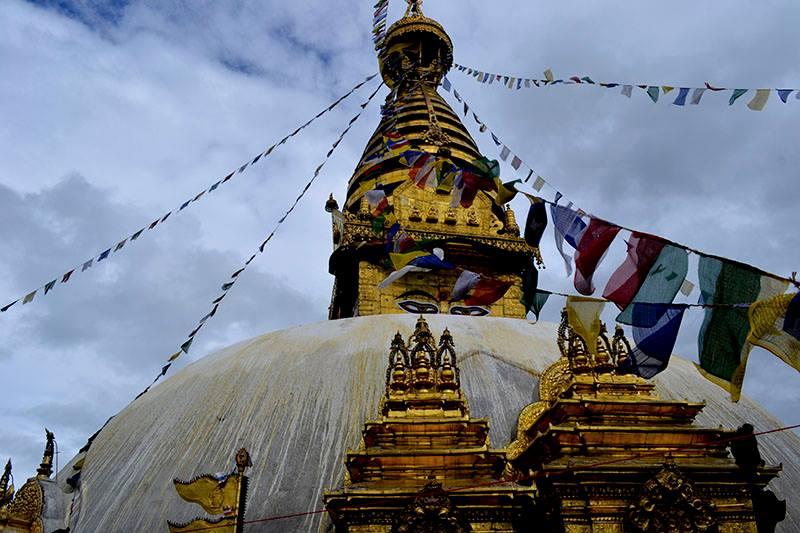
4. Swayambhunath (The Monkey Temple)
Perched on a hill overlooking the city, Swayambhunath is one of the oldest stupas in Nepal. The climb up the steep stairs is rewarded with a panoramic view of the Kathmandu Valley and the chance to see hundreds of playful (and sometimes mischievous) monkeys.
5. Boudhanath Stupa
One of the largest spherical stupas in the world, Boudhanath is the center of Tibetan Buddhism in Nepal. Walking clockwise around the stupa alongside monks and pilgrims in a meditative state is a quintessential Kathmandu experience.
—
🍜 Culinary Delights: What to Eat in Kathmandu
Nepalese cuisine is a delicious blend of Tibetan, Indian, and Newari influences. No trip to Kathmandu is complete without trying these staples:
- Momo: The unofficial national dish. These steamed or fried dumplings filled with meat or vegetables are served with a spicy tomato chutney.
- Dal Bhat: The staple meal of Nepal (lentil soup, rice, and vegetable curry). As the locals say, "Dal Bhat Power, 24 Hour!"
- Newari Khaja Set: A traditional platter from the Newar community, featuring beaten rice (chiura), spicy roasted meat (choila), and black soy beans.
- Nepali Tea & Coffee: Enjoy a cup of milk tea (chia) or world-class organic Himalayan coffee from local roasters.
—
🛍️ Shopping and Souvenirs in Thamel
If you are looking for gear, art, or gifts, Thamel is the place to be. This labyrinth of narrow alleys is the tourist hub of the city.
What to buy:
- Cashmere and Pashmina: High-quality shawls and scarves.
- Singing Bowls: Traditional Tibetan bowls used for meditation.
- Thangka Paintings: Intricate religious scrolls depicting Buddhist deities.
- Trekking Gear: If you forgot your boots or sleeping bag, Thamel has every brand imaginable, both original and replica.
Pro Tip: Bargaining is expected in Thamel. Always politely negotiate the price before making a purchase.
—
💡 Essential Travel Advice for First-Timers
Getting Around
- Ride-Sharing: Download apps like Pathao or Indriver. They are the most reliable way to get fair pricing for bike taxis and cars.
- Taxis: Always negotiate the fare before getting in, as many taxis do not use meters.
- Walking: The best way to explore the old cities (Patan, Bhaktapur) is on foot.
Health and Safety
- Water Safety: Never drink tap water. Stick to bottled water or use a portable water filter (like a LifeStraw).
- Pollution: Kathmandu can be dusty and smoggy. If you have respiratory issues, carrying a mask is recommended.
- Respect Culture: Dress modestly when visiting temples (cover shoulders and knees). Always remove your shoes before entering a shrine.
Best Time to Visit
- Autumn (September to November): The peak season. The skies are clear, and the weather is perfect for sightseeing and trekking.
- Spring (March to May): Great for flower blooms (rhododendrons) and pleasant temperatures.
- Monsoon (June to August): Expect heavy rain, but the city is lush and green, and crowds are thinner.
—
❓ Frequently Asked Questions (FAQs)
Q: Do I need a visa to visit Kathmandu?
A: Most nationalities can obtain a Visa on Arrival at Tribhuvan International Airport. Be sure to bring passport-sized photos and USD cash.
Q: Is Kathmandu safe for solo female travelers?
A: Yes, Kathmandu is generally safe. However, as with any big city, stay aware of your surroundings and avoid walking in deserted alleys late at night.
Q: What is the currency, and can I use cards?
A: The currency is the Nepalese Rupee (NPR). While hotels and upscale restaurants accept credit cards, most shops and taxis are cash-only.
Q: How many days should I spend in Kathmandu?
A: For a first-timer, 3 to 5 days is ideal to cover the main UNESCO sites and enjoy the local food scene.
—
🏁 Conclusion
Kathmandu is more than just a stopover; it is a city that breathes history and spirituality. From the rhythmic chanting at Boudhanath to the vibrant chaos of Thamel, the city challenges your senses and opens your heart. By following this First-Time Visitor Guide to Kathmandu, you are now ready to step into the magic of Kathmandu, Nepal. Pack your curiosity, wear comfortable shoes, and prepare to be enchanted by the land of the Himalayas.
Safe travels! (Shubha Yatra!)