Your complete first‑time visitor guide to Everest Base Camp: itinerary, permits, gear, altitude tips, Sherpa culture, and FAQs for a safe, unforgettable Hima...
First-Time Visitor Guide to Everest Base Camp
Introduction
Discover the ultimate mount Everest trekking experience in the majestic Himalayas. Everest Base Camp, nestled at 5,364 meters in Nepal's Sagarmatha National Park, offers breathtaking views of the world's highest peak and traditional Sherpa culture. This legendary journey through the Himalayas promises an unforgettable adventure for trekkers seeking both natural wonder and spiritual enlightenment.
Why Trek to Everest Base Camp?
Trekking to Everest Base Camp (EBC) is more than a physical challenge; it is a cultural immersion. Along the trail you pass through picturesque Sherpa villages, ancient monasteries, and fluttering prayer flags. The panorama of snow‑capped giants—including Ama Dablam, Lhotse, Nuptse, and of course Everest itself—provides constant motivation. For first‑time visitors, the trek offers a manageable altitude gain with well‑established teahouse infrastructure, making it accessible while still delivering the thrill of high‑altitude trekking.
Best Time to Go
The optimal windows for an EBC trek are pre‑monsoon (late March to early May) and post‑monsoon (late September to early November). During these periods the weather is relatively stable, skies are clear, and temperatures are moderate. Winter (December‑February) brings heavy snow and extreme cold, while the monsoon (June‑August) obscures views with clouds and makes trails slippery.
Preparing for the Trek
Fitness Requirements
A good baseline of cardiovascular fitness is essential. Aim for regular aerobic activity—running, cycling, or brisk walking—at least three times a week for 30‑45 minutes. Incorporate strength training for legs and core, and practice hiking with a loaded backpack (10‑15 kg) on local trails to simulate trekking conditions.
Gear Checklist
- Backpack: 30‑45 liter daypack with rain cover
- Footwear: Sturdy, broken‑in trekking boots; lightweight camp shoes or sandals for evenings
- Clothing: Moisture‑wicking base layers, insulating fleece or down jacket, waterproof shell, trekking pants, shorts, warm hat, gloves, buff
- Sleeping: Four‑season sleeping bag (rated to -10°C) or rely on teahouse blankets plus liner
- Accessories: Headlamp with extra batteries, sunglasses (UV protection), sunscreen (SPF 50+), lip balm, trekking poles, water purification tablets or filter, first‑aid kit, personal medications
Permits and Documentation
- TIMS Card (Trekkers’ Information Management System) – obtainable in Kathmandu or Pokhara
- Sagarmatha National Park Permit – required for entry into the park
- Pasang Lhamu Rural Municipality Entrance Permit – needed for the Khumbu region
All permits can be arranged through a trekking agency or purchased at the Nepal Tourism Board offices. Keep copies of your passport, visa, and insurance details handy.
Acclimatization Strategy
Altitude sickness is the primary risk. Follow the "climb high, sleep low" principle, schedule rest days at Namche Bazaar (3,440 m) and Dingboche (4,410 m), and ascend no more than 300‑500 m per day after 3,000 m. Stay hydrated, avoid alcohol, and consider prophylactic medication (e.g., acetazolamide) after consulting a doctor.
Detailed Itinerary (12‑Day Classic Trek)
Day 1 – Arrival in Kathmandu (1,400 m)
Arrive at Tribhuvan International Airport, transfer to hotel, briefing, gear check.
Day 2 – Flight to Lukla (2,860 m) & Trek to Phakding (2,610 m)
Early morning flight to Lukla (30‑minute scenic flight). Begin trek downstream to Phakding, crossing the Dudh Koshi River.
Day 3 – Phakding to Namche Bazaar (3,440 m)
Steady ascent through pine forests, cross several suspension bridges, arrive at the bustling Sherpa hub of Namche.
Day 4 – Acclimatization Day in Namche
Optional hike to Everest View Hotel (3,880 m) or Khumjung Monastery for panoramic vistas and cultural insight.
Day 5 – Namche to Tengboche (3,860 m)
Trek through rhododendron forests, visit Tengboche Monastery, the largest in the Khumbu region.
Day 6 – Tengboche to Dingboche (4,410 m)
Gradual climb above the tree line, spectacular views of Ama Dablam.
Day 7 – Acclimatization Day in Dingboche
Day hike to Nangkartshang Peak (5,083 m) for acclimatization and superb views.
Day 8 – Dingboche to Lobuche (4,940 m)
Traverse glacial moraines, pass the memorials for climbers lost on Everest.
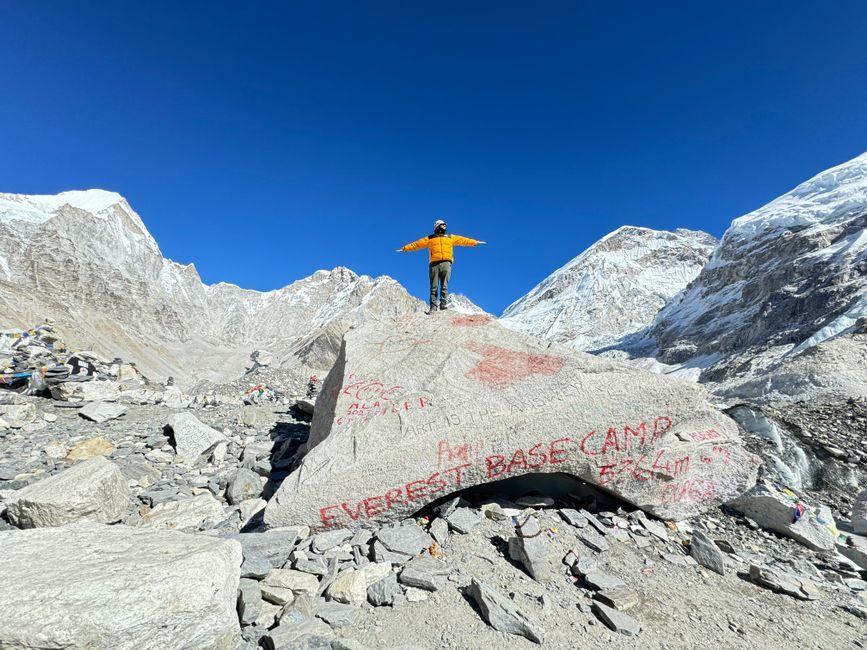
Day 9 – Lobuche to Gorak Shep (5,164 m) – Everest Base Camp (5,364 m) – Return to Gorak Shep
Early start to Gorak Shep, then push to EBC for the iconic photo opportunity. Return to Gorak Shep for overnight.
Day 10 – Gorak Shep to Kala Patthar (5,545 m) – Descend to Pheriche (4,240 m)
Sunrise ascent of Kala Patthar for the best Everest panorama, then descend to Pheriche.
Day 11 – Pheriche to Namche Bazaar
Retrace steps through Dingboche and Tengboche, enjoying familiar sights from a new perspective.
Day 12 – Namche to Lukla – Flight to Kathmandu
Final descent to Lukla, catch the flight back to Kathmandu, celebrate the achievement.
Cultural Insights
The Sherpa people, renowned for their mountaineering expertise, practice Tibetan Buddhism. Monasteries such as Tengboche and Pangboche are centers of worship and community life. Trekkers are encouraged to respect local customs: remove shoes before entering religious sites, ask permission before photographing individuals, and support the economy by purchasing handicrafts directly from artisans.
Safety Tips
- Altitude Sickness: Recognize symptoms (headache, nausea, dizziness). If severe, descend immediately.
- Weather: Conditions can change rapidly; carry layered clothing and check forecasts.
- Guides and Porters: Hiring a licensed guide improves safety, navigation, and cultural understanding.
- Insurance: Ensure your travel insurance covers high‑altitude trekking and emergency evacuation.
- Hydration: Drink at least 3‑4 liters of water daily; use purification methods.
- Trail Etiquette: Yield to pack animals, stay on marked paths, and pack out all trash.
Travel Tips
- Food: Teahouses serve dal bhat (lentil soup with rice), noodles, potatoes, and occasional meat. Vegetarian options are plentiful.
- Water: Always treat water; iodine tablets, chlorine drops, or a filter bottle are recommended.
- Connectivity: Mobile coverage is available in larger villages; consider buying a local Ncell or Nepal Telecom SIM.
- Cash: ATMs are scarce beyond Namche; carry enough Nepali rupees for meals, snacks, and tips.
- Packing Light: Aim for a base weight of 7‑8 kg (excluding food and water) to reduce strain.
- Respect the Environment: Follow Leave No Trace principles; use designated toilets and avoid picking plants.
Frequently Asked Questions
Q: Do I need prior trekking experience?
A: While previous hiking experience helps, the trek is doable for fit beginners who prepare adequately.
Q: How difficult is the flight to Lukla?
A: The flight is short but can be delayed due to weather; keep flexible travel dates.
Q: Can I trek solo?
A: Solo trekking is permitted, but hiring a guide or porter is strongly advised for safety and navigation.
Q: What is the success rate for reaching EBC?
A: Over 90 % of adequately acclimatized trekkers reach Base Camp; altitude-related issues are the main cause of turn‑backs.
Q: Are there emergency evacuation services?
A: Helicopter rescues operate from Lukla and nearby helipads; ensure insurance covers evacuation.
Conclusion
Embarking on the Everest Base Camp trek is a life‑changing adventure that blends physical challenge, awe‑inspiring scenery, and deep cultural encounters. With proper preparation, respect for the environment and local traditions, and a spirit of curiosity, first‑time visitors can stand at the foot of the world’s highest peak and carry home memories that last a lifetime. Prepare well, trek responsibly, and let the Himalayas reveal their majesty.
—
Keywords: Everest Base Camp Nepal, First-Time Visitor Guide to Everest Base Camp, Everest trek, Himalaya trekking, Sherpa culture, high altitude trek, trekking permit Nepal, altitude sickness tips, Everest Base Camp itinerary, best time to trek EBC.