Discover the untamed beauty of Dhorpatan Hunting Reserve, Nepal's only hunting zone. A guide to wildlife, culture, and trekking in this hidden gem.
First-Time Visitor Guide to Dhorpatan Hunting Reserve
Discover the Untamed Beauty of Nepal's Only Hunting Zone
Are you yearning for an escape from the bustling streets of Kathmandu or the crowded trekking trails of the Annapurna Circuit? If your soul craves solitude, raw wilderness, and the whisper of untouched nature, look no further than the Dhorpatan Hunting Reserve Nepal.
Located in the Baglung district of Lumbini Province, Dhorpatan Hunting Reserve is a place of mystery and legend. It stands as Nepal's only designated hunting zone, a sanctuary where high-altitude valleys meet dense forests, and where the rhythms of life are dictated by the seasons rather than the ticking of a clock. For the intrepid traveler, this is not just a destination; it is an odyssey into the heart of the Himalayas' lesser-known wonders.
This First-Time Visitor Guide to Dhorpatan Hunting Reserve will provide you with everything you need to know to navigate this remote paradise, from wildlife encounters to essential logistical advice.
The Allure of Dhorpatan: Why Visit This Hidden Gem?
Unlike the well-trodden paths of Everest or Langtang, Dhorpatan remains a secret held closely by the local communities. The allure of the reserve lies in its profound isolation. When you enter this zone, the modern world feels like a distant memory.
A Unique Ecosystem
Dhorpatan is a mosaic of diverse landscapes. You will find alpine meadows, dense rhododendron forests, and rugged rocky terrain. This varied topography provides a home to a wide array of fauna, many of which are rare or significant to the local ecology.
Cultural Richness
The reserve is not just about wildlife; it is a cultural landscape. The region is inhabited by various ethnic groups, including the Magar and Gurung people, whose traditions, festivals, and hospitality form the backbone of the local experience. Visiting Dhorpatan allows you to witness a way of life that has remained largely unchanged for generations.
Wildlife and Nature: What to Expect
For wildlife enthusiasts, Dhorpatan is a rare treasure. While the 'hunting reserve' status is a specific legal designation, for the non-hunting traveler, it functions as a protected wilderness area where birdwatching and wildlife photography are paramount.
Rare Fauna
The reserve is known for being home to several species that are difficult to spot elsewhere in Nepal. Keep your binoculars ready for:
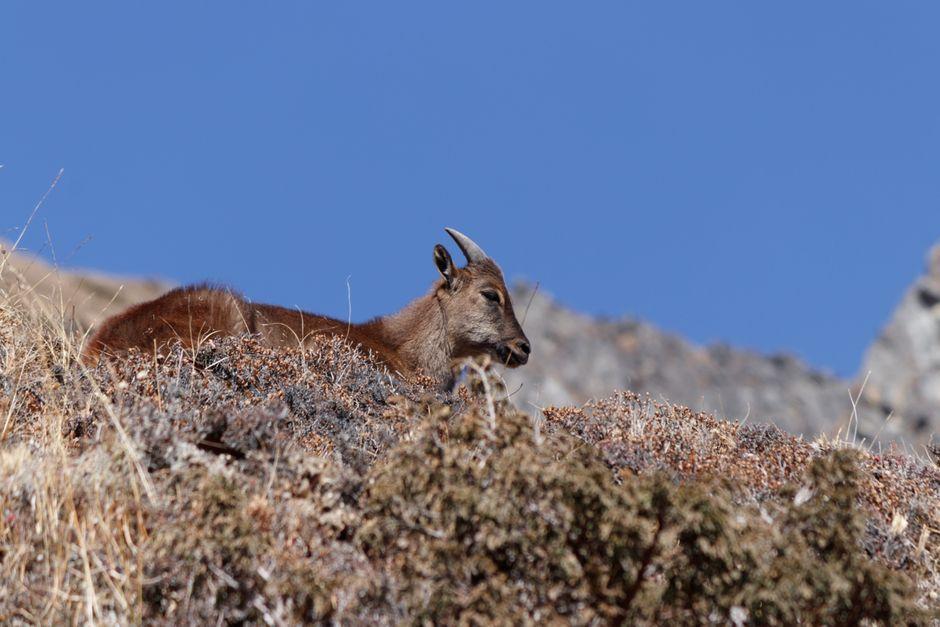
- Himalayan Tahr: Capable climbers seen on the higher rocky ridges.
- Blue Sheep (Bharal): Often spotted grazing in the high meadows.
- Leopard: Though elusive, the dense forest cover provides their ideal habitat.
- Exotic Birds: The reserve is a paradise for birdwatchers, hosting everything from colorful Himalayan Monals to various species of pheasants.
Seasonal Beauty
The scenery shifts dramatically with the seasons. During the spring, the valleys are carpeted in blooming rhododendrons. In autumn, the air is crisp and the views of the Dhaulagiri and Annapurna ranges are crystal clear. Winter brings snow to the higher reaches, transforming the landscape into a white wonderland.
How to Reach Dhorpatan Hunting Reserve
Reaching this remote corner of Nepal requires planning and a spirit for adventure. There are no direct flights to the reserve, so prepare for a journey through winding mountain roads.
By Road
- From Kathmandu: The most common route involves taking a domestic flight to Pokhara or a long bus journey. From Pokhara, you can hire a jeep or take a bus heading toward Baglung.
- From Baglung: From the district headquarters of Baglung, the road becomes significantly narrower and more challenging. Private jeeps are highly recommended for this stretch to ensure comfort and safety on the rugged terrain.
Trekking
For those who prefer to travel on foot, several trekking routes connect Dhorpatan to the Kali Gandaki Valley. These treks are not highly organized, meaning you will rely heavily on local knowledge and sturdy footwear. This is true wilderness trekking, not a luxury lodge-to-lodge experience.
Essential Travel Tips for Your Trip
To make the most of your journey to Dhorpatan Hunting Reserve Nepal, keep these practical tips in mind:
1. Best Time to Visit
- Spring (March–May): Ideal for birdwatching and seeing blooming flowers. The weather is mild and pleasant.
- Autumn (September–November): Best for clear mountain views and trekking. The skies are generally stable.
- Avoid Monsoon (June–August): The heavy rains can make the roads extremely dangerous and the trails muddy and slippery.
2. Accommodation
Options in Dhorpatan are limited compared to major trekking hubs. You can find local guesthouses and home-stays that offer a genuine taste of local culture. However, these are basic. If you are used to luxury, manage your expectations—this is a place for rugged exploration.
3. Packing Essentials
- Layers: Even in summer, mountain nights can be chilly.
- Sturdy Hiking Boots: The terrain is uneven and rocky.
- Power Bank: Electricity can be intermittent in remote villages.
- Water Purification: Always treat your water to avoid stomach ailments.
- First Aid Kit: Essential for remote areas where medical help is far away.
4. Respect Local Customs
When visiting local villages, always ask for permission before taking photos of people. Dress modestly when entering religious sites or local homes.
A Sample Itinerary: 4 Days in Dhorpatan
If you have a few days to spare, here is a suggested itinerary:
- Day 1: Arrival in Baglung/Pokhara. Settle in and prepare for the journey ahead.
- Day 2: Journey to Dhorpatan. Long drive via jeep through scenic mountain roads. Evening walk around the reserve village.
- Day 3: Wilderness Exploration. Spend the day hiking through the forests or birdwatching in the high meadows.
- Day 4: Cultural Immersion & Departure. Visit a local village to learn about Magar traditions before starting your journey back.
FAQs: Frequently Asked Questions
Is Dhorpatan safe for solo travelers?
Yes, Dhorpatan is generally safe. However, because it is remote, solo travelers should inform their guesthouses of their itinerary and carry a satellite communication device or a reliable local SIM card.
Can I go hunting in Dhorpatan?
No. While it is a "Hunting Reserve," hunting is strictly regulated by the government. Most visitors come for wildlife viewing, photography, and trekking.
Is there internet access in the reserve?
Internet connectivity is spotty and mostly limited to certain local hubs. Do not expect high-speed Wi-Fi in the middle of the forest.
Do I need a permit to visit?
Generally, for basic trekking, you do not need special permits like those required for Everest, but it is always wise to check with the Nepal Tourism Board for any updated local entry fees or conservation area permits.
Conclusion
Dhorpatan Hunting Reserve is a testament to the raw, unpolished beauty of Nepal. It is a destination for the traveler who is not satisfied with the easy path—the one who seeks the sound of silence, the thrill of a rare wildlife sighting, and the warmth of a remote mountain village.
If you are looking for an authentic adventure that stays with you long after you have returned home, make Dhorpatan your next destination. It is time to step off the map and into the wild.
—
Plan your journey today and discover the soul of the Himalayas in the heart of Dhorpatan.