
Explore Boudhanath Stupa in Nepal with this first-time visitor guide. Discover its history, cultural significance, travel tips, and must-see spots for an aut...
First-Time Visitor Guide to Boudhanath Stupa, Nepal
Introduction
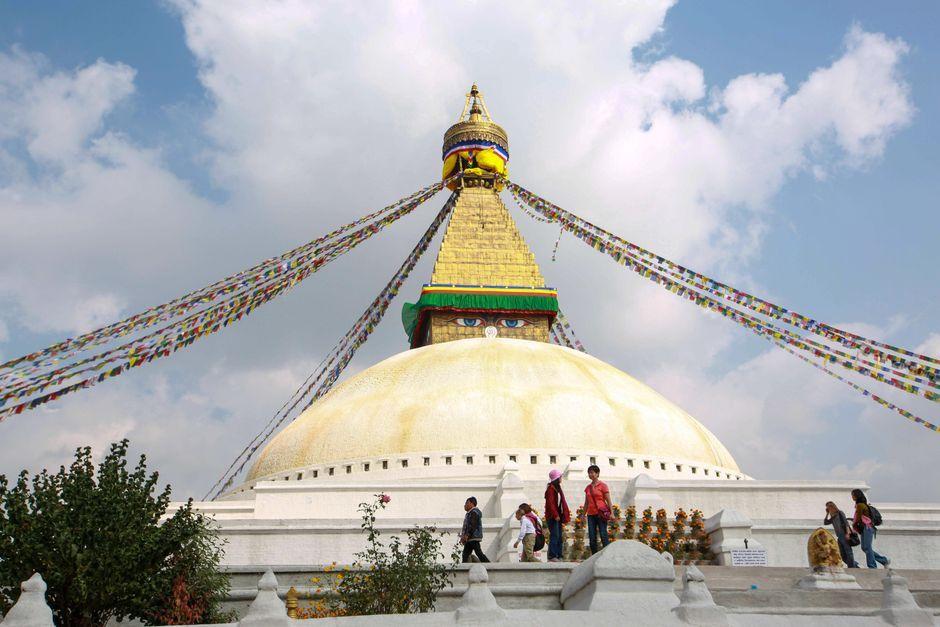
Boudhanath Stupa, a towering white dome crowned with the all-seeing eyes of Buddha, stands as one of the largest spherical stupas in Nepal and a vital center of Buddhist pilgrimage. Surrounded by bustling monasteries, vibrant prayer flags, and the aromatic scent of incense, it offers a profound glimpse into Tibetan culture and the intricate symbolism of the mandala. Whether you seek spiritual solace, cultural immersion, or simply a breathtaking vista, Boudhanath invites travelers to pause, reflect, and connect.
This first-time visitor guide to Boudhanath Stupa in Nepal provides essential information, practical tips, and cultural insights to ensure a meaningful and hassle-free experience. From understanding the stupa’s history to navigating local customs, we’ve covered everything you need to explore this iconic landmark.
What Is Boudhanath Stupa?
Boudhanath Stupa is one of the holiest Buddhist sites in the Himalayas. Built in the 8th century during the reign of King Trisong Detsen, it symbolizes the Buddhist mandala of Enlightenment. The stupa’s spherical structure represents the cosmos, while the white dome signifies purity. The all-seeing eyes of Buddha at its base are believed to represent the watchful gaze of wisdom and compassion. Pilgrims circumambulate the stupa clockwise, touching the spire to pray for wisdom and peace.
Historical Background
Dating back to the 8th century, Boudhanath Stupa was originally constructed during the golden age of Tibetan Buddhism. However, it was severely vandalized during the Rana regime of Nepal in the 20th century. The current structure was rebuilt in 1956 by the Dalai Lama, who originally came to Nepal as a student. The stupa’s history reflects the deep-rooted Buddhist heritage of the region and its resilience through political and social upheavals.
What to Expect at Boudhanath Stupa
Visitors to Boudhanath will encounter a vibrant spiritual ecosystem. Monasteries encircle the stupa, with monks reciting mantras and performing rituals. Prayer flags flutter in the wind, and incense coils fill the air. The base of the stupa is lined with prayer wheels, and devotees spin them to accumulate merit. For first-timers, the mix of chaos and serenity can be overwhelming, but guided tours or local assistance can enhance understanding.
How to Get to Boudhanath Stupa
Boudhanath Stupa is located about 8 kilometers east of Kathmandu. The journey takes around 20–30 minutes by car or a short walk if you’re staying in nearby Thamel. Kathmandu’s Tribhuwan Airport offers direct flights to Nepal, and from the airport, taxis, shared jeeps, or tuk-tuks are available to reach the stupa. Public transportation like the regression tractors (rickshaws) is a budget-friendly option but may be jittery on mountainous roads.
Best Time to Visit
The optimal time to visit Boudhanath Stupa is from October to March, during Nepal’s winter season. The weather is clear and cool, ideal for walking around the stupa and exploring nearby areas. Avoid April to June due to extreme heat and monsoon rains (July–September), which can make roads slippery and disrupt travel plans. Winter also aligns with major festivals like Losar (Tibetan New Year), offering a lively cultural experience.
Travel Tips for First-Timers
- Dress Modestly: Cover shoulders and knees. Women should avoid skirts or revealing clothing.
- Respect Local Customs: Remove shoes before entering monasteries. Refrain from pointing feet at the stupa.
- Carry a reusable water bottle and snacks: Amenities near the stupa are limited.
- Hire a local guide: They can provide insights into rituals and hidden gems.
- Use sunscreen and stay hydrated: Altitude and sun exposure can be intense.
- Respect prayer flags: Do not step on or tear them.
Nearby Attractions
- Swayambhunath Stupa: Just 7 kilometers from Boudhanath, this ancient shrine offers a panoramic view of the Himalayas.
- Thamel Market: A bustling hub for souvenirs, tea houses, and local crafts, located near Boudhanath.
- Bouddhanath’s Monastic Institutions: Explore monasteries like Samye or Kusum Ling to witness monastic life.
FAQs
Q: Is there an entry fee for Boudhanath Stupa?
A: No, entry to the stupa itself is free. However, donations are welcomed.
Q: Can I take photos inside the stupa?
A: Photography is generally allowed, but flash may be restricted in certain areas.
Q: How long does a visit to Boudhanath take?
A: Allocate 2–3 hours to explore the stupa and surrounding monasteries.
Q: Are there accommodations near Boudhanath?
A: Yes, Thamel offers budget to luxury hotels. Options are limited near the stupa itself.
Q: What is the significance of the eyes on the stupa?
A: The eyes symbolize the Buddha’s all-seeing wisdom and compassion, reminding devotees to remain mindful.
Conclusion
Boudhanath Stupa is more than a tourist attraction—it’s a spiritual and cultural landmark that encapsulates the essence of Tibetan Buddhism. For first-time visitors, the key to a rewarding experience lies in respecting local traditions, embracing curiosity, and allowing the serene atmosphere to envelop you. Whether you’re circumambulating the stupa at dawn or sipping butter tea in a nearby monastery, Boudhanath offers a journey that transcends time and geography. Plan your visit with care, and let this sacred site leave an indelible mark on your soul.