
Discover the untamed beauty of Bardia National Park, Nepal. Our guide covers wildlife, best times to visit, safaris, and essential tips for your adventure.
First-Time Visitor Guide to Bardia National Park: The Ultimate Wildlife Adventure
Are you dreaming of standing in the shadow of a Royal Bengal Tiger or watching a herd of wild elephants traverse the golden grasslands of the Terai? If you are seeking an untamed, authentic, and raw wilderness experience away from the crowded tourist trails of Chitwan, then look no further. Welcome to Bardia National Park, Nepal.
While Chitwan National Park often takes the spotlight, Bardia remains Nepal's best-kept secret. It is a land of dense Sal forests, winding river systems, and a level of tranquility that is increasingly hard to find in the modern world. This First-Time Visitor Guide to Bardia National Park will walk you through everything you need to know to plan your ultimate jungle safari.
—
Introduction: Why Bardia National Park is a Must-Visit
Bardia National Park is a UNESCO Biosphere Reserve located in the far-western Terai region of Nepal. Unlike other parks that have become highly commercialized, Bardia offers a sense of isolation and immersion that feels like stepping back in time. The park is defined by the mighty Karnali River, which provides a life-giving artery for the diverse ecosystem.
From the majestic Royal Bengal Tiger to the rare swamp-dwelling elephants and the Gharial crocodile, Bardia is a sanctuary for biodiversity. Whether you are a professional photographer, a hardcore trekker, or a family looking for a unique adventure, Bardia promises an encounter with nature that is both profound and life-changing.
When to Visit: The Best Time for Wildlife Sightings
Planning your trip to Bardia National Park, Nepal requires understanding the seasonal shifts of the Terai. The weather and accessibility change significantly throughout the year.
1. The Peak Season: October to March
This is the golden window for wildlife enthusiasts. After the monsoon rains have washed the dust away, the vegetation is lush, and the animals are easier to spot around water holes. The weather is cool and pleasant, making jeep safaris and jungle walks highly enjoyable.
2. The Shoulder Season: April to June
As the temperature rises, the heat can become intense. However, this is a fascinating time for wildlife watching. Animals congregate around the remaining water sources, making them easier to locate. Just be prepared for high humidity and soaring temperatures.
3. The Monsoon Season: July to September
During the monsoon, much of the park's interior roads become inaccessible due to heavy rains and mud. While the landscape is incredibly green and beautiful, most jungle safaris are suspended. This is generally not recommended for first-time visitors looking for wildlife sightings.
Top Activities in Bardia National Park
To truly experience the magic of Bardia, you need to engage with its landscape through various activities. Each offers a different perspective of the jungle.
Jeep Safaris
The most popular way to explore the park. A guided jeep safari allows you to cover large distances quickly, navigating through forest tracks to reach remote areas where tigers and rhinos are known to roam. It is efficient and provides a thrilling way to scan the tall grasses for movement.
Walking Safaris
For those who want to feel the heartbeat of the jungle, walking safaris are unmatched. Led by expert naturalists, these walks allow you to notice the smaller details—the tracks of a leopard, the calls of exotic birds, or the medicinal properties of local plants. Note: These are strictly regulated and only conducted in safe zones.
Boat Safaris on the Karnali River
Nothing compares to the serenity of drifting down the Karnali River in a traditional boat. This is often the best way to spot Gharial crocodiles sunning themselves on the banks and to see various species of river dolphins and water birds.
Bird Watching
Bardia is a paradise for ornithologists. With hundreds of species ranging from the Great Hornbill to various kingfishers and migratory birds, your binoculars will certainly be busy.
Wildlife to Look For
When you enter Bardia National Park, Nepal, keep your eyes peeled for these iconic residents:
- Royal Bengal Tiger: The undisputed king of the jungle.
- Asian Elephant: Including the rare swamp-dwelling varieties.
- Greater One-Horned Rhinoceros: Though less common than in Chitwan, they are present here.
- Gharial Crocodile: A prehistoric-looking predator found in the river systems.
- Sloth Bear: Shy and elusive, but a highlight if spotted.
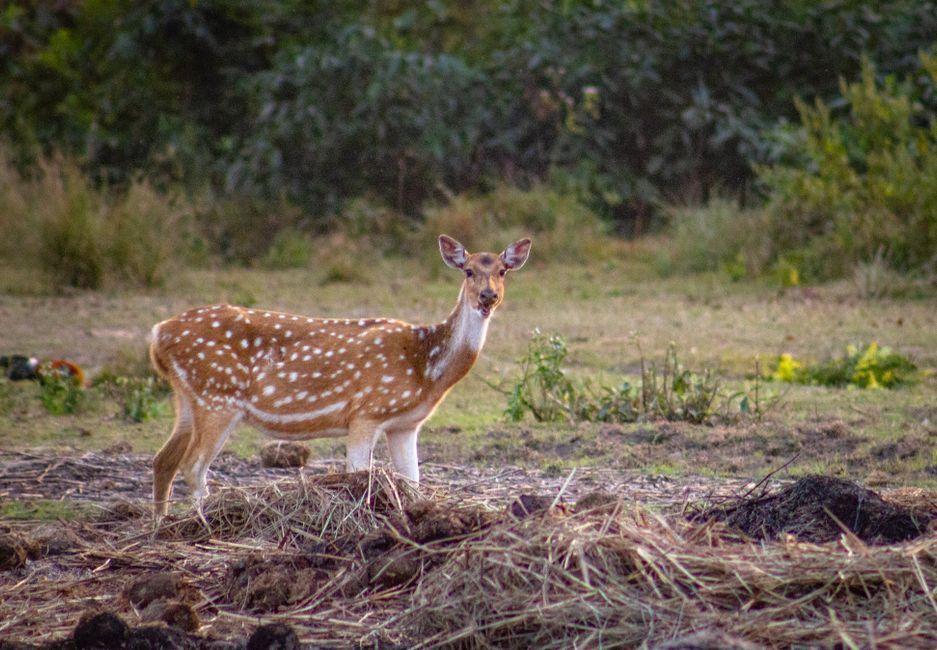
- Wild Water Buffalo and Chital (Spotted Deer): Frequently seen in the open grasslands.
How to Get to Bardia National Park
Bardia is located in the far-west, meaning it requires a bit more effort to reach than central Nepal destinations.
- By Air: The quickest way is to fly from Kathmandu to Nepalgunj. From Nepalgunj, you can hire a private car or take a local bus to Bardia (approximately a 5–7 hour drive).
- By Land: You can take a bus or private vehicle from Kathmandu via the East-West Highway. This is a long journey (often 15+ hours) but offers a glimpse into the changing landscapes of Nepal.
- Local Transport: Once you arrive in the Bardia area (near Kauda or Bardiya), most lodges provide shuttle services from the main road or Nepalgunj.
Accommodation Options
Bardia offers a range of stays depending on your budget and desired level of comfort:
- Luxury Jungle Lodges: These offer high-end amenities, gourmet meals, and personalized safari itineraries. Perfect for honeymooners or those seeking comfort.
- Mid-Range Eco-Lodges: These provide clean, comfortable rooms with an emphasis on sustainable living and authentic local experiences.
- Homestays: For the culturally curious, staying with a local Tharu family provides an unparalleled look into the traditions, food, and lifestyle of the people who live alongside the forest.
Essential Travel Tips for First-Timers
To ensure your trip is smooth and respectful of the environment, follow these tips:
- Pack Layers: The mornings can be chilly, while the afternoons can be quite hot.
- Dress Neutrally: Wear earth tones (khaki, olive, brown). Avoid bright colors like red or white, which can startle wildlife.
- Respect the Wildlife: Never make loud noises or attempt to feed animals. Always follow the instructions of your guide.
- Carry Insect Repellent: The Terai is home to mosquitoes; protect yourself to avoid discomfort.
- Hydrate and Sun Protection: Even in the cooler months, the sun can be strong. Carry reusable water bottles and sunscreen.
- Eco-Conscious Travel: Minimize plastic waste. Bardia is a sensitive ecosystem; leave no trace.
FAQs
Q: Is Bardia safe for solo travelers?
A: Yes, Bardia is generally safe. However, it is highly recommended to join organized tours or stay in established lodges where guides can assist you with logistics and safety.
Q: How much does a safari cost?
A: Costs vary wildly. A budget trekker might spend $50/day, while a luxury safari experience can exceed $300/day. Budget for park entrance fees, guide fees, and transport.
Q: Can I see tigers in Bardia?
A: While tiger sightings are never guaranteed, Bardia has one of the highest densities of tigers in Nepal, making it one of the best places to attempt a sighting.
Q: Do I need a permit?
A: Yes, entrance to the national park requires a permit, which can usually be arranged through your lodge or at the park entrance.
Conclusion
Bardia National Park is more than just a destination; it is an experience that reconnects you with the raw, unscripted rhythms of the natural world. It lacks the polished tourist infrastructure of other parks, but in that lack, you find something much more valuable: authenticity.
Whether you are watching the sun set over the Karnali or catching a glimpse of a tiger through the Sal trees, your journey to Bardia National Park, Nepal will stay with you long after you have returned home. Prepare well, respect the wild, and get ready for the adventure of a lifetime.
—