
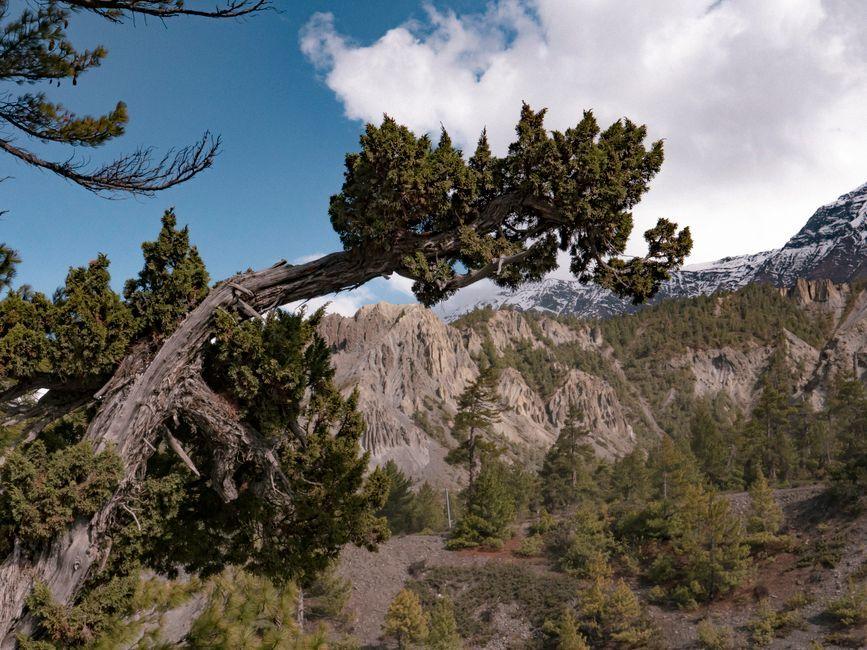
Discover essential tips, routes, and cultural insights for first‑time trekkers on the Annapurna Circuit in Nepal.
First-Time Visitor Guide to Annapto Guide to Annapurna Circuit
Introduction
The Annapurna Circuit in Nepal is one of the world's most iconic trekking routes, offering a blend of high mountain scenery, diverse ecosystems, and rich cultural encounters. For first-time visitors, the circuit presents a challenging yet rewarding adventure that circles the Annapurna massif, crossing the formidable Thorong La Pass at 5,416 meters. This guide provides everything you need to know to plan a safe, enjoyable, and memorable trek, from permits and gear to acclimatization tips and local etiquette.
Why Trek the Annapurna Circuit?
The trek is renowned for its variety. Starting in the subtropical foothills near Besisahar, you walk through lush rice paddies and dense forests, gradually ascending into alpine meadows and arid high-altitude deserts. Along the way, you encounter traditional Gurung and Thakali villages, Buddhist monasteries, and Hindu temples. The panorama of peaks including Annapurna I, Annapurna II, Annapurna III, Gangapurna, and the sacred Machapuchare (Fishtail) dominates the horizon. Reaching Thorong La Pass offers a sense of achievement few other treks can match. Moreover, the circuit supports local economies benefit of tea house stays and guide employment makes it a sustainable tourism option when practiced responsibly.
Best Time to Go
The optimal trekking windows are pre‑monsoon (late March to early June) and post‑monsoon (late September to early November). During these periods, temperatures are moderate, skies are clear, and the risk of snow or heavy rain is lower. Spring brings blooming rhododendrons along the lower trails, while autumn offers crisp air and superb mountain views. Winter trekking is possible but requires extra gear for cold and snow at Thorong La, and the monsoon months (June to August) bring leeches, landslides, and poor visibility, making them less suitable for first‑timers.
Getting There: Flights and Transport
Most trekkers fly into Tribhuvan International Airport in Kathmandu. From Kathmandu, a scenic bus or jeep ride takes you to Besisahar, the typical starting point of the circuit. The journey lasts about 6-8 hours depending on road conditions. Alternatively, you can take a domestic flight to Pokhara and then travel by road to Besisahar, which reduces travel time. Returning from the trek, you usually exit at Jomsom and fly back to Pokhara or Kathmandu from the small airport there. Booking flights in advance, especially during peak seasons, is advisable to secure seats and better rates.
Permits and Regulations
Trekkers need two permits: the Annapurna Conservation Area Permit (ACAP) and the Trekkers' Information Management System (TIMS) card. Both can be obtained in Kathmandu or Pokhara through authorized agencies or the Nepal Tourism Board. The ACAP fee supports conservation efforts, while the TIMS card helps authorities track trekkers for safety. Keep copies of your permits with you at all times, as checkpoints are located at various points along the route. Independent trekking is allowed, but hiring a licensed guide or porter is recommended for safety and to support local livelihoods.
Route Overview and Day-by-Day Itinerary
A standard circuit takes 12-21 days depending on pacing and side trips. Below is a typical 15-day itinerary:
Day 1: Drive Kathmandu to Besisahar (820m) – 6-8 h.
Day 2: Trek Besisahar to Bahundanda (1,310m) – 5-6 h.
Day 3: Bahundanda to Chamje (1,430m) – 5-6 h.
Day 4: Chamje to Dharapani (1,860m) – 5-6 h.
Day 5: Dharapani to Chame (2,670m) – 5-6 h.
Day 6: Chame to Pisang (3,200m) – 5-6 h.
Day 7: Pisang to Manang (3,540m) – 4-5 h (via upper Pisang route for better views).
Day 8: Acclimatization day in Manang – short hike to Gangapurna Lake or Ice Cave.
Day 9: Manang to Yak Kharka (4,050m) – 3-4 h.
Day 10: Yak Kharka to Thorong Phedi (4,450m) – 3-4 h.
Day 11: Thorong Phedi to Thorong La Pass (5,416m) then descend to Muktinath (3,800m) – 7-9 h (start early).
Day 12: Muktinath to Jomsom (2,720m) – 3-4 h.
Day 13: Jomsom to Pokhara by flight or bus – optional rest day.
Day 14: Explore Pokhara or relax.
Day 15: Return to Kathmandu.
Side trips such as Tilicho Lake (world's highest lake) or the Kali Gandaki Gorge can add extra days. Adjust daily distances based on fitness and acclimatization needs.
Accommodation and Food
Along the circuit, tea houses provide basic lodging and meals. Rooms are typically twin-share with shared bathrooms, though some newer lodges offer private facilities. Expect to pay USD 5-10 per night for a room and USD 2-5 for a meal. Menus feature dal bhat (lentil soup with rice), noodles, potatoes, eggs, and occasional meat. Vegetarian options are widely available. Carry water purification tablets or a filter, as bottled water is expensive and environmentally unfriendly. Hot drinks like tea, coffee, and hot lemon are helpful for warmth and hydration.
Gear and Packing List
Essential items include:
- Sturdy trekking boots with good ankle support
- Layered clothing: moisture-wicking base, insulating fleece or down jacket, waterproof shell
- Warm hat, gloves, and buff for high altitudes
- Sleeping bag rated to -10°C (though many tea houses provide blankets)
- Trekking poles (optional but helpful on descents)
- Headlamp with spare batteries
- Sun protection: sunglasses, sunscreen SPF 50+, lip balm
- Personal first aid kit with blister treatment, pain relievers, and any prescription meds
- Water purification method (tablets, filter, or UV pen)
- Snacks: energy bars, nuts, chocolate
- Portable charger/power bank
- Passport, permits, cash (Nepali rupees) and a small amount of USD for emergencies
- Lightweight towel and toiletries
Avoid overpacking; porters can carry up to 15 kg, but keep your day pack under 7 kg for comfort.
Altitude Sickness and Health Tips
Altitude sickness (AMS) can affect anyone above 2,500 m. Symptoms include headache, nausea, dizziness, and shortness of breath. Prevention strategies:
- Ascend gradually; follow the 'climb high, sleep low' principle.
- Stay hydrated; aim for 3-4 liters of water daily.
- Avoid alcohol and tobacco.
- Consider prophylactic acetazolamide (Diamox) after consulting a doctor.
- If symptoms worsen, descend immediately.
Carry a pulse oximeter to monitor oxygen saturation. Know the locations of health posts: Manang, Thorong Phedi, and Muktinath have basic medical facilities. In severe cases, evacuation via helicopter may be arranged—ensure your travel insurance covers high-altitude rescue.
Cultural Etiquette and Responsible Trekking
Respect local customs to foster positive interactions:
- Dress modestly, especially when visiting monasteries or temples (cover shoulders and knees).
- Remove shoes before entering religious sites.
- Ask permission before photographing people.
- Use both hands when giving or receiving items.
- Stick to established trails to prevent erosion.
- Dispose of waste properly; carry out non-biodegradable items.
- Support local economy by buying food and souvenirs directly from villagers.
- Learn a few Nepali greetings such as 'Namaste' (hello) and 'Dhanyabad' (thank you).
Practicing Leave No Trace principles helps preserve the Annapurna region for future generations.
FAQs
Q: Do I need a guide for the Annapurna Circuit?
A: Independent trekking is permitted, but a guide enhances safety, navigation, and cultural insight, especially for first-timers.
Q: Is the Thorong La Pass open year-round?
A: The pass is generally accessible from March to May and September to November. Winter snow can block it, and monsoon rains increase landslide risk.
Q: How difficult is the trek?
A: It is considered moderate to strenuous due to length, altitude, and daily walking times of 5-7 hours. Good fitness and prior hiking experience are beneficial.
Q: Can I charge my devices along the route?
A: Most tea houses offer charging for a small fee, but electricity can be unreliable; bring a power bank.
Q: What is the typical daily budget?
A: Expect USD 25-35 per day covering food, lodging, permits, and minor expenses. Guide/porter fees add USD 15-25 per day per person.
Q: Are there ATMs on the trail?
A: No. Carry sufficient cash from Kathmandu or Pokhara; small notes are useful for purchases in villages.
Q: Is water safe to drink directly from taps?
A: No. Always treat water before drinking.
Q: What wildlife might I see?
A: You may encounter Himalayan tahr, langur monkeys, various bird species, and, if lucky, the elusive snow leopard at higher elevations (though sightings are rare).
Q: Can I do the circuit in the opposite direction?
A: Yes, many trekkers go clockwise (starting at Besisahar) or anticlockwise (starting at Jomsom). The direction does not affect difficulty significantly.
Q: What should I do in case of an emergency?
A: Use your phone or satellite communicator to contact your guide, trekking agency, or emergency services. Know the nearest helicopter evacuation points (Manang, Thorong Phedi, Muktinath).
Travel Tips
- Start each day early to maximize daylight and avoid afternoon clouds.
- Keep a daily journal or blog to track progress and acclimatization symptoms.
- Pack a lightweight rain cover for your backpack.
- Use zip-lock bags to protect electronics and documents from moisture.
- Exchange some money to small denomination notes before leaving Kathmandu.
- Stay flexible; weather can change rapidly, especially around Thorong La.
- Respect tea house rules: remove shoes indoors, keep noise low after dark.
- Share your itinerary with someone not on the trek and check in regularly.
- Enjoy the journey—take time to savor the views, chat with locals, and reflect on the experience.
Conclusion
The Annapurna Circuit offers a transformative trek that blends natural grandeur, cultural richness, and personal achievement. By preparing thoroughly—securing permits, packing wisely, acclimatizing responsibly, and honoring local traditions—you’ll set the stage for a safe and memorable adventure. Whether you’re drawn by the promise of towering peaks, the serenity of mountain villages, or the thrill of crossing Thorong La, this legendary route rewards every step with unforgettable memories. Lace up your boots, embrace the journey, and let the Annapurna Himalayas inspire you.