Discover Nepal’s Dhorpatan Hunting Reserve, a hidden Himalayan gem offering trekking, wildlife, and unique hunting culture. Blend adventure with conservation...
Dhorpatan Hunting Reserve Trekking & Adventure Guide
Introduction: A Hidden Himalayan Jewel
Nestled in Nepal’s far-western region, the Dhorpatan Hunting Reserve is a sanctuary where wilderness and tradition converge. As Nepal’s only regulated hunting area, it offers a rare blend of adventure, conservation, and cultural immersion. This remote reserve, located in the Annapurna and Dhaulagiri ranges, is a paradise for trekkers and adventure enthusiasts seeking unspoiled beauty and thrilling experiences. Whether you’re drawn by the challenge of high-altitude treks, the chance to observe rare wildlife, or the allure of bucket-list adventures, Dhorpatan promises an unforgettable journey. This guide will equip you with everything you need to explore this unique destination.
Why Visit Dhorpatan Hunting Reserve?
Untouched Natural Beauty
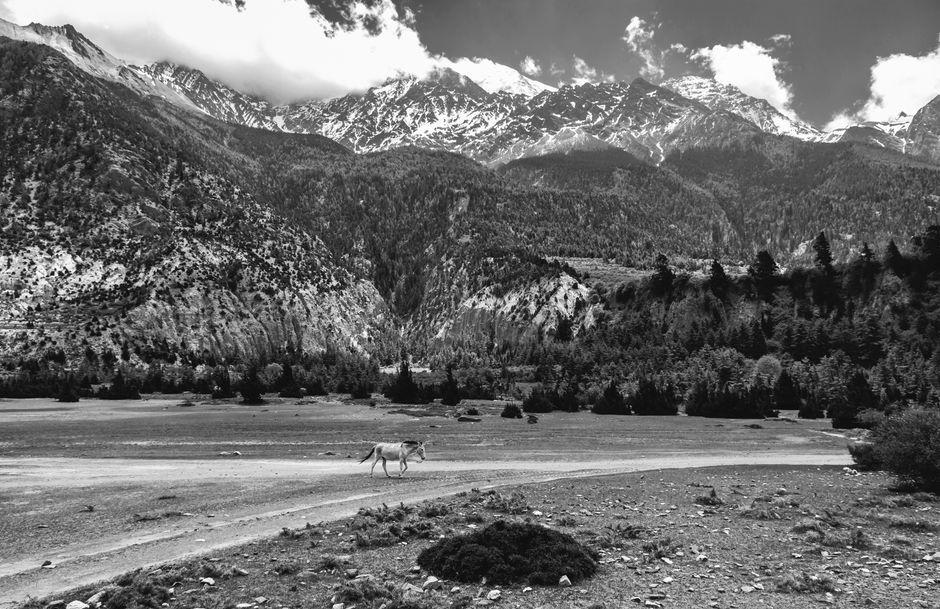
The reserve spans 354 km², featuring alpine pastures, dense forests, and glacial valleys. Its pristine landscapes are home to species like the Himalayan tahr, snow leopard, and various bird species. Unlike crowded tourist spots, Dhorpatan’s tranquility makes it ideal for nature lovers.
Adventure Awaits Every Turn
From hiking through rhododendron forests to spotting elusive wildlife, the reserve offers diverse activities. Trekking routes like the Dhorpatan High Pass Trek (5,415m) and Chtrluwa Valley Trek cater to varying fitness levels. Adventure seekers can also enjoy rock climbing, birdwatching, and cultural interactions with local ethnic communities.
Conservation and Sustainability
Despite its name, hunting is strictly regulated. The reserve prioritizes wildlife conservation, making it a model for eco-tourism. By visiting, you contribute to preserving this fragile ecosystem while supporting local communities.
Trekking Routes in Dhorpatan Hunting Reserve
The Ultimate Trek: Dhorpatan High Pass
This 14-16 day trek covers 120 km and reaches Nepal’s third-highest pass (5,415m). Key stops include Mapchehani (3,840m) and Chutori (4,510m). Permits from the Nepal Tourism Board are mandatory. The trail offers panoramic views of the Annapurna and Dhaulagiri ranges.
Shorter Adventures: Syangphi to Dhorpatan
For a 7-10 day trek, start at Syangphi (2,860m) and trek to Dhorpatan (3,210m). This route focuses on rural landscapes, local homestays, and wildlife spotting.
Off-the-Beaten Path: Chtrluwa Valley
A less crowded alternative, this valley trek combines nature and culture. It’s perfect for those wanting solitude and a glimpse into traditional lifestyles.
Adventure Activities Beyond Trekking
Wildlife Safaris
組採 undertaken by experienced guides, these safaris aim to observe species like the elusive snow leopard. Early morning or late evening excursions yield the best results.
Cultural Immersion
Engage with local Tewa and Gurung communities to learn about their hunting traditions and folklore. Visits to monasteries and traditional villages add depth to your journey.
Photography and Nature Enthusiasts
The reserve’s diverse flora and fauna make it ideal for photography. Dawn and dusk offer golden opportunities to capture wildlife against the Himalayan backdrop.
Travel Tips for Dhorpatan
Best Time to Visit
May to September is ideal for trekking, with clear skies and accessible trails. Winter (November to March) is reserved for experienced trekkers due to heavy snow.
Permits and Regulations
Obtain a Restricted Area Permit (RARP) and Conservation Fee. Hunting is prohibited for tourists; only licensed locals participate.
Health and Safety
Acclimatize properly for high-altitude treks. Carry essentials like a first-aid kit, contact lens solution, and a solar-powered charger. Hire local guides who are familiar with the terrain.
Stay Options
Limited to teahouses and community-run lodges. Book in advance during peak season. Teawractice = basic facilities with hearty meals.
FAQs
Q: Is hunting allowed for tourists in Dhorpatan?
A: No. Hunting is restricted to licensed locals under strict regulations. Tourists can only observe under guided safaris.
Q: What is the difficulty level of treks here?
A: Difficulty varies. The High Pass Trek is strenuous (technical passes), while Syangphi to Dhorpatan is moderate.
Q: Can I visit during winter?
A: Yes, but only for experienced trekkers. February-March is popular for fewer crowds and unique scenery.
Q: Do I need a guide?
A: Highly recommended for navigation, safety, and cultural insights.
Conclusion
The Dhorpatan Hunting Reserve offers a rare opportunity to blend adventure with conservation. Its untouched landscapes, rich biodiversity, and cultural depth make it a must-visit for intrepid travelers. By following this guide, you’ll not only navigate the reserve confidently but also contribute to preserving its natural heritage. Embrace the challenge, respect the environment, and create memories that last a lifetime.
Additional Resources
Read the official Nepal Tourism Board guidelines for permits. Join local tour operators like K2 Expeditions or Loving Travel for tailored experiences.