
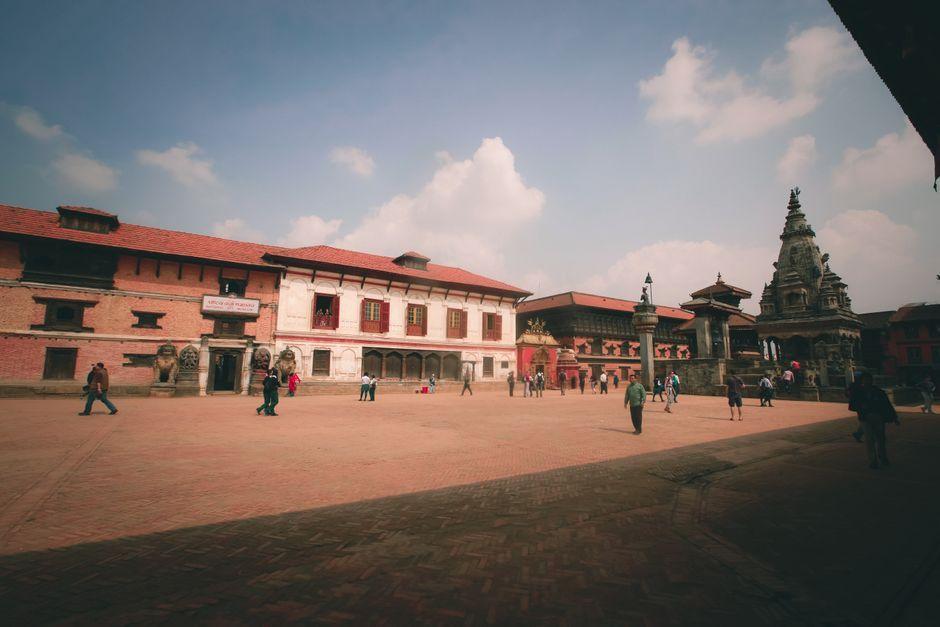
Discover the beauty of Patan Durbar Square, Nepal. Our complete guide covers must-see temples, the Patan Museum, travel tips, and cultural insights.
Complete Travel Guide to Patan Durbar Square
Step into a living museum of Newari culture and ancient splendor at Patan Durbar Square, the beating heart of Lalitpur. This UNESCO World Heritage site offers an unparalleled glimpse into Nepal's rich artistic heritage and breathtaking palace architecture. Whether you are a history buff, an architecture enthusiast, or a photographer searching for that perfect shot of pagoda-style temples, this guide serves as your ultimate companion to exploring one of the most culturally significant sites in the Kathmandu Valley.
Introduction to Patan Durbar Square, Nepal
Patan Durbar Square, also known as Lalitpur Durbar Square, is a masterpiece of Newari craftsmanship. Unlike the bustling energy of Kathmandu Durbar Square, Patan offers a more serene, artistic, and intimate atmosphere. The square is a complex of ancient palaces, intricately carved wooden windows, and golden-roofed temples that have stood for centuries.
Walking through Patan is like walking through time. The city of Lalitpur, meaning "City of Beauty," is renowned for its metalwork and stone carvings, and nowhere is this more evident than in the architectural wonders surrounding this square. In this Complete Travel Guide to Patan Durbar Square, we will explore everything you need to know to make your visit unforgettable.
Why You Must Visit Patan Durbar Square
A Hub of Newari Artistry
Patán is the pinnacle of Newari architecture. The Newar people, the indigenous inhabitants of the Kathmandu Valley, are legendary artisans. Their ability to carve wood, cast bronze, and shape stone is evident in every strut and spire within the square. You aren't just looking at buildings; you are looking at centuries of accumulated craftsmanship.
UNESCO World Heritage Status
Recognized by UNESCO for its cultural significance, the square is part of a larger network of heritage sites. This status ensures that the historical integrity of the site is preserved, making it a premier destination for international travelers seeking authentic historical sites.
The Vibrant Life of Lalitpur
While many tourists stick to the main Kathmandu city center, Patan offers a more local vibe. You will see elders sitting in courtyards (chowks), children playing near ancient shrines, and artisans working in small workshops nearby. It is a living, breathing entity, not a stagnant monument.
Key Attractions Within Patan Durbar Square
To make the most of your visit, you should focus on these primary landmarks:
1. The Patan Museum
Often cited as one of the best museums in South Asia, the Patan Museum is located within one of the ancient palace buildings. The museum houses an incredible collection of religious artifacts, metal statues, and traditional Newari tools. The architecture of the museum itself—built around central courtyards—is a highlight.
2. Krishna Mandir
This is arguably the most iconic structure in the square. Built in 19th century by King Bhimsen, this magnificent stone temple is dedicated to Lord Krishna. The intricate carvings on the stone struts depicting scenes from the Ramayana and Mahabharata are breathtaking. It is particularly stunning during the Krishna Janmashtami festival.
3. The Golden Temple (Hiranya Varna Mahavihara)
While technically a short walk from the main square, no trip to Patan is complete without visiting this stunning Buddhist monastery. The gold-plated exterior glitters brilliantly in the sun, reflecting the deep devotion of the local community.
4. Ancient Courtyards (Chowks)
Don't just walk the perimeter; step into the courtyards. These enclosed spaces often serve as community hubs and offer a quiet reprieve from the street noise. They provide the best opportunities for photography, especially when the sunlight hits the carved wooden pillars.
Practical Travel Advice for Your Visit
Best Time to Visit
The best time to visit Patan Durbar Square, Nepal, is during the post-monsoon and spring seasons (September to November and March to May). During these months, the weather is clear and pleasant, perfect for long walks and outdoor photography.
How to Get There
- From Kathmandu: You can easily take a local bus, a taxi, or book a ride-sharing service like Pathao or InDrive. The journey usually takes 20–40 minutes depending on traffic.
- From Lalitpur: Since Patan is part of Lalitpur, you can walk to the square if you are staying in the nearby residential areas.
Entry Fees and Opening Hours
There is usually an entry fee for the Durbar Square area (typically for foreigners). It is wise to carry sufficient cash in Nepalese Rupees (NPR), as card payments are not always accepted at smaller ticket booths or local eateries.
- Typical Opening Hours: 9:00 AM – 6:00 PM (though the area itself is accessible 24/7, museums have set hours).
Travel Tips for an Authentic Experience
- Hire a Local Guide: While you can explore on your own, a local guide can explain the complex symbolism behind the carvings and the religious significance of the different deities.
- Photography Etiquette: Photography is generally allowed, but always be respectful. Avoid taking photos of people performing religious rituals without asking first.
- Wear Comfortable Shoes: You will be walking on uneven cobblestone streets for hours. A good pair of walking shoes is essential.
- Dress Modestly: Since you are visiting religious sites, ensure your shoulders and knees are covered out of respect for local traditions.
- Try Local Food: Explore the narrow alleys surrounding the square to find traditional Newari cuisine. Try Buff MoMo, Bara, or Choila for an authentic taste of Lalitpur.
Cultural Etiquette & Local Customs
Understanding the local customs will enrich your experience. Patan is a deeply religious place where Hinduism and Buddhism coexist harmoniously.
- Respecting Shrines: Avoid touching religious statues or murals, as the oils from hands can damage the ancient art.
- Spiritual Awareness: You will see people lighting oil lamps (diyas) or offering flowers. It is a beautiful sight to witness; simply observe quietly and avoid disrupting their prayer.
Frequently Asked Questions (FAQs)
Q: Is Patan Durbar Square safe for solo travelers?
A: Yes, Patan is generally very safe. However, like any tourist destination, stay aware of your surroundings and keep an eye on your belongings in crowded areas.
Q: How much time should I spend in Patan Durbar Square?
A: To truly appreciate the architecture and visit the museum, I recommend dedicating at least 3 to 4 hours. If you plan to explore the nearby Golden Temple and surrounding alleys, an entire afternoon is better.
Q: Can I visit Patan Durbar Square on weekends?
A: Absolutely! It is a vibrant place on weekends, often filled with locals and community gatherings.
Q: Is there an entrance fee for the Patan Museum?
A: Yes, there is a separate entrance fee for the museum, which is separate from the Durbar Square entry fee.
Conclusion
Patan Durbar Square is more than just a collection of old buildings; it is the soul of Lalitpur. It is a place where history, art, and religion converge in a magnificent display of human achievement. Whether you are a history enthusiast or a casual traveler, this Complete Travel Guide to Patan Durbar Square highlights why this UNESCO site must be at the top of your Nepal itinerary. Prepare to be mesmerized by the intricate carvings, the golden spires, and the timeless spirit of the Newari people.