
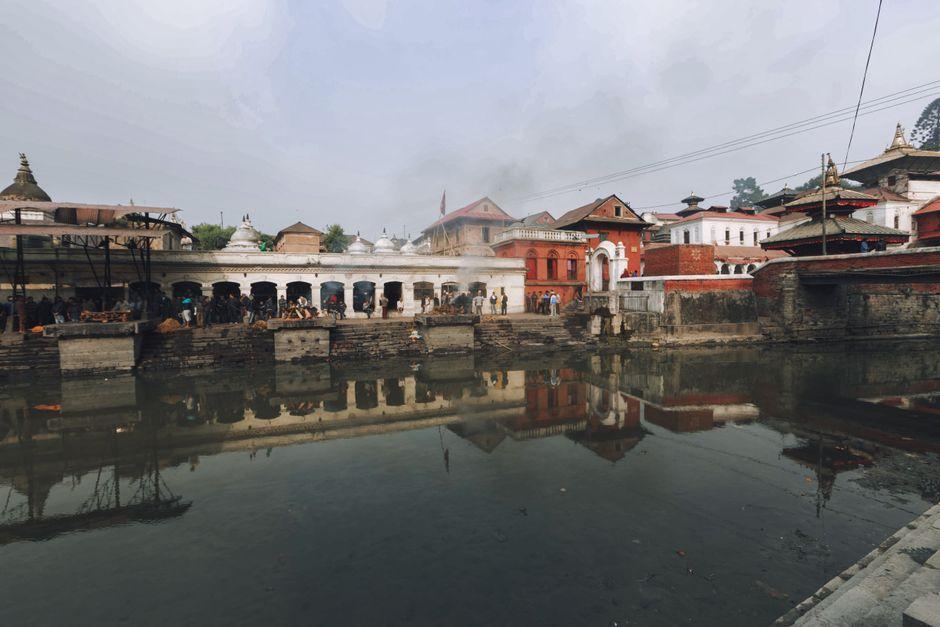
Explore Pashupatinath Temple Nepal with history, rituals, travel tips, festival guide, and nearby attractions in this complete travel guide.
Complete Travel Guide to Pashupatinath Temple
Introduction
Pashupatinath Temple, situated on the sacred banks of the Bagmati River in Kathmandu, stands as one of the most revered Hindu shrines in the world. Dedicated to Lord Shiva in his manifestation as Pashupati, the Lord of Animals, the temple draws millions of pilgrims, ascetics, and curious travelers each year. This complete travel guide to Pashupatinath Temple Nepal provides everything you need to know—from historical background and architectural marvels to practical tips, festival calendars, and nearby attractions—ensuring a respectful, enriching, and unforgettable visit.
Historical Overview
The origins of Pashupatinath are shrouded in myth and history. Legend tells that a cowherd named Kamadhenu observed his cow shedding milk onto a self‑appearing lingam buried in the earth. Astonished, he uncovered the lingam and informed the king, prompting the construction of a modest shrine. Archaeological evidence suggests worship at the site dates back to at least the 5th century during the Licchavi period. The present main temple, a striking two‑tiered pagoda with a gilt copper roof, was rebuilt in the 1690s by King Bhupatindra Malla after the earlier structure succumbed to termites. Over successive dynasties—including the Malla, Shah, and Rana regimes—the complex expanded with numerous subsidiary shrines, ashrams, and ghats. In 1979, UNESCO designated Pashupatinath a World Heritage Site, recognizing its outstanding cultural and religious significance.
Architectural Splendor
The temple’s architecture epitomizes the Newari pagoda style. The main sanctuary rises on a square base, crowned by two overlapping roofs covered in gleaming copper plates that have developed a verdant patina over centuries. Intricately carved wooden struts depict deities, mythical creatures, and floral motifs. Silver‑plated doors guard the entrance, flanked by stone statues of Nandi, Shiva’s bull vehicle, sitting in solemn vigil. Inside the garbhagriha (sanctum sanctorum) lies the sacred lingam, continuously bathed in offerings of milk, yogurt, ghee, honey, and sugar by temple priests. Encircling the central shrine are dozens of smaller temples dedicated to Vishnu, Surya, Ganesh, and the goddess Guhyeshwari, each showcasing distinct stylistic nuances. The temple complex also features a series of stone‑lined ghats along the Bagmati where cremation rites are performed; the most prominent, Arya Ghat, hosts funeral pyres that burn day and night, offering a poignant reminder of life’s transience.
Rituals, Worship, and Festivals
Daily worship at Pashupatinath follows a strict schedule rooted in Vedic tradition. The day begins before sunrise with the ringing of temple bells and the chanting of Om Namah Shivaya. Priests perform the abhisheka (ritual bathing) of the lingam every three hours, using five sacred substances known as panchamrita. Devotees queue to offer flowers, incense, and butter lamps, while sadhus covered in ash meditate under the temple’s shade.
Major Festivals
- Maha Shivaratri (February/March): The grandest celebration, attracting over a million devotees. Pilgrims fast, chant Shiva mantras throughout the night, and participate in processions bearing ornate chariots. The temple grounds fill with lights, devotional music, and a sea of saffron‑clad ascetics.
- Teej (August/September): Primarily observed by women, Teej celebrates marital bliss and the union of Shiva and Parvati. Women dress in vibrant red attire, sing folk songs, and swing on decorated swings while praying for the longevity of their husbands.
- Balachaturdashi (November): A unique observance where devotees scatter seven types of grains over the lingam to appease ancestral spirits and seek protection for their families.
- Shravan Mondays (July/August): Each Monday in the holy month of Shravan sees special rudrabhisheka ceremonies, drawing large crowds of Shiva devotees.
Participating respectfully in these rituals offers a window into living Hindu spirituality.
Best Time to Visit
The ideal window for exploring Pashupatinath spans from October to April, when the weather is dry and temperatures hover between 10°C and 25°C. Early mornings (5:00‑7:00 am) provide a tranquil atmosphere before the influx of visitors and allow you to witness the sunrise rituals over the Bagmati. If you wish to experience the temple at its most vibrant, plan your trip around Maha Shivaratri, but anticipate massive crowds, limited accommodation, and heightened security. Monsoon months (June‑September) bring heavy rains that can make the ghats slippery; however, the lush surroundings and fewer tourists may appeal to those seeking solitude.
How to Reach Pashupatinath
Located roughly 3 km east of Thamel, Kathmandu’s tourist hub, the temple is easily accessible:
- Taxi or Ride‑Share: A quick 10‑15‑minute ride from central Kathmandu. Agree on the fare beforehand or use metered cabs.
- Public Bus: Local microbuses numbered 13, 33, or 36 stop near the eastern gate. Fare is approximately NPR 20‑30.
- Walking: For those staying in nearby neighborhoods such as Gaushala or Boudhanath, a pleasant 25‑30‑minute walk along the river offers scenic views and a chance to observe local life.
- Bicycle: Several rental shops in Thamel offer bikes; the ride is flat and pleasant, though traffic can be chaotic.
Always carry small change for bus fares and be prepared for occasional traffic congestion, especially during festival periods.
Entry Fees, Dress Code, and Practical Information
- Entrance Fee: Foreign nationals: NPR 1,000 (approx USD 8); SAARC citizens: NPR 250; Nepali citizens: free. Fees support temple maintenance and conservation efforts.
- Dress Code: Modest attire is mandatory. Shoulders and knees must be covered; avoid shorts, sleeveless tops, and revealing clothing. Remove shoes before entering the inner sanctum; a shoe‑keeping area is provided at the entrance.
- Photography: Permitted in the outer courtyards and along the ghats. Strictly prohibited inside the main temple and near cremation pyres out of respect for the deceased and the sanctity of the sanctum.
- Facilities: Drinking water stations, clean restrooms, and small shops selling religious items (rudraksha beads, incense, photographs) are available near the main gate. Luggage storage is not offered; travel light and keep valuables secure.
- Guides: Official government‑licensed guides are available at the entrance for a fee of approximately NPR 500‑800 per hour. They provide insightful commentary on history, rituals, and symbolism.
What to See and Do
1. Main Temple (Pashupatinath)
Spend time observing the lingam, watching the priestly rituals, and admiring the pagoda’s intricate woodwork. Notice the continual flow of offerings and the soft chime of bells.
2. Arya Ghat
Witness the solemn cremation ceremonies. While photography is forbidden, the sight of flames against the river backdrop offers a profound meditation on impermanence.
3. Guhyeshwari Temple
A short walk upstream (about 10 minutes) leads to this Shakti Peetha dedicated to the goddess Guhyeshwari. The temple features a striking stone lingam and is especially vibrant during festivals.
4. Pashupati Area Development Trust (PADT) Museum
Located near the entrance, the museum houses artifacts, old photographs, and exhibits detailing the temple’s restoration projects and historical timeline.
5. Sadhu Encounters
Meet ascetic sadhus covered in ash, draped in saffron, and often engaged in philosophical discourse. Many offer blessings or chant mantras for a small donation.
6. River Walk and Ghats
Stroll along the Bagmati’s banks to see prayer flags, miniature shrines, and locals performing morning ablutions. The river’s serenity contrasts with the temple’s bustling energy.
7. Meditation Spots
Quiet corners beneath ancient pipal trees provide ideal spaces for meditation or quiet reflection, especially early in the morning.
Nearby Attractions
- Boudhanath Stupa (~5 km): One of the largest spherical stupas in the world, a focal point for Tibetan Buddhism.
- Kathmandu Durbar Square (~4 km): A complex of palaces, courtyards, and temples showcasing Newari architecture and the living goddess Kumari.
- Swayambhunath (Monkey Temple) (~6 km): Hilltop stupa offering panoramic views of the Kathmandu Valley and playful resident monkeys.
- Garden of Dreams (~3 km): A neo‑classical garden perfect for a tranquil break after temple exploration.
- Patan Durbar Square (~6 km): Another UNESCO site famed for its exquisite metalwork and stone carvings.
Travel Tips and Safety Advice
- Hydration: Carry a reusable water bottle; the altitude and dry climate can cause dehydration quickly.
- Footwear: Slip‑on shoes or sandals facilitate easy removal at the temple entrance.
- Respect: Never point your feet toward deities, lingams, or priests. Keep your voice low inside sanctums and avoid loud conversations.
- Offerings: Traditional offerings include milk, flowers, incense, and butter lamps. Monetary donations are welcome at the designated boxes.
- Money: ATMs are plentiful in Thamel; keep small denominations for purchases and offerings.
- Health: Opt for busy street‑food stalls with high turnover to reduce risk of illness. Drink bottled or filtered water.
- Scams: Beware of unsolicited guides offering exclusive tours at inflated prices. Stick to official guides or reputable tour operators.
- Altitude: Kathmandu sits at about 1,400 m; most visitors acclimatize quickly. Stay hydrated and avoid excessive alcohol.
- Cultural Sensitivity: Public displays of affection are frowned upon. Dress modestly not only within the temple complex but also in surrounding neighborhoods.
- Environmental Responsibility: Dispose of waste in designated bins. Avoid littering the ghats or riverbank; help preserve the sanctity of the Bagmati.
Frequently Asked Questions (FAQs)
Q1: Can non‑Hindus enter the main temple?
A: Non‑Hindus are welcome to explore the outer courtyards, ghats, and museums. Entry into the inner sanctum where the lingam resides is traditionally reserved for Hindus, but the exterior offers ample spiritual and cultural insight.
Q2: Is photography allowed inside the temple?
A: Photography is prohibited inside the main sanctum and near cremation ghats to maintain reverence and privacy. You may freely photograph the outer architecture, courtyards, and river scenes.
Q3: What is the significance of the Bagmati River at Pashupatinath?
A: The Bagmati is considered a holy river; devotees perform ritual baths, and its banks host the cremation ghats where souls are believed to attain moksha (liberation). The river’s perpetual flow symbolizes the cycle of life and death.
Q4: Are there accommodation options within the temple complex?
A: No hotels or guesthouses exist inside the complex. However, numerous budget lodges, mid‑range hotels, and guesthouses are available in the adjacent areas of Gaushala, Boudhanath, and Thamel.
Q5: How much time should I allocate for a visit?
A: A thorough visit—including the main temple, ghats, nearby shrines, and museum—typically takes 2‑3 hours. If you plan to attend a ritual, festival, or spend time meditating, allocate half a day.
Q6: Is it safe for solo female travelers?
A: Kathmandu is generally safe for solo female travelers. Exercise usual precautions: avoid isolated areas after dark, keep valuables secure, and respect local dress codes.
Q7: What should I offer if I wish to make a donation?
A: Traditional offerings include milk, yogurt, ghee, honey, sugar, flowers, incense, and butter lamps. Monetary contributions are also accepted at donation boxes near the entrance.
Q8: Are there any accessibility provisions for visitors with disabilities?
A: The main temple involves several steps; wheelchair access is limited. However, the outer courtyards, ghats, and museum areas are relatively flat. It is advisable to contact the Pashupati Area Development Trust in advance for specific assistance.
Q9: Can I attend a cremation ceremony as a spectator?
A: Yes, visitors may observe cremation rites from a respectful distance at the designated ghats. Photography is prohibited, and maintaining silence is encouraged out of respect for the bereaved families.
Q10: What languages are spoken by guides and temple staff?
A: Nepali is the primary language. Many official guides also speak English, Hindi, and occasionally other languages such as Chinese or French, catering to international tourists.
Suggested One‑Day Itinerary
- 05:00‑06:30: Arrive early, witness sunrise rituals, explore the outer courtyards.
- 06:30‑08:00: Walk along the Bagmati ghats, observe morning ablutions, visit Arya Ghat from a respectful distance.
- 08:00‑09:00: Breakfast at a nearby café (try traditional Newari dishes like samay baji).
- 09:00‑10:30: Tour the main temple, observe the abhisheka, visit the PADT museum.
- 10:30‑12:00: Explore Guhyeshwari Temple and surrounding shrines.
- 12:00‑13:00: Lunch at a local eatery (dal bhat, momo, or thukpa).
- 13:00‑14:30: Visit Boudhanath Stupa (short taxi ride).
- 14:30‑16:00: Return to Pashupatinath for quiet meditation or souvenir shopping.
- 16:00‑17:30: Optional: Explore Kathmandu Durbar Square or relax at Garden of Dreams.
- 18:00: Dinner in Thamel, reflecting on the day’s spiritual experiences.
Conclusion
Pashupatinath Temple is far more than a tourist landmark; it is a living testament to Nepal’s enduring faith, artistic brilliance, and philosophical depth. By immersing yourself in its rhythms—whether through the resonant chants of priests, the fragrant incense of offerings, or the silent contemplation by the Bagmati—you connect with a tradition that has thrived for millennia. Armed with the insights from this complete travel guide to Pashupatinath Temple Nepal, you are prepared to visit respectfully, absorb the spiritual aura, and carry home memories that linger long after you leave the sacred ghats. May your journey be blessed with peace, curiosity, and reverence.