Discover Nepal’s majestic Himalayas, vibrant culture, and ancient temples in our comprehensive travel guide packed with tips, itineraries, and travel facts.
Complete Travel Guide to Nepal
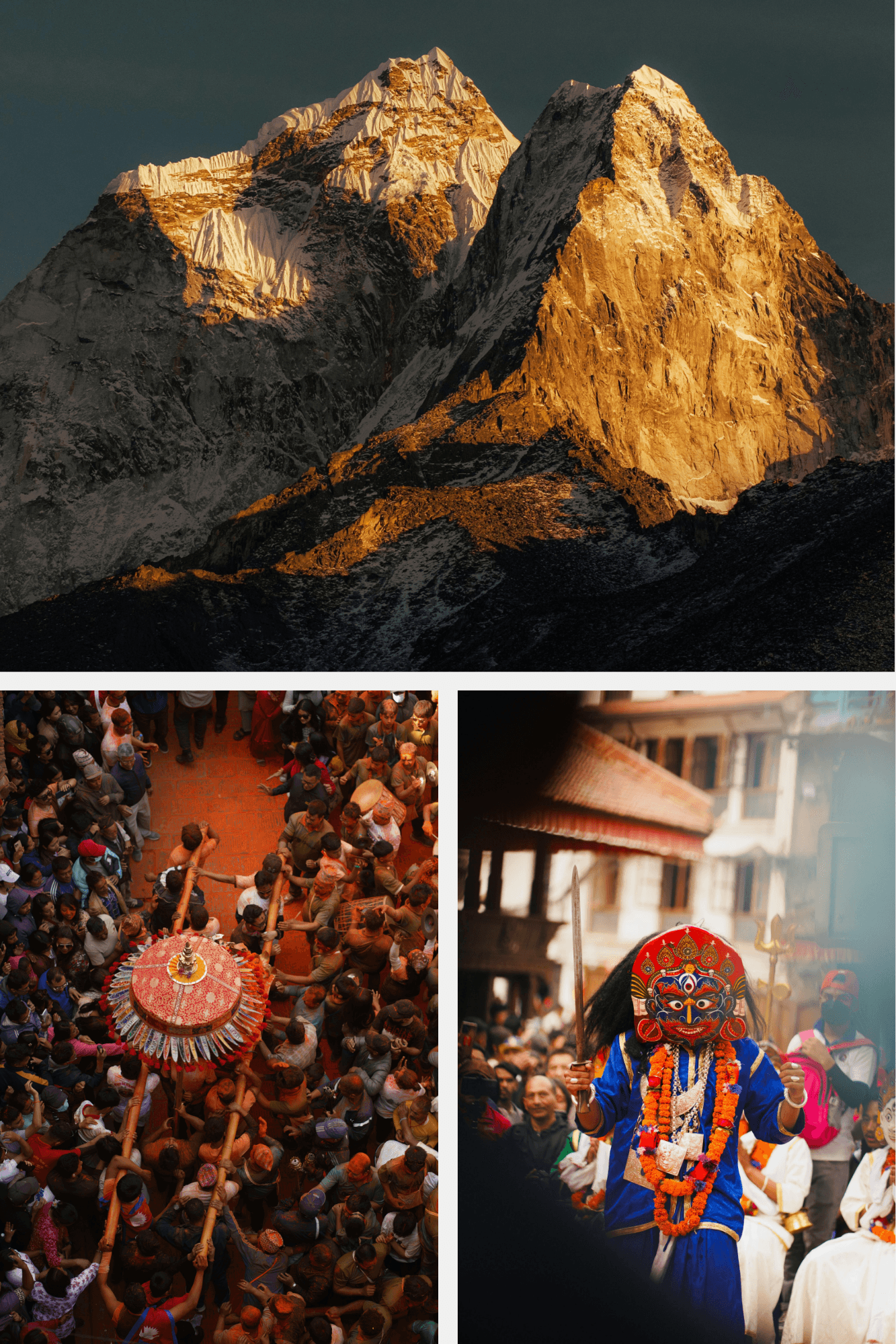
Nepal, the land that cradles millions of cultures and the highest point on earth, invites travelers to a journey between thunderous peaks, misty valleys, and timeless spirituality.
1. Why Visit Nepal?
- Majestic Himalayas: Home to Mount Everest and a staggering number of other peaks, the mountains are a playground for trekkers, climbers, and nature lovers.
- Rich Spiritual Heritage: From the birthplace of Buddha to awe‑inspiring stupas, pagodas, and shrines, Nepal offers an unparalleled dive into Buddhist, Hindu and indigenous traditions.
- Vibrant Culture: Colorful festivals, traditional crafts, folk music and warm hospitality make every encounter an experience.
- Biodiverse Landscapes: Lakes, hot springs, subtropical jungles, and alpine meadows showcase nature’s diversity.
2. Top Destinations
A. Kathmandu Valley
- Kathmandu: The capital city bustles with temples, bars, markets, and a melting pot of modernity and heritage. Don’t miss Pashupatinath, Boudhanath, Durbar Square and Thamel.
- Patan (Lalitpur): Renowned for its intricate wood carvings, Patan Durbar Square houses stupendously beautiful art.
- Bhaktapur: A UNESCO‑listed city with golden doors, the Nyatapola temple and medieval architecture.
B. Pokhara
- Phewa Lake: A tranquil spot perfect for boating and watching Pokhara’s sunrise over the Himalayas.
- World Peace Pagoda: Uphigh on a hill, offering panoramic views and a sense of serenity.
- Adventure Hub: Paragliding, white water rafting, and trekking routes begin here.
C. Chitwan National Park
- Wildlife Safari: Spot tigers, rhinos, elephants and birds in the lush jungle.
- Canopy Walk & Elephant Safari: Experience the forest from above or on a gentle elephant ride.
- Cultural Village Tours: Meet the Tharu people and learn about their traditions.
D. Everest Region
- Base Camp Trek: The most famous trek, with camps at Lukla, Namche Bazaar, Tengboche, and Everest Base Camp.
- Llama Trek: A less‑traveled route offering stunning landscapes and a deeper sense of solitude.
- Ghorepani: A scenic pasture with sunrise views of Mt. Everest.
E. Lumbini
- Birthplace of Buddha: The sacred garden grounds, monasteries, and the scenic Bodhi Tree.
- Ceremonial Road: Walkers can trace the path of Buddha’s childhood.
- Ecological Park: An oasis of calm and’autant.
3. Things To Do in Nepal
| Activity | Best Time | What to Expect |
|---|---|---|
| Trekking | October to mid‑May | Clear skies, pleasant mountain temperatures. |
| Cultural tours | All year | Dive into local festivals like Dashain and Tihar. |
| River Rafting | March to September | Mahakali River offers varying levels. |
| Bird Watching | April to October | Rich avian diversity in Chitwan, Katmandu. |
4. When to Visit
- Spring (March‑May): Pleasant weather, rhododendron blossoms, early trekking.
- Autumn (September‑November): Clear views of the Himalayas, ideal for trekking and festivals.
- ** ವರ** (Summer) : Rainyiors.
- Winter (December‑February): Colder but quiet, Bay for the base camp.
5. Practical Travel Advice
5.1 Visa & Entry Requirements
- Tourist Visa: Available on arrival at Tribhuvan International Airport, Biratnagar and other land લઈ.
- Validity: 15‑90 days, extendable at immigration offices.
5.2 Currency & Banking
- Currency: Nepalese Rupee (NPR). ATMs are largely available in cities and major trekking routes.
- Cards: Debit cards work; credit cards are accepted in urban areas.
5.3 Health & Safety
- Vaccinations: Hepatitis A & B, Typhoid recommended.
- Altitude Sickness: Acclimatise gradually, carry Rateral & oxygen.
5.4 Packing List
- Light trekking boots
- Layered clothingtear
- Rain and wind jacket
- Sunscreen (SPF 50+)
- Basic first‑aid kit
- Reusable water bottle
- Sturdy backpack Yours
5.5 Transportation
| Mode | Notes |
|---|---|
| Domestic Flights | Cheaper than road. |
| Buses | Range from tourist预约 to.
| qədlets |
| Taxis | Official taxis vs curb‑side.
6. FAQs
Q: Do I need a permit for trekking?
A: Yes, trekking in protected zones requires an entry permit (TIMS for treks) and sometimes a National Park entry permit (for Chitwan).
Q: Is English widely spoken?
A: In urban centers and tourist hubs English is common; in rural areas you may rely on basic Nepali or a translation app.
Q: How safe is Nepal for solo travelers?
A: Kathmandu and Pokhara offer numerous group tours; solo trekkers usually stay in hostels, but it is advisable to inform the host of your schedule.
Q: When is the best time to see the sunrise over Everest?
A: Early April and October. December may be too cold.
Q: Can I camp independently?
A: In the Everest region you must sign up with an authorised guide party; wilderness camping is strictly prohibited.
7. Travel Tips & Best Practices
- Change perspective: Combine culturalématiques with outdoor adventures for balanced itinerary.
- Local etiquette: Dress modestly when visiting temples; remove shoes before entering.
- Respect: Avoid littering; use reusable containers; keep noise low near monasteries.
- Keep a travel log: Photos, notes, and local contacts are priceless.
- Travel Insurance: Confirm coverage of altitude sickness and trekking accidents.
- Stay hydrated: Himalayan altitude requires extra water.
8. Conclusion
Ne listing the varied charms, Nepal is a traveler’s symphony, where each note resonates with history, nature, and hospitality. Whether you dream of standing at the foot of the highest peak, wandering through ancient temples, or observing wildlife in a pristine jungle, Nepal offers a journey that galvanizes the soul. Pack your curiosity, bring open eyes, and step into a land where every path tells a story.
—
Packing and preparation
[Return to top]