
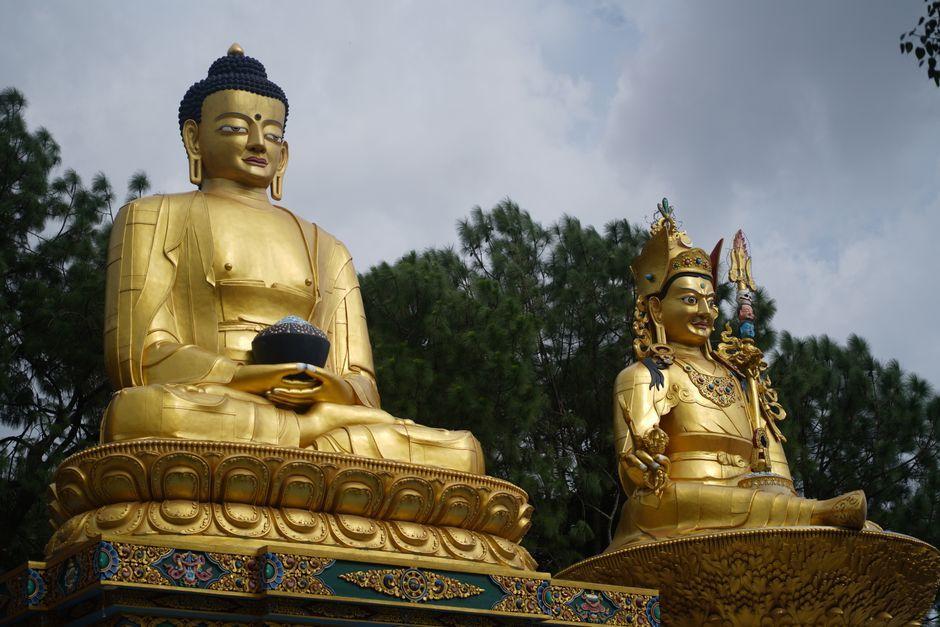
Explore the sacred Manakamana Temple in Nepal with our Complete Travel Guide. Discover cable car views of Annapurna, spiritual insights, and practical tips f...
**Complete Travel Guide to Manakamana Temple, Nepal**
**Engaging Introduction: A Sacred Journey Awaits**
Perched atop the picturesque Manakamana Hill in western Nepal, the Manakamana Temple stands as a beacon of spirituality and natural beauty. Dedicated to Bhagwati, the goddess of wishes fulfilled, this ancient shrine attracts pilgrims and adventurers from around the globe. The 2023 best time to visit is during the festival of Janai Purnima when the site comes alive with rituals and vibrant celebrations. Whether you're seeking blessings or mesmerizing views of the Annapurna Range, this temple promises a transformative experience. This Complete Travel Guide to Manakamana Temple will equip you with everything you need to plan your visit, from transportation tips to spiritual insights.
**Getting to Manakamana Temple: Transportation & Logistics**
**By Road**
The temple is approximately a 6-8 hour drive from Kathmandu. The road is well-maintained but can become narrow during peak traffic. Renting a private vehicle or joining a group tour is recommended. Key stops include Bhole and Laksar, offering scenic breaks along the way.
**By Cable Car (Popular Option)**
A cable car service runs from Nepalgunj to Manakamana, providing a thrilling aerial journey with panoramic views of the Annapurna Range. This 15-minute ride is ideal for those avoiding long drives. Tickets cost around $15-20 (NPR 2,000-2,500) each way.
**By Air (For Adventurers)**
Flights to Ghori Airport (20-minute drive from the temple) are available seasonally. From there, a 2-hour drive to Manakamana is required, though road conditions may vary.
**What to Expect at Manakamana Temple**
**Historical & Spiritual Significance**
The temple dates back to the 8th century and is one of the Chardham Shrines of Nepal. According to legend, the goddess Bhagwati appeared here to Gorakshanath, a sage. Pilgrims fast and offer prayers to seek her blessings. The temple’s black stone idol is highly revered.
**Architecture & Surroundings**
The temple features a rustic design blended with traditional Nepali carpentry. The hilltop location offers breathtaking sunrise/sunset views. Nearby, you’ll find modest prayer flags, monastery ruins, and a small museum highlighting local mythology.
**Crowds & Peak Seasons**
The temple gets busiest during Manakamana Jayanti (June) and Janai Purnima (July or August). Otherwise, mornings are quieter, allowing for a serene darshan (sacred viewing).
**Travel Tips for a Smooth Visit**
**Essential Advice**
- Dress Modestly: Cover shoulders and knees when entering the temple. Carry a scarf if needed.
- Pack Light: Comfortable shoes for climbing 867 stairs (or cable car alternative).
- Hire a Guide: They can share legends and hidden stories about the shrine.
- Respect Local Customs: Photography inside the temple may be restricted.
**Nearby Attractions**
- Lurisar Waterfall: A 30-minute drive away.
- Gadhimai Temple: Another sacred site in the region (1-hour drive).
- Triveni Gas:A local dairy to try traditional butter tea.
**Frequently Asked Questions (FAQs)**
Q: What are the temple’s visiting hours?
A: Open sunrise to sunset daily. Early mornings (6-9 AM) are ideal for darshan.
Q: Is there an entry fee?
A: No official fee, but donations are accepted. Cable car tickets are separate.
Q: Can I hire a taxi from Kathmandu?
A: Yes, but it’s a long drive. Private taxis cost $150-200 (NPR 15,000-20,000).
Q: What’s the best time to visit?
A: October-May (cool and clear skies). Avoid monsoon (June-September) due to road closures.
Q: Is accommodation available near the temple?
A: Limited. Stay in Nepalgunj (3-hour drive) or Lukla (5-hour drive) and commute.
**Conclusion: Embrace Spirituality and Adventure**
Visiting the Manakamana Temple is more than a pilgrimage—it’s a journey into Nepal’s natural and cultural heart. With its blend of devotion, awe-inspiring landscapes, and unique cable car access, this guide ensures you’re well-prepared for an unforgettable experience. Plan wisely, respect local traditions, and let Bhagwati’s blessings enrich your travels.