
Explore Kathmandu Nepal with our Complete Travel Guide to Kathmandu – uncover UNESCO sites, temples, culture, travel tips, and more!
Complete Travel Guide to Kathmandu
Engaging Intro
Kathmandu, the vibrant capital of Nepal, is a city where ancient traditions blend seamlessly with modern life. From the bustling streets of Thamel to the serene courtyards of Durbar Square, every corner offers a glimpse into a rich cultural tapestry. Whether you’re a history buff, a foodie, or a spiritual seeker, Kathmandu Nepal has something to captivate your senses. This Complete Travel Guide to Kathmandu will walk you through the must‑visit sites, practical travel advice, and insider tips to help you make the most of your trip.
1. Overview of Kathmandu
Kathmandu sits in the Kathmandu Valley, surrounded by the Himalayan foothills. The city is divided into three main districts: Kathmandu, Bhaktapur, and Patan. Each district boasts its own unique charm, but the heart of the city lies in the historic Kathmandu Durbar Square, a UNESCO World Heritage Site.
2. UNESCO World Heritage Sites
- Kathmandu Durbar Square – The former royal palace complex, featuring temples, courtyards, and the iconic Taleju Temple.
- Pashupatinath Temple – One of the most sacred Hindu temples dedicated to Lord Shiva, located on the banks of the Bagmati River.
- Boudhanath Stupa – A massive Buddhist stupa that serves as a pilgrimage center for Tibetan Buddhists.
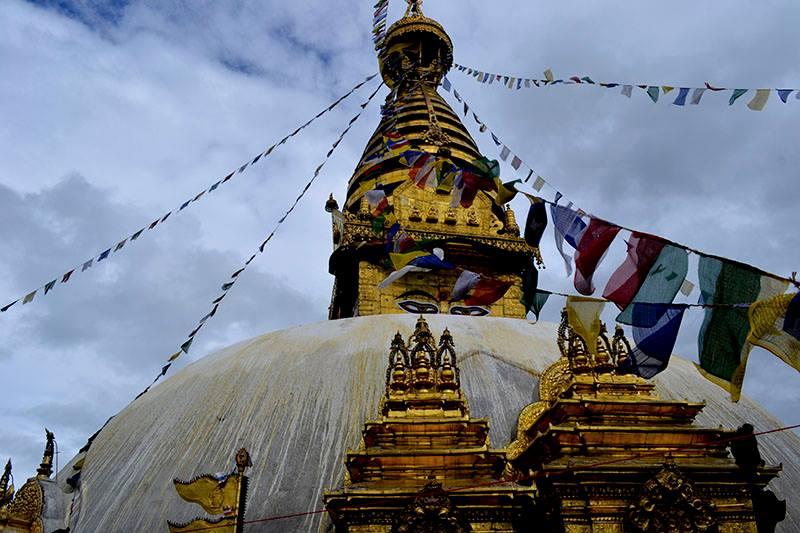
- Swayambhunath (Monkey Temple) – An ancient Buddhist stupa perched on a hill, offering panoramic views of the valley.
3. Temples and Spiritual Sites
Kathmandu is a spiritual hub. Here are the top temples you shouldn’t miss:
- Kailash Temple – A replica of the sacred Mount Kailash, located in the heart of the city.
- Kumari Ghar – Home to the living goddess, Kumari, who is worshipped by locals and tourists alike.
- Swayambhunath – Known as the Monkey Temple, it’s a blend of Buddhist and Hindu traditions.
4. Cultural Richness
Kathmandu’s culture is a mosaic of festivals, music, dance, and art. Key cultural experiences include:
- Indra Jatra – A week‑long festival featuring masked dances and the procession of the Kumari.
- Dashain – The longest and most important Hindu festival, celebrated with feasts and rituals.
- Tihar – The festival of lights, where homes are illuminated with diyas and candles.
5. Practical Travel Advice
5.1 Visa and Entry
- Most travelers require a visa. You can obtain a tourist visa on arrival at Tribhuvan International Airport or apply online via the e‑visa portal.
- Keep your passport valid for at least six months beyond your intended stay.
5.2 Currency and Payments
- The local currency is the Nepalese Rupee (NPR). ATMs are widely available in Kathmandu.
- Credit cards are accepted in many hotels and restaurants, but carry cash for smaller vendors.
5.3 Language
- Nepali is the official language. English is widely spoken in tourist areas.
- Learning a few basic Nepali phrases can enhance your interactions.
5.4 Health and Safety
- Stay hydrated and avoid street food that may not be prepared hygienically.
- Carry a basic first‑aid kit and any prescription medications.
- Keep an eye on your belongings in crowded areas.
6. Accommodation
Kathmandu offers a range of lodging options:
- Budget – Hostels and guesthouses in Thamel.
- Mid‑range – Boutique hotels in Durbar Square.
- Luxury – Five‑star resorts with spa facilities.
7. Food and Dining
Kathmandu’s culinary scene is diverse. Must‑try dishes include:
- Dal Bhat – Lentil soup with rice, a staple Nepali meal.
- Momo – Tibetan dumplings filled with meat or vegetables.
- Thukpa – Spicy noodle soup.
- Gundruk – Fermented leafy greens.
8. Transportation
- Airport – Tribhuvan International Airport is the main gateway.
- Taxi – Metered taxis are available; negotiate the fare beforehand.
- Ride‑hailing – Apps like Pathao and Sewa are popular.
- Public Bus – Affordable but can be crowded.
9. Safety Tips
- Avoid walking alone at night in unfamiliar areas.
- Use reputable tour operators for trekking or cultural tours.
- Keep copies of important documents in a separate location.
10. Best Time to Visit
- Spring (March‑May) – Pleasant weather and blooming rhododendrons.
- Autumn (September‑November) – Clear skies and vibrant festivals.
- Avoid monsoon season (June‑August) due to heavy rainfall.
11. Day Trips from Kathmandu
- Nagarkot – Sunrise views of the Himalayas.
- Bhaktapur – Known for its medieval architecture.
- Patan – Famous for its art and crafts.
- Chitwan National Park – Wildlife safari experience.
12. FAQs
Q1: Do I need a visa to visit Kathmandu?
A1: Yes, most travelers need a tourist visa. You can obtain it on arrival or online.
Q2: What is the best way to get around the city?
A2: Taxis, ride‑hailing apps, and local buses are convenient. For a local feel, walk in the historic districts.
Q3: Is it safe to eat street food?
A3: Choose vendors with high turnover and good hygiene practices. Avoid raw or undercooked items.
Q4: Can I visit the temples during festivals?
A4: Yes, but expect crowds. Arrive early and respect local customs.
Q5: What is the currency exchange rate?
A5: Check online or at banks; rates fluctuate daily.
13. Travel Tips
- Pack Light – Bring layers for varying temperatures.
- Respect Local Customs – Dress modestly when visiting temples.
- Stay Connected – Purchase a local SIM card for data and calls.
- Try Local Markets – Thamel and Asan are great for souvenirs.
- Plan Ahead – Book popular attractions in advance to avoid long queues.
Conclusion
Kathmandu Nepal is a city that invites exploration, reverence, and adventure. From its ancient temples and bustling markets to its serene monasteries and vibrant festivals, the city offers a kaleidoscope of experiences. By following this Complete Travel Guide to Kathmandu, you’ll navigate the city with confidence, immerse yourself in its cultural richness, and create memories that last a lifetime. Pack your curiosity, respect the local traditions, and let Kathmandu’s timeless charm unfold before you.