
Explore Janakpur Nepal with our Complete Travel Guide to Janakpur – temples, festivals, food, tips, and itineraries for a spiritual journey.
Complete Travel Guide to Janakpur
Introduction
Step into the sacred heart of the Mithila region, where the divine legends of Ram and Sita come to life amidst stunning architecture. Janakpur offers a soulful journey through ancient traditions, vibrant festivals, and a profound spiritual atmosphere that transcends time. This Complete Travel Guide to Janakpur will help you explore every facet of this holy city, from its iconic temples to its colorful Mithila art, ensuring you experience the true essence of Janakpur Nepal.
Overview of Janakpur
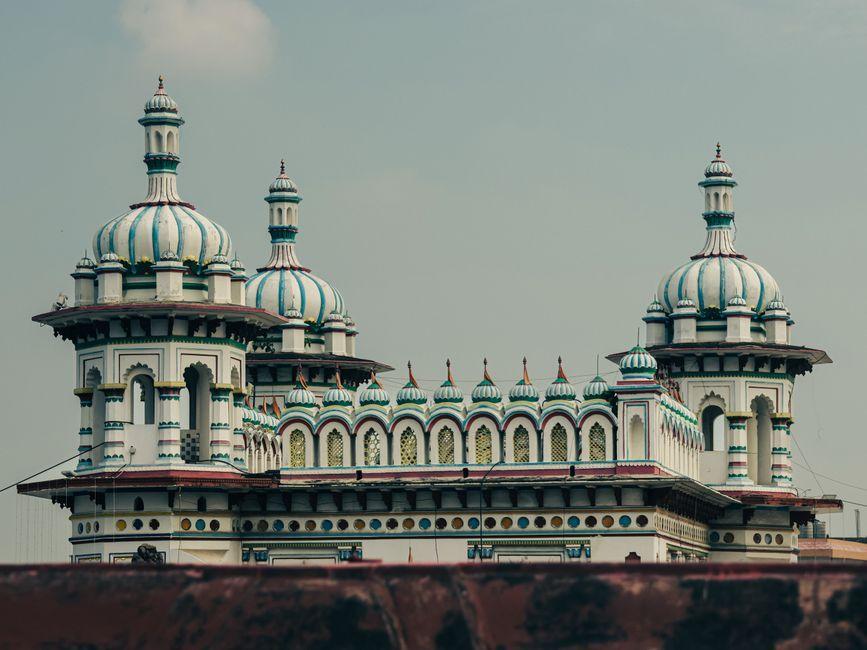
Located in the southeastern Terai plains of Nepal, Janakpur is the historic capital of the ancient Mithila kingdom. Revered as the birthplace of Goddess Sita and the site of her marriage to Lord Rama, the city attracts pilgrims and tourists alike. Janakpur is famous for its striking Mughal‑inspired temples, bustling markets, and a rich cultural heritage that includes traditional Maithili music, dance, and handicrafts. The city’s layout centers around the grand Janaki Mandir, a marble marvel that dominates the skyline and serves as a focal point for religious activities.
Getting There
By Air
The nearest airport is Janakpur Airport (JKR), which operates regular flights from Kathmandu and a few other domestic hubs. Flights from Kathmandu take about 25 minutes, offering a quick and scenic entry into the Terai. Upon arrival, taxis and rickshaws are readily available to take you into the city center.
By Road
Janakpur is well‑connected by highway to major cities. From Kathmandu, the journey follows the Prithvi Highway and then the East‑West Highway, covering roughly 400 km in 8‑10 hours by bus or private vehicle. Regular tourist buses and microbuses run between Kathmandu, Pokhara, and Janakpur. From the Indian border town of Jogbani, you can cross into Nepal and reach Janakpur in about 2 hours by road.
By Rail
Although Nepal’s railway network is limited, a short broad‑gauge line connects Janakpur to the Indian town of Jaynagar in Bihar. Cross‑border passenger services operate a few times weekly, providing an interesting option for travelers coming from India. Check the latest schedules before planning your trip.
Best Time to Visit
The ideal period to visit Janakpur is from October to March, when the weather is cool and dry. Temperatures range from 10 °C to 25 °C, making temple visits and outdoor exploration comfortable. The festive season peaks during Vivah Panchami (usually in November or December), when the city reenacts the divine wedding of Rama and Sita with grand processions, music, and dance. Avoid the monsoon months (June to September) if you prefer dry conditions, though the lush greenery during this time can be appealing for photography enthusiasts.
Top Attractions
Janaki Mandir
Janaki Mandir, also known as the Naulakha Temple, is the crown jewel of Janakpur. Built in 1910 by Queen Vrisha Bhanu of Tikamgarh, this three‑story marble temple rises 50 meters high and features intricate Rajasthani and Mughal architectural elements. The sanctum houses a beautiful idol of Goddess Sita, adorned with jewelry and silk garments. Visitors can climb the marble steps to reach the inner sanctum, offer prayers, and admire the detailed carvings depicting scenes from the Ramayana. The temple complex also includes a museum showcasing ancient artifacts, manuscripts, and traditional Mithila paintings.
Ram Mandir
Located just a short walk from Janaki Mandir, Ram Mandir honors Lord Rama, the beloved prince of Ayodhya. The temple’s architecture is simpler but equally elegant, with a towering shikhara and a serene courtyard. Daily aarti ceremonies draw devotees who chant bhajans and offer flowers. The temple’s premises often host religious discourses and cultural performances, especially during festival periods.
Vivah Mandap
Vivah Mandap, the sacred marriage pavilion, marks the exact spot where Lord Rama and Goddess Sita were wed according to legend. The structure is a modest yet profoundly significant platform surrounded by beautifully landscaped gardens. Pilgrims perform rituals here, seeking blessings for marital harmony and prosperity. The mandap is illuminated during Vivah Panchami, creating a magical atmosphere that captures the romance of the divine union.
Dhanush Sagar
Dhanush Sagar is a sacred pond believed to be the place where Lord Rama broke the divine bow of Shiva to win Sita’s hand. The serene water body is flanked by stone steps and small shrines. Visitors often take a peaceful walk around the pond, feed the fish, and reflect on the mythological episode. Early morning visits offer a tranquil experience with mist rising over the water, perfect for meditation and photography.
Other Notable Sites
- Ram Sita Bibaha Mandir: A modern complex that hosts exhibitions on Maithili culture and the Ramayana.
- Ganga Sagar: Another holy pond associated with ritual bathing.
- Janakpur Handicraft Center: Where you can observe artisans creating traditional Mithila paintings, pottery, and textile crafts.
- Bhadrakali Temple: Dedicated to the fierce goddess Kali, offering a contrasting spiritual vibe.
Cultural Experiences
Mithila Art
Janakpur is the heartland of Mithila (Madhubani) art, a distinctive painting style characterized by vibrant colors, geometric patterns, and motifs drawn from nature and mythology. Visit local workshops or the Janakpur Art Gallery to watch artists at work, and consider purchasing a piece as a souvenir. Many hotels and guesthouses also display Mithila murals on their walls, giving you an immersive feel of the region’s artistic legacy.
Festivals
Beyond Vivah Panchami, Janakpur celebrates numerous festivals with great fervor:
- Chhath Puja: Observed twice a year, devotees gather at the riverbanks to offer prayers to the Sun God, singing folk songs and performing rigorous rituals.
- Ram Navami: Marks the birth of Lord Rama with processions, bhajans, and special pujas at Ram Mandir.
- Durga Puja: Features elaborate idols, cultural performances, and community feasts.
- Holi: The festival of colors is celebrated with traditional Tharu dances and music, adding a lively splash to the city’s streets.
Participating in these festivals provides a deep insight into the living traditions of Janakpur Nepal.
Local Traditions
Engage with the Maithili community by attending a traditional wedding ceremony, where you can witness elaborate rituals, folk songs, and the iconic jori dance. Visit a local market to sample fresh produce, spices, and handcrafted goods. If you have the chance, join a cooking class to learn how to prepare authentic Maithili dishes such as dhikri (rice flour dumplings), thelkuwa (sweet fried snacks), and various lentil curries.
Food and Dining
Janakpur’s culinary scene reflects its agrarian roots and cultural diversity. Staples include rice, lentils, vegetables, and wheat‑based breads. Must‑try dishes:
- Dal Bhat: The classic Nepali lentil soup with rice, often accompanied by pickles and greens.
- Maithili Thali: A platter featuring seasonal vegetables, curries, yogurt, and sweets like peda and rasgulla.
- Sel Roti: A sweet, ring‑shaped rice bread popular during festivals.
- Chow Mein: Influenced by Indian and Tibetan flavors, available at many street stalls.
- Lassi: A refreshing yogurt drink, served sweet or salty.
For a memorable dining experience, visit restaurants near the temple area that offer rooftop seating with views of the marble spires. Street food stalls in the bustling bazaar provide affordable and tasty options, especially in the evenings.
Accommodation
Janakpur offers a range of lodging options to suit different budgets:
- Budget Guesthouses: Clean, family‑run establishments near the railway station, offering basic amenities and warm hospitality (approx. $10‑$15 per night).
- Mid‑Range Hotels: Hotels such as Hotel Welcome, Hotel Shree Krishna, and Hotel Himalaya provide comfortable rooms, Wi‑Fi, and in‑house restaurants ($25‑$45 per night).
- Heritage Stays: Some renovated havelis (traditional homes) have been converted into boutique guesthouses, featuring Mithila artwork on walls and courtyards ($50‑$80 per night).
- Luxury Options: While limited, a few upscale hotels near the airport offer spa services, fine dining, and guided temple tours ($80‑$120 per night).
Booking in advance is recommended during peak festival periods.
Practical Travel Tips
- Language: Maithili and Hindi are widely spoken; Nepali is understood in official settings. Learning a few basic greetings in Maithili (e.g., 'Ram Ram' for hello) can go a long way.
- Currency: The Nepalese rupee (NPR) is the official currency. ATMs are available in the city center, but carry cash for small vendors and temple offerings.
- Safety: Janakpur is generally safe for tourists. Keep an eye on belongings in crowded markets and respect local customs, especially dress modestly when visiting temples (cover shoulders and knees).
- Transport Within City: Cycle rickshaws, auto‑rickshaws, and shared tempos are convenient for short distances. For greater flexibility, consider hiring a private car with a driver.
- Health: Drink bottled or filtered water. Carry a basic medical kit for minor ailments. The city has pharmacies and a few private clinics; for serious issues, Kathmandu’s hospitals are the best referral centers.
- Dress Code: Lightweight cotton clothing is ideal for the Terai climate. When entering temples, remove shoes and avoid leather items.
- Connectivity: Mobile coverage is good; purchasing a local SIM card (NTC or Ncell) provides affordable data.
Suggested Itinerary (2‑3 Days)
Day 1 – Arrival & Temple Exploration
- Morning: Arrive via flight or bus, check into your hotel.
- Late morning: Visit Janaki Mandir, explore the museum and marble halls.
- Afternoon: Lunch at a local eatery, then proceed to Ram Mandir and Vivah Mandap.
- Evening: Stroll around Dhanush Sagar, enjoy the sunset, and attend the aarti at Janaki Mandir.
Day 2 – Cultural Immersion
- Morning: Join a guided tour of a Mithila art workshop; try your hand at painting.
- Midday: Explore the Janakpur Handicraft Center and shop for souvenirs.
- Afternoon: Visit Ganga Sagar and Bhadrakali Temple for a varied spiritual experience.
- Evening: If your visit coincides with a festival, participate in the celebrations; otherwise, enjoy a traditional Maithili dinner with live folk music.
Day 3 – Day Trip or Departure
- Option A: Take a short trip to the nearby wildlife reserve of Koshi Tappu (approximately 2‑hour drive) for bird watching and nature walks.
- Option B: Explore the local markets more deeply, sample street food, and relax at a café.
- Afternoon: Head to the airport or bus station for your onward journey.
FAQs
Q1: Is Janakpur suitable for solo travelers?
A: Yes, Janakpur is welcoming to solo tourists. The town’s compact size makes it easy to navigate, and locals are generally helpful. Standard safety precautions apply.
Q2: Do I need a visa to visit Janakpur if I am coming from India?
A: Indian nationals do not require a visa for Nepal. Carry a valid passport or an official ID for entry.
Q3: Are there any restrictions on photography inside temples?
A: Photography is usually allowed in the outer courtyards but may be prohibited inside the sanctum sanctorum. Look for signage or ask temple authorities before clicking pictures.
Q4: What is the best way to experience Mithila art?
A: Visit the Janakpur Art Gallery or arrange a workshop visit where artists demonstrate techniques. Purchasing a small painting directly supports local artisans.
Q5: Can I use credit cards in Janakpur?
A: Larger hotels and restaurants accept cards, but many small shops and street vendors prefer cash. Keep enough NPR on hand for daily expenses.
Q6: Are there any health precautions I should take?
A: Drink only bottled or purified water, avoid raw street food if you have a sensitive stomach, and use sunscreen due to strong sunlight in the Terai plains.
Q7: How far is Janakpur from Kathmandu by road?
A: Approximately 400 km, taking about 8‑10 hours depending on traffic and road conditions.
Conclusion
Janakpur Nepal is more than just a pilgrimage destination; it is a living canvas where mythology, art, and community intertwine. From the awe‑inspiring spires of Janaki Mandir to the rhythmic beats of Maithili folk songs, every corner of the city invites you to pause, reflect, and celebrate the timeless story of Rama and Sita. With this Complete Travel Guide to Janakpur, you now have the practical knowledge, cultural insights, and itinerary ideas to embark on a meaningful journey that will leave you with lasting memories and a deeper appreciation of Nepal’s rich spiritual heritage. Pack your bags, set your intentions, and let the sacred charm of Janakpur guide your adventure.