
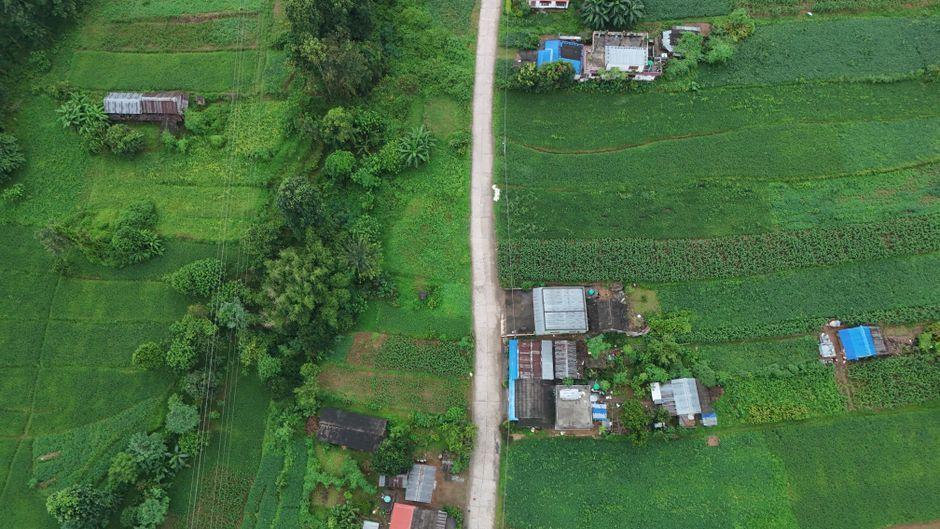
Discover Gorkha Nepal's royal heritage, temples, trekking trails, and local culture in this complete travel guide.
Complete Travel Guide to Gorkha
Introduction
Welcome to the ultimate Complete Travel Guide to Gorkha, your comprehensive resource for exploring one of Nepal’s most historic and scenic destinations. Nestled on a ridge above the Trisuli River valley, Gorkha Nepal offers a blend of royal heritage, spiritual sites, and breathtaking mountain vistas. Whether you are a history enthusiast eager to walk the halls of the Gorkha Durbar, a trekker seeking foothill trails, or a cultural traveler interested in ancient festivals, this guide provides everything you need to plan an unforgettable trip.
Why Visit Gorkha Nepal?
Gorkha is more than just a town; it is the birthplace of the Shah dynasty that unified Nepal. The legendary Gorkha soldiers, known worldwide for their bravery, originated here. Today, visitors can explore the well‑preserved palace complex, ancient temples, and vibrant local markets. The surrounding hills provide excellent opportunities for short hikes, bird watching, and panoramic views of the Himalayas on clear days.
Getting There
By Air
The nearest airport is Tribhuvan International Airport in Kathmandu. From Kathmandu, you can take a domestic flight to Pokhara and then a bus or private vehicle to Gorkha, a journey of about 4-5 hours.
By Road
Regular bus services run from Kathmandu’s Gongabu Bus Park to Gorkha. The drive takes approximately 5-6 hours along the Prithvi Highway, offering scenic river views. Private taxis and rented cars are also available for a more flexible schedule.
Local Transport
Within Gorkha town, walking is the best way to explore the compact center. For trips to nearby villages or trailheads, local jeeps and shared taxis operate frequently.
Best Time to Visit
The ideal months to visit Gorkha Nepal are October to November and March to April. During these periods, the weather is mild, skies are clear, and the rhododendron forests bloom. Winter (December-February) can be chilly, especially at higher elevations, while the monsoon (June-September) brings heavy rains that may hinder travel.
Top Attractions
Gorkha Durbar (Gorkha Palace)
Perched on a hilltop, the Gorkha Durbar is the crown jewel of the town. Built in the 16th century, this former royal residence showcases traditional Newari architecture, intricate wood carvings, and historic artifacts. Visitors can explore the palace museum, which displays weapons, royal garments, and photographs of the Shah kings. The panoramic viewpoint from the durbar offers sweeping vistas of the Himalayan foothills.
Gorakhkali Temple
Dedicated to the goddess Gorakhkali, this temple is an important pilgrimage site for locals. The temple’s architecture features a pagoda style with ornate metalwork. Festivals such as Dashain see the temple come alive with rituals and music.
Gorkha Bazaar
Stroll through the bustling bazaar to experience daily life. Shops sell handicrafts, spices, and traditional garments. It’s also a great place to sample local snacks like sel roti and chatamari.
Manakamana Temple (Day Trip)
Although slightly outside Gorkha, the famous Manakamana Temple is accessible via a cable car from Kurintar. Many travelers combine a visit to Gorkha with a day trip to this wish‑fulfilling shrine.
Trekking Routes
- Gorkha to Sirubari: A moderate 2‑day trek that passes through terraced fields and traditional Gurung villages.
- Gorkha Hill Station Trail: A short hike to a viewpoint that offers sunrise views over the Annapurna range on clear mornings.
- Buddha Hill Trek: Leads to a small stupa with panoramic views of the Trisuli valley.
Cultural Experiences
Festivals
- Gorkha Jatra: Celebrated in April, featuring chariot processions, traditional dances, and local cuisine.
- Tihar (Deepawali): The festival of lights illuminates homes and temples with oil lamps and colorful rangoli.
Handicraft Workshops
Visitors can join workshops to learn pottery, weaving, and Thangka painting from local artisans. These sessions provide insight into the skills passed down through generations.
Adventure Activities
Beyond trekking, Gorkha offers:
- Mountain Biking: Rugged trails suitable for intermediate riders.
- Paragliding: Tandem flights from nearby hills provide aerial views of the valley.
- Rock Climbing: Small crags around the durbar area are ideal for beginners.
Food and Dining
Must‑Try Dishes
- Dal Bhat: Lentil soup with rice, the staple Nepali meal.
- Gorkha Thali: A platter featuring local curries, pickles, and yogurt.
- Sel Roti: Sweet rice‑fried bread, perfect with tea.
- Chatamari: Often called Nepali pizza, a rice flour crepe topped with minced meat or vegetables.
Recommended Eateries
- Hotel Gorkha View: Offers a rooftop restaurant with panoramic vistas.
- Bhanchha Ghar: Known for authentic Newari cuisine.
- Local Tea Shops: Ideal for trying butter tea and chatting with locals.
Accommodation Options
Budget
- Gorkha Guest House: Clean rooms, friendly staff, close to the bazaar.
- Himalaya Lodge: Basic amenities with a garden setting.
Mid‑Range
- Hotel Gurkha: Comfortable rooms, hot water, and a restaurant serving Indian and Nepali dishes.
- Gorkha Resort: Offers panoramic views and guided tour arrangements.
Luxury
- Mountain View Resort: Deluxe suites, spa services, and organized trekking packages.
- Heritage Palace Stay: A restored heritage building offering a royal experience.
Practical Travel Tips
- Currency: Nepalese Rupee (NPR). Carry small bills for market purchases.
- Language: Nepali is widely spoken; English is understood in hotels and tourist spots.
- Health: Drink bottled or purified water. Altitude sickness is not a concern as Gorkha lies at ~1,100 m.
- Safety: The town is generally safe. Keep valuables secure and be cautious on mountain roads after rain.
- Connectivity: Mobile coverage is good; consider buying a local SIM for data.
- Respect: Remove shoes before entering temples, dress modestly, and ask permission before photographing people.
Frequently Asked Questions (FAQs)
Q1: How many days should I spend in Gorkha?
A: Two to three days are sufficient to see the main attractions, enjoy a short trek, and experience local culture. Add an extra day if you wish to visit Manakamana Temple.
Q2: Is Gorkha suitable for solo travelers?
A: Yes. The town is welcoming, and many guesthouses cater to solo backpackers. Guided tours are also available for added security.
Q3: What should I pack for a trip to Gorkha?
A: Pack lightweight clothing for daytime, a warm jacket for evenings, sturdy walking shoes, sunscreen, a hat, and a reusable water bottle. If trekking, include a rain jacket and trekking poles.
Q4: Are there ATMs in Gorkha?
A: Limited ATM availability exists in the main bazaar; it’s wise to withdraw cash in Kathmandu or Pokhara before arriving.
Q5: Can I hire a guide for the Gorkha Durbar tour?
A: Yes. Local guides can be hired at the entrance or through your accommodation; they provide historical context and stories about the Shah dynasty.
Conclusion
Gorkha Nepal is a destination where history, spirituality, and natural beauty converge. From the majestic Gorkha Durbar to the lively bazaar and scenic trekking trails, this Complete Travel Guide to Gorkha has equipped you with the knowledge to plan a memorable journey. Whether you are tracing the footsteps of the legendary Gorkha soldiers, seeking tranquility in ancient temples, or simply enjoying the warm hospitality of the locals, Gorkha promises an enriching experience that will linger long after you leave. Pack your bags, set your itinerary, and discover the timeless charm of this Himalayan gem.