
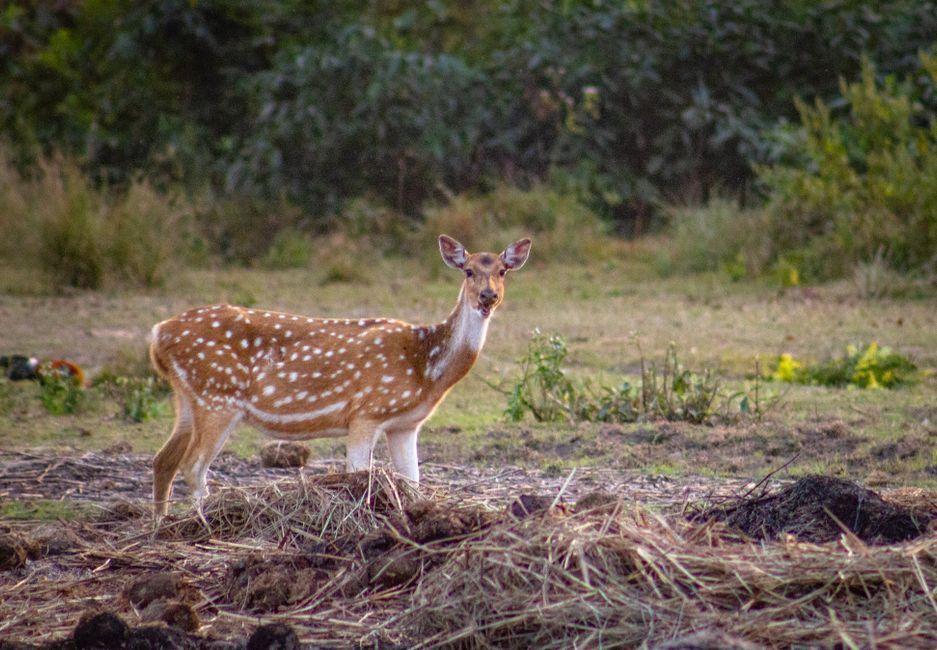
Discover the ultimate guide to Bardia National Park Nepal – safaris, wildlife, travel tips, and everything you need for an unforgettable adventure.
Complete Travel Guide to Bardia National Park
Introduction
Nestled in the far‑western Terai of Nepal, Bardia National Park is a hidden treasure for wildlife lovers, photographers, and adventure seekers. Covering an area of 968 square kilometers, the park protects a mosaic of Sal forests, grasslands, and riverine ecosystems along the mighty Karnali River. Designated a UNESCO Biosphere Reserve, Bardia offers some of the best chances in South Asia to spot the Bengal tiger, the one‑horned rhinoceros, wild Asian elephants, and the elusive swamp‑dwelling elephant. This guide provides everything you need to plan a safe, enjoyable, and unforgettable trip to Bardia National Park.\n
Quick Facts
- Location: Far‑western Terai, Nepal (Districts of Bardiya and Banke)
- Area: 968 km²
- Established: 1988 (as a national park)
- UNESCO Status: Biosphere Reserve (since 2003)
- Key Species: Bengal tiger, Asian elephant, one‑horned rhinoceros, swamp deer, gharial, over 400 bird species
- Nearest Town: Thakurdwara (park entrance)
- Best Time to Visit: October to early April
When to Go
The park experiences a tropical monsoon climate. The ideal window for wildlife viewing is the dry season, from October through early April. During these months:
- Temperatures range from 10 °C to 30 °C, making safaris comfortable.
- Grass is short, improving visibility.
- Water sources concentrate wildlife, increasing tiger and elephant sightings.
Avoid the monsoon months (June to September) when heavy rains render many trails impassable and increase the risk of leeches and flooding.
How to Reach Bardia National Park
By Air
The fastest route is to fly from Kathmandu to Nepalgunj Airport (approx. 1 hour). From Nepalgunj, hire a private jeep or take a local bus to the park entrance at Thakurdwara (about 4‑5 hours drive, 150 km).
By Road
- From Kathmandu: Take a bus or hire a vehicle to Nepalgunj (≈ 12‑14 hours, 500 km). Continue to Thakurdwara as above.
- From Pokhara: Similar route via Kathmandu or via the Mahendra Highway (longer).
Local Transport
Once in Thakurdwara, you can arrange jeep safaris, elephant rides, or guided walks through your lodge or a licensed tour operator. Motorbikes are available for rent but are not recommended for deep‑forest safaris.
Where to Stay
Bardia offers a range of accommodation options, from budget guesthouses to eco‑lodges that support conservation.
Eco‑Lodges (Recommended)
- Bardia Wildlife Lodge – Situated near the park boundary, offers guided jeep and elephant safaris, comfortable rooms, and meals sourced locally.
- Tiger Tops Bardia Lodge – Known for its responsible tourism practices, provides naturalist guides and cultural programs with the Tharu community.
Mid‑Range Hotels
- Hotel Jungle Vista – Clean rooms, restaurant, and easy access to jeep safari pick‑up points.
- Hotel Sapana Village – Family‑run, offers Tharu cultural evenings.
Budget Options
- Guesthouses in Thakurdwara – Basic rooms, shared bathrooms, and home‑cooked meals. Ideal for backpackers.
Things to Do
Bardia National Park variety of activities that Safari
All wildlife activities must be conducted with a licensed guide and vehicle. You can book:
- Jeep Safaris (half‑day or full‑day) – Best for tiger tracking and birdwatching.
- Elephant Safaris – Traditional way to traverse grasslands; note ethical considerations and choose operators that prioritize elephant welfare.
- Walking Safaris – Led by experienced naturalists; ideal for spotting smaller mammals, reptiles, and birdlife.
- Boat Rides on the Karnali River – Excellent for spotting gharial crocodiles, otters, and waterbirds.
It is advisable to book at least 2‑3 days in advance, especially during peak season (November‑February).
Wildlife to Spot
Mammals
- Bengal Tiger – The park’s flagship species; early morning and late afternoon drives increase chances.
- Asian Elephant – Includes the rare swamp‑dwelling elephant adapted to marshy areas.
- One‑horned Rhinoceros – Reintroduced population; often seen near waterholes.
- Swamp Deer (Barasingha) – Endemic to the Terai grasslands.
- Leopard, Sloth Bear, Wild Boar, Hog Deer, Sambar, and Nilgai.
Birds
With over 400 recorded species, Bardia is a birdwatcher’s paradise. Look for:
- Great Hornbill, White‑rumped Vulture, Bengal Florican (critically endangered), Pallas’s Fish Eagle, Indian Peafowl, and various kingfishers, bee‑eaters, and migratory waterfowl.
Reptiles & Amphibians
- Gharial and Mugger crocodile in the Karnali.
- Indian Python, Common Krait, and various turtles.
Cultural Experiences
The park borders Tharu villages, offering visitors a chance to learn about the indigenous Tharu culture.
- Tharu Village Walk – Observe traditional homes, farming practices, and handicrafts.
- Cultural Dance Shows – Evening performances featuring stick dances and drumming.
- Homestay Options – Stay with a Tharu family for an immersive experience (arrange through lodges).
Practical Travel Tips
- Permits: All visitors must obtain an entry permit at the park gate (cost varies for foreigners and SAARC nationals). Your lodge usually handles this.
- Guides: Hire a naturalist guide licensed by the Department of National Parks and Wildlife Conservation (DNPWC).
- Clothing: Wear neutral colors (khaki, olive, brown). Long sleeves and pants protect against insects and sun.
- Footwear: Sturdy walking shoes or boots; sandals are not suitable for safaris.
- Health: Bring a basic medical kit, insect repellent (DEET), sunscreen, and rehydration salts. Malaria risk is low but present; consult your doctor about prophylaxis.
- Water: Drink only bottled or purified water.
- Connectivity: Mobile coverage is patchy inside the park; consider purchasing a local NTC or Ncell SIM in Nepalgunj.
- Respect Wildlife: Maintain a minimum distance of 30 m from tigers and elephants. Never feed animals.
- Leave No Trace: Carry out all trash; use designated toilets.
- Photography: Use a telephoto lens (300mm+ for mammals). Flash is prohibited near wildlife.
Sample 3‑Day Itinerary
Day 1 – Arrival & Orientation
- Morning flight Kathmandu → Nepalgunj.
- Transfer to Thakurdwara (jeep).
- Check‑in at lodge, lunch.
- Afternoon nature walk near the lodge (birdwatching).
- Evening briefing on park rules and safari logistics.
Day 2 – Full‑Day Jeep Safari
- Early morning (5:30 am) jeep safari into the core zone (tiger tracking).
- Packed breakfast.
- Mid‑day break at a waterhole (rhino and elephant viewing).
- Afternoon safari focusing on grasslands and birdlife.
- Return to lodge, dinner, and optional Tharu cultural show.
Day 3 – River & Village Experience
- Morning boat ride on the Karnali River (gharial, otters, waterbirds).
- Visit a Tharu village, learn about traditional farming and handicrafts.
- Lunch with a local family.
- Afternoon walking safari in the buffer zone (spotting deer, peafowl, reptiles).
- Depart for Nepalgunj → Kathmandu flight.
Frequently Asked Questions
Q1: Is Bardia safe for solo travelers?
A: Yes, the park is considered safe. Solo travelers often join group safaris arranged by lodges. Always inform your lodge of your itinerary and travel with a licensed guide.
Q2: What is the chance of seeing a tiger?
A: Tiger sightings are never guaranteed, but Bardia has one of the highest densities of tigers in Nepal. During the dry season, the probability of a sighting on a full‑day jeep safari is estimated at 30‑40 %.
Q3: Can I visit Bardia during the monsoon?
A: The park remains open, but many trails become muddy and leech‑infested. Wildlife viewing is difficult due to tall grass and dispersed animals. It is not recommended for first‑time visitors.
Q4: Are there ATMs in Thakurdwara?
A: Limited ATM availability; it’s wise to withdraw sufficient cash in Nepalgunj or Kathmandu before heading to the park.
Q5: What should I pack for a safari?
A: Pack light, neutral‑colored clothing, a hat, sunglasses, sturdy boots, insect repellent, sunscreen, a reusable water bottle, a basic first‑aid kit, binoculars, and a camera with extra batteries and memory cards.
Conclusion
Bardia National Park offers an authentic, off‑the‑beaten‑path wildlife experience that rivals more famous destinations in South Asia. Its pristine habitats, healthy tiger population, and rich cultural tapestry make it a must‑visit for anyone seeking adventure, tranquility, and a deep connection with nature. By planning your visit during the dry season, choosing responsible accommodation and guides, and respecting the park’s rules, you’ll contribute to the conservation of this remarkable ecosystem while creating memories that last a lifetime.
Start planning your journey to Bardia National Park today – the roar of the tiger and the gentle sway of elephant grass await!