
Discover Boudhanath Stupa in Nepal with a comprehensive trekking and adventure guide. Explore cultural sites, nearby treks, and practical travel tips for an ...
Boudhanath Stupa Trekking & Adventure Guide
Introduction
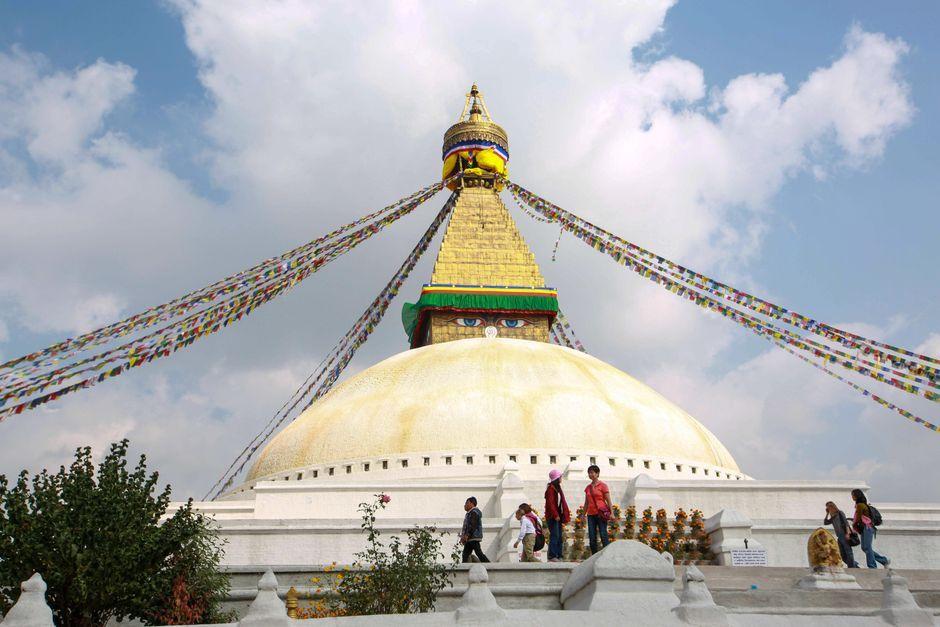
Boudhanath Stupa, a towering white dome crowned with the all-seeing eyes of Buddha, is one of Nepal's most iconic spiritual landmarks. Located in the heart of Kathmandu Valley, this UNESCO World Heritage Site offers a unique blend of Buddhist devotion, cultural immersion, and adventure opportunities. Whether you're seeking meditation under the gentle gaze of the stupa or planning a trek through the Himalayas, this guide provides everything you need to explore Boudhanath Stupa Nepal with purpose and excitement.
Cultural and Spiritual Significance
A Historic Landmark
Built between the 5th and 9th centuries AD, Boudhanath Stupa is one of the largest spherical stupas in Nepal. Its architecture reflects Tibetan Buddhist influences, with the 13-story spire symbolizing Mount Meru, the cosmic mountain in Buddhist cosmology. The all-seeing eyes of Buddha, painted on the dome, are believed to watch over devotees and remind them to remain conscious of their actions.
Rituals and Symbolism
Surrounding the stupa are 108 prayer wheels, colorful prayer flags, and monasteries where monks chant mantras. The circular path around the stupa (Parikrama) is a sacred ritual, where pilgrims circumambulate clockwise while offering prayers. The stupa itself represents a mandala, embodying the universe's harmony.
Trekking and Adventure Opportunities
Day Trips and Hiking
While Boudhanath itself is a serene destination, it serves as a gateway to adventure. Nearby treks include:
- Sagarmatha (Everest) Base Camp Trek: A multi-day journey starting from Kathmandu, passing through rhododendron forests and glaciers.
- Kathmandu Valley Hikes: Explore viewpoints like Nagarjun or Phulchowki for panoramic views of the Himalayas.
Adventure Sports
The region offers activities such as:
- Paragliding: Soar over the Kathmandu Valley from nearby hills.
- White-water Rafting: Experience rapids on the Trishuli River, a short drive from Boudhanath.
- Cycling: Bike trails connect Kathmandu to neighboring towns, offering scenic routes.
Cultural Immersion
Stay in local guesthouses or monasteries to engage with Tibetan and Nepali communities. Attend monk chanting sessions or participate in festivals like Buddha Jayanti for a deeper understanding of local traditions.
Travel Tips
Best Time to Visit
Visit during spring (March–May) or autumn (September–November) for clear skies and mild weather. Avoid monsoon seasons (June–August) due to road closures and flooding.
Practical Advice
- Permits: No special permit is needed to visit Boudhanath, but treks beyond the valley require registration.
- Dress Code: Modest clothing is required when entering monasteries or circling the stupa.
- Transport: Use local buses or taxis to reach Boudhanath from Kathmandu (30-minute drive).
FAQs
Q: Can foreigners enter the stupa?
A: Yes, but donations are required, and relations with monks are encouraged.
Q: What treks start from Boudhanath?
A: While Boudhanath is a spiritual hub, it’s a common starting point for Kathmandu-based treks like Everest Base Camp.
Q: Is photography allowed inside the stupa?
A: Photography is permitted, but respectful behavior is expected.
Conclusion
Boudhanath Stupa is more than a religious site; it’s a doorway to Nepal’s rich cultural tapestry and adventure landscapes. Whether you’re meditating inside its sacred halls or embarking on a trek to the Everest region, this guide ensures you experience Boudhanath Stupa Nepal in its fullest glory. Plan wisely, respect local customs, and let the all-seeing eyes of Buddha guide your journey.
Key Highlights
- Explore Buddhist spirituality and Tibetan culture
- Combine temple visits with Himalayan treks
- Enjoy adventure sports like paragliding and rafting
- Practical advice for hassle-free travel