
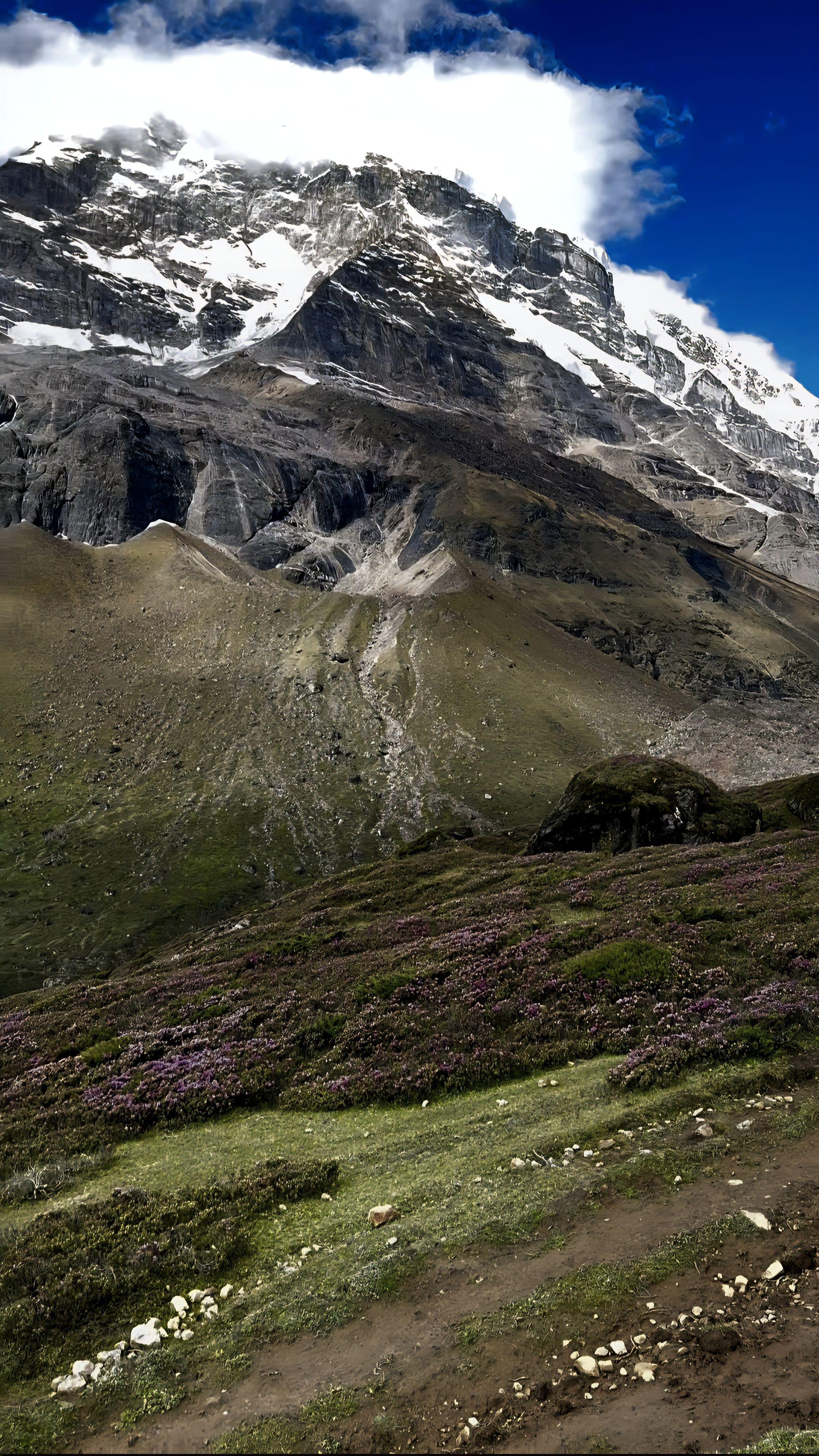
Best time to visit Sankhuwasabha District, Eastern Nepal for trekking and scenery.
Best Time to Visit Sankhuwasabha District, Province No. 1, Eastern Nepal
Sankhuwasabha District, Province No. 1, Eastern Nepal Nepal is a remote and captivating region nestled in the eastern Himalayas. This district serves as the gateway to the spectacular Makalu Base Camp, one of the most adventurous trekking destinations in Nepal. Understanding the best time to visit Sankhuwasabha District is essential for travelers who wish to experience its pristine landscapes, diverse wildlife, and unique cultural heritage. The best time to visit Sankhuwasabha District, Province No. 1, Eastern Nepal is during the spring and autumn months. In this comprehensive guide, we explore seasonal weather patterns, trekking conditions, necessary permits, accommodation options, safety considerations, and practical travel tips to help you plan an unforgettable journey.
Why Choose Sankhuwasabha District?
- Untouched Nature: The area remains largely unspoiled, offering pristine forests, alpine meadows, and crystal‑clear rivers.
- Majestic Peaks: Mount Makalu (8,485 m), the fifth highest mountain in the world, dominates the skyline, along with Everest, Lhotse, and Chamlang visible on clear days.
- Cultural Richness: Traditional Sherpa villages, ancient monasteries, and vibrant festivals provide immersive cultural experiences.
- Adventure Opportunities: From challenging high‑altitude treks to wildlife spotting, the district caters to all levels of outdoor enthusiasts.
Seasonal Overview
Spring (March – May)
Spring is widely regarded as the prime season for trekking in Sankhuwasabha District. Average daytime temperatures range from 12 °C to 22 °C, while nights can be cooler, dropping to around 5 °C. The rhododendron forests burst into bloom, painting the hillsides in vivid reds and pinks. The weather is generally stable, with clear skies providing excellent visibility of the surrounding peaks. Daylight hours are sufficient for long treks, and the trails are free of snow, making this period ideal for both novice and experienced trekkers.
Autumn (September – November)
Autumn offers another excellent window for visiting Sankhuwasabha District. Temperatures are mild, ranging from 10 °C to 18 °C, and the humidity is low. The monsoon rains have subsided, leaving the landscape fresh and clean. The skies are typically clear, affording breathtaking views of Mount Makalu and the Everest massif. This season is popular among trekkers due to the comfortable climate and the vibrant colors of the changing foliage.
Winter (December – February)
Winter brings colder conditions, with temperatures at higher altitudes often falling below freezing. While the lower elevations remain accessible, higher passes may be covered in snow, making trekking more challenging. However, the clear skies and crisp air can reward adventurers with spectacular panoramic views. Travelers should be prepared for icy trails and potential delays due to weather.
Summer (June – August)
The summer months coincide with the monsoon season, bringing heavy rainfall and high humidity. Trails can become muddy and slippery, increasing the risk of accidents. Despite the lush greenery, many trekkers avoid this period due to the unfavorable weather. However, the region's flora is at its most vibrant, and the waterfalls are at their most powerful, which can be appealing for photographers and nature lovers.
Detailed Weather Patterns
Sankhuwasabha District experiences a subtropical highland climate influenced by its altitude and the monsoon. The average annual temperature is approximately 15 °C, but it varies significantly with elevation. The district receives most of its precipitation between June and September, with annual rainfall averaging 1,500 mm. Understanding these patterns helps in planning the itinerary and packing appropriate gear.
Permits and Regulations
To trek in Sankhuwasabha District, you must obtain a Makalu Base Camp trekking permit from the Department of Immigration in Kathmandu or the regional office in Tumlingtar. Additionally, a TIMS (Trekkers' Information Management System) card is required for all trekkers. It is advisable to apply for these permits at least two weeks before departure. The park entry fee for Makalu Barun National Park is also applicable.
Getting There
The primary gateway to Sankhuwasabha District is Tumlingtar Airport, which offers daily flights from Kathmandu. The flight duration is about 45 minutes, providing scenic views of the Himalayas. From Tumlingtar, you can travel to the trailhead by bus, jeep, or private vehicle. The road condition is generally fair, but it can be affected by landslides during the monsoon season.
Accommodation Options
In Tumlingtar and Khandbari
- Hotels: Several mid‑range hotels provide comfortable rooms, hot showers, and Wi‑Fi.
- Guesthouses: Budget‑friendly options with basic amenities.
Along the Trekking Route
- Teahouses: Simple lodges offering meals and lodging. They are typically run by local families and provide a cultural immersion.
- Camping: For those who prefer camping, designated campsites are available, but you must bring your own equipment.
Culinary Experiences
The cuisine in Sankhuwasabha District reflects the diverse influences of the region. Staple dishes include dal bhat (lentil soup with rice), momo (dumplings), and thukpa (noodle soup). Freshly caught trout from mountain streams is a local specialty. It is advisable to drink boiled or filtered water to avoid waterborne illnesses.
Health and Safety
- Altitude Sickness: Acclimatization is crucial. Consider spending a day at intermediate elevations such as Num or Sedu.
- Medical Facilities: The nearest hospital is in Tumlingtar. Carry a personal first‑aid kit and any prescription medications.
- Insurance: Comprehensive travel insurance covering trekking and emergency evacuation is strongly recommended.
- Weather Preparedness: Pack layers, waterproof jacket, gloves, and a hat to adapt to changing conditions.
Cultural Considerations
Respect local customs and traditions. When entering monasteries or homes, remove your shoes. Ask permission before photographing locals. The Sherpa community is known for its hospitality, and offering a small gift or donation is appreciated.
Environmental Impact
The fragile ecosystem of Sankhuwasabha District requires careful stewardship. Practice the principles of Leave No Trace: carry out all waste, use designated toilets, and avoid single‑use plastics. Supporting eco‑friendly lodges helps preserve the region's natural beauty.
Guided Treks and Porters
Hiring a knowledgeable guide can enhance your experience by providing historical insights, navigation assistance, and cultural context. Porters are available to carry heavy loads, but ensure they are treated fairly and paid appropriately. Many agencies in Tumlingtar offer guided packages that include meals and accommodation.
Cost Estimation
- Permits: Approximately $30 for the park entry fee.
- Guide and Porter: $25–$35 per day, including meals.
- Accommodation: $5–$15 per night in teahouses.
- Food: $10–$20 per day.
- Transportation: Round‑trip flight $150–$200; ground transport $50–$100.
Budgeting accordingly ensures a comfortable trek without financial stress.
Sample Itinerary
- Day 1: Arrive in Tumlingtar, transfer to hotel.
- Day 2: Drive to Mera (2,800 m), begin trek.
- Days 3‑5: Trek through rhododendron forests to Num.
- Days 6‑9: Ascend to Sedu, acclimatize.
- Days 10‑12: Cross Barun La Pass (5,200 m).
- Days 13‑15: Reach Makalu Base Camp (4,800 m).
- Days 16‑18: Descend via alternative route.
- Day 19: Return to Tumlingtar.
- Day 20: Fly back to Kathmandu.
Adjust the itinerary based on fitness and weather conditions.
Photography Tips
- Best Times: Early morning and late afternoon provide golden light.
- Equipment: A wide‑angle lens for landscapes, a telephoto for wildlife.
- Filters: Use polarizing filters to reduce glare on snow.
- Respect: Avoid disturbing wildlife; maintain a safe distance.
Connectivity
Mobile network coverage is available in Tumlingtar and larger villages. Internet cafés are rare along the trail. Satellite phones can be rented for emergency communication.
Emergency Contacts
- Local Police: 100
- Ambulance: 102
- Tourist Information Center: +977‑1‑442‑1234
Keep these numbers handy.
FAQs
Q: What is the best month to trek to Makalu Base Camp?
A: October and November are ideal due to stable weather and clear skies.
Q: Do I need a guide for the trek?
A: While not mandatory, hiring a guide enhances safety and provides cultural insights.
Q: How many days are required for the trek?
A: The standard itinerary is 21 days, including travel to and from Tumlingtar.
Q: What should I pack?
A: Pack layers, waterproof jacket, trekking boots, sleeping bag, and personal items.
Q: Are there internet facilities along the route?
A: Internet is available in larger towns; remote teahouses may have limited connectivity.
Q: Is travel insurance necessary?
A: Yes, comprehensive insurance covering trekking and evacuation is recommended.
Q: Can I rent a satellite phone?
A: Yes, many shops in Tumlingtar offer rental services.
Q: What is the average cost of the trek?
A: Costs vary, but budget $1,500–$2,500 for permits, guide, food, and transport.
Travel Tips
- Permits: Apply for trekking permits at least two weeks in advance.
- Fitness: Train with cardio and strength exercises before the trek.
- Cash: Carry Nepalese rupees; ATMs are scarce beyond Tumlingtar.
- Respect: Follow local customs; ask permission before photographing people.
- Environment: Carry out all waste; use designated toilets.
- Hydration: Drink boiled or filtered water; carry a reusable bottle.
- Navigation: Carry a map and compass; GPS devices are helpful but not essential.
- Clothing: Dress in layers; include a warm down jacket for high altitudes.
- Snacks: Bring energy bars, nuts, and dried fruit for trail munching.
- Sun Protection: Use sunscreen, sunglasses, and a hat to guard against UV rays.
Conclusion
Sankhuwasabha District, Province No. 1, Eastern Nepal offers an unparalleled adventure for those seeking solitude and natural beauty. By visiting during the recommended seasons—spring or autumn—and preparing adequately, trekkers can experience the majestic Makalu Base Camp and the rich culture of the region. Plan your journey, respect the environment, and create unforgettable memories in this remote Himalayan paradise.