
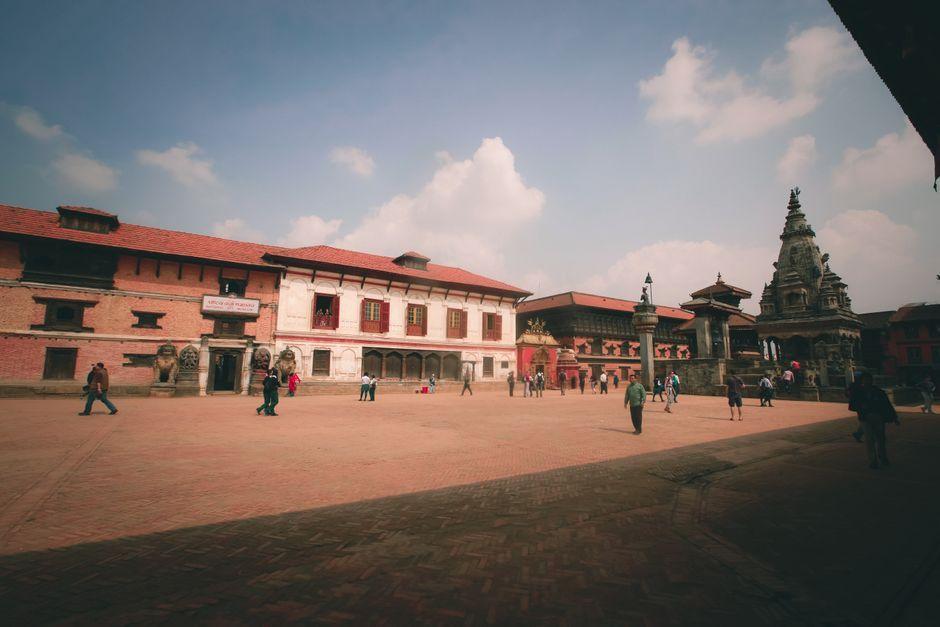
Discover the best time to visit Patan Durbar Square, Nepal. Our guide covers weather, top landmarks, cultural tips, and expert advice for your Lalitpur trip.
Best Time to Visit Patan Durbar Square: A Comprehensive Guide to Lalitpur's Living Museum
Step into a living museum of Newari culture and ancient splendor at Patan Durbar Square, the beating heart of Lalitpur. This UNESCO World Heritage site offers an unparalleled glimpse into Nepal's rich artistic heritage and breathtaking palace architecture. Whether you are an architecture enthusiast, a photography buff, or a culture seeker, understanding when to visit is crucial to maximizing your experience.
In this ultimate guide, we explore everything you need to know about visiting Patan Durbar Square, including the best time to visit, must-see landmarks, travel tips, and cultural etiquette to ensure your journey through the Valley of Art is nothing short of magical.
Introduction to Patan Durbar Square, Nepal
Located in the heart of Lalitpur, just a short distance from the bustling streets of Kathmandu, Patan Durbar Square is a testament to the incredible craftsmanship of the Newar people. Unlike many historical sites that feel frozen in time, Patan remains a vibrant, living community where rituals, festivals, and daily life blend seamlessly with ancient stone carvings and gilded temples.
As you wander through the brick-paved alleys, you aren't just looking at monuments; you are walking through centuries of history. From the intricate woodcarvings on the windows to the bronze statues that line the temple courtyards, every corner of the square tells a story of devotion, artistry, and resilience.
The Best Time to Visit Patan Durbar Square
When planning your trip to Nepal, timing is everything. Because Nepal's terrain and climate vary significantly, choosing the right season can mean the difference between a misty, atmospheric exploration and a dusty, sweltering trek through heatwaves.
The Peak Season: Spring (March to May)
If you are looking for the best time to visit Patan Durbar Square, many travelers suggest the spring months. During this period, the weather is pleasant and moderate, making it perfect for walking through the narrow alleys of Lalitpur without feeling overwhelmed by the heat.
- Pros: Beautiful blooming flowers, moderate temperatures, and clear skies for photography.
- Cons: This is the busiest time for tourism, so expect larger crowds and higher prices for local boutique hotels.
The Autumn Season: Autumn (September to November)
The post-monsoon season is arguably the most spectacular time for photography. As the rains recede, the air clears, offering crisp, sharp views of the surrounding valley and the distant Himalayan foothills (though Patan is in the valley, the sky clarity is unmatched).
- Pros: Incredible visibility, vibrant festivals, and culturally rich atmosphere.
- Cons: Can be quite busy; some afternoon showers might still occur.
The Winter Season: Winter (December to February)
Winter in the Kathmandu Valley is cool and dry. While it won't be freezing inside the temples, early mornings can be quite chilly.
- Pros: Quieter crowds and a serene, contemplative atmosphere.
- Cons: Short daylight hours and occasionally foggy mornings that can obscure some details of the architecture.
The Monsoon Season: Summer (June to August)
Visiting during the monsoon is a gamble. While the greenery of Nepal is stunning, the heavy rains can make the narrow, slippery brick paths of Patan difficult to navigate.
- Pros: Lush greenery, fewer tourists, and much lower accommodation costs.
- Cons: High humidity, heavy rain, and potential for travel delays.
Must-See Landmarks in Patan Durbar Square
To truly appreciate Patan Durbar Square, Nepal, you must venture beyond the main square. Here are the highlights:
1. The Royal Palace Museum
Once the residence of the Malla kings, this palace is a masterpiece of Newari architecture. The museum houses a vast collection of artifacts, including ancient crowns, traditional attire, and religious idols.
2. Krishna Mandir
The most iconic structure in the square, this temple is dedicated to Lord Krishna. The intricate stone carvings depicting scenes from the Mahabharata and Ramayana are breathtaking. It is best visited in the late afternoon when the golden light hits the stone.
3. Golden Temple (Hiranya Vihar)
This stunning Buddhist monastery is a jewel of Lalitpur. The gold-plated facade glitters in the sun, and the interior offers a peaceful space for meditation and spiritual reflection.
4. The Patan Museum
Widely considered one of the best museums in South Asia, the Patan Museum is housed in an ancient courtyard. It specializes in Newar art, featuring bronze, stone, and wood carvings that have been passed down through generations.
Travel Tips for Your Visit to Patan
To make the most of your time in Lalitpur, keep these practical tips in mind:
- Wear Comfortable Shoes: You will be walking on uneven brick paths and climbing steep stone stairs. Sturdy walking shoes are a must.
- Dress Modestly: Patan is a highly religious site. When entering temples, ensure your shoulders and knees are covered. It is respectful to remove your shoes before entering temple courtyards.
- Carry Small Change: While many cafes accept cards, small vendors and temple offerings require Nepalese Rupees (NPR).
- Hire a Local Guide: To truly understand the symbolism of the carvings, a local guide can provide depth that a guidebook simply cannot.
- Photography Etiquette: You can take photos of the architecture, but always ask for permission before photographing people, especially during religious ceremonies.
Cultural Etiquette: How to Respect Local Traditions
When visiting Patan Durbar Square, Nepal, remember that you are entering a sacred space. Many of these temples are actively used for worship. Avoid walking between a person and a deity during prayer, and never touch sacred statues or ritual items without permission. Observing local customs will not only ensure you are respectful but will also make locals more likely to engage with you warmly.
Exploring the Surrounding Lalitpur
Don't stop at the square! The entire city of Lalitpur (Patan) is a treasure trove. Wander into the residential quarters to see women weaving traditional textiles or artisans working in bronze. The culinary scene here is also exceptional—be sure to try traditional Newari cuisine, such as Bara (lentil pancakes) or Samay Baji (a ritual platter of food).
Frequently Asked Questions (FAQs)
Is Patan Durbar Square worth visiting?
Absolutely. It is one of the most significant cultural sites in Nepal and offers a deeper, more authentic look into Newari history compared to the busier Kathmandu sites.
How much does it cost to visit?
There is usually a small entrance fee for the Durbar Square area for international tourists. Many of the smaller shrines and alleys are free to walk through.
How long should I spend in Patan Durbar Square?
To see the main square and the Patan Museum, allow at least 3–4 hours. If you plan to explore the surrounding alleys and more temples, a full day is recommended.
Can I visit Patan Durbar Square in the rain?
While possible, it is not ideal. The narrow alleys can become slippery and muddy, and the heavy clouds might obscure the architectural details you've come to see.
Conclusion
Whether you arrive during the vibrant spring festivals or the calm, cool winter months, Patan Durbar Square, Nepal, will leave a lasting impression on your soul. It is more than just a collection of monuments; it is a testament to the enduring spirit and artistry of the Newar people. Plan your trip around the seasonal changes, respect the local customs, and prepare to be mesmerized by the timeless beauty of Lalitpur.