Explore Mustang Nepal’s hidden valleys, discover the best time to visit, and plan your unforgettable journey with this comprehensive travel guide.
Introduction
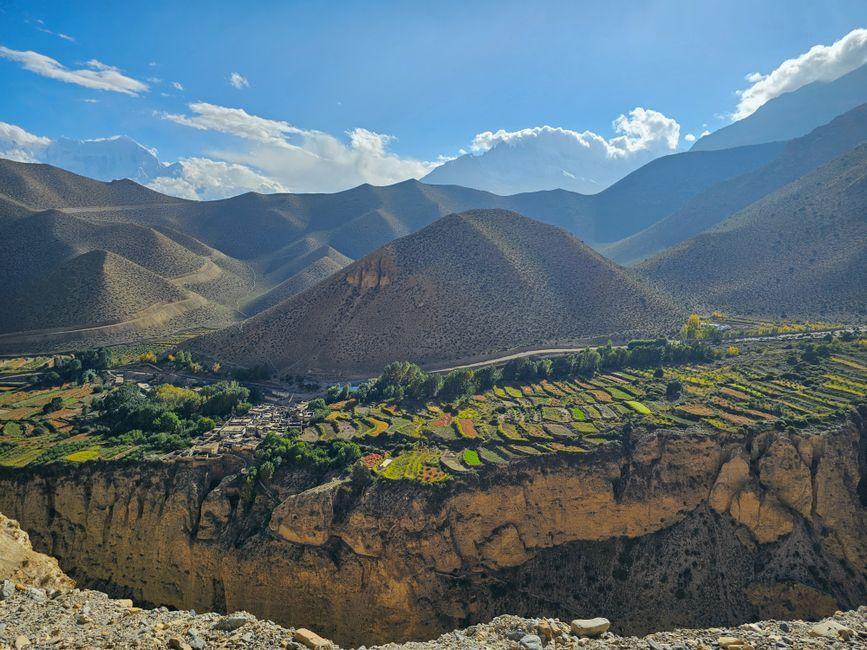
Nestled in the high Himalayas, Mustang is a hidden gem that feels like stepping into a living postcard. Often called the Forbidden Kingdom, this remote region of Nepal is a tapestry of stark desert‑like landscapes, ancient Tibetan culture, and a sense of timelessness that few places can match. Whether you’re a seasoned trekker, a culture enthusiast, or simply looking for a unique escape, Mustang offers an unforgettable experience.
This guide will walk you through everything you need to know about planning a trip to Mustang, with a special focus on the Best Time to Visit Mustang. From weather patterns and seasonal highlights to travel logistics, accommodation, and cultural etiquette, we’ve packed the essential information to help you make the most of your journey.
—
Why Visit Mustang?
- Cultural Richness: Mustang preserves Tibetan Buddhist traditions, monasteries, and festivals that have remained largely untouched.
- Stunning Landscapes: Imagine vast salt flats, towering cliffs, and the iconic Kumbum mountain range.
- Historical Significance: The walled capital, Lo Manthang, is a living museum of medieval architecture and cave dwellings.
- Adventure Opportunities: Trekking, camel rides, and even hot air ballooning are available for the adventurous.
- Authentic Hospitality: Local families welcome visitors with open arms, offering a glimpse into daily life in the highlands.
—
Best Time to Visit Mustang
Choosing the right season is crucial for a comfortable and enriching experience. Mustang’s climate is influenced by its high altitude and proximity to the Tibetan plateau, resulting in distinct seasonal patterns.
| Season | Temperature (°C) | Weather | Ideal Activities | Pros | Cons |
|---|---|---|---|---|---|
| Spring (March‑May) | 5‑15 | Mild, clear skies | Trekking, festivals | Pleasant weather, blooming rhododendrons | Limited daylight in early spring |
| Summer (June‑August) | 10‑20 | Warm, monsoon rains | Cultural tours, photography | Warm days, lush scenery | Heavy rainfall, slippery trails |
| Autumn (September‑November) | 5‑15 | Crisp, dry | Trekking, stargazing | Clear skies, best visibility | Cooler nights |
| Winter (December‑February) | -5‑5 | Cold, dry | Photography, solitude | Quiet, snow‑covered landscapes | Harsh conditions, limited access |
The Sweet Spot: Late September to Early November
For most travelers, late September to early November offers the best balance of clear skies, moderate temperatures, and vibrant cultural events. The monsoon has receded, leaving the valleys lush and the air crisp. This period also coincides with the Buddha Jatra festival in Lo Manthang, a colorful celebration that showcases traditional music, dance, and rituals.
If you’re a trekker, the autumn months provide the most reliable weather for safe and scenic routes. The trails are dry, and the views of the surrounding peaks are spectacular.
—
Weather & Climate
Mustang’s climate is classified as alpine tundra. Even in summer, temperatures rarely exceed 20 °C, while winter nights can drop below freezing. Here’s what to expect:
- Daytime: Warm to mild, especially in the lower valleys.
- Nighttime: Cold, often below 0 °C in winter.
- Precipitation: Monsoon season (June‑August) brings most of the rainfall; the rest of the year is relatively dry.
- Altitude: The region sits between 3,000 m and 4,500 m, so acclimatization is essential.
Packing Tips:
- Layered clothing (thermal base, fleece, waterproof shell).
- Warm hat, gloves, and scarf.
- Sun protection (sunscreen, sunglasses, hat).
- Sturdy trekking boots with good ankle support.
- A small first‑aid kit and altitude sickness medication.
—
Travel Logistics
Getting There
- From Kathmandu: The most common route is a flight from Kathmandu to Jomsom (the nearest airport). Nepal Airlines and Yeti Airlines operate daily flights.
- From Pokhara: You can take a bus or car to Jomsom, but the journey is longer (≈ 8‑10 hrs).
- From Lhasa: For those traveling from Tibet, a flight from Lhasa to Jomsom is available, but visa requirements apply.
Visa & Permits
- Visa: A regular Nepalese tourist visa is required. Apply at the Nepalese embassy or online via the e‑visa portal.
- Mustang Entry Permit: Mandatory for all visitors. Obtain it at the Mustang Tourism Office in Jomsom or via a local travel agency.
- Trekking Permit: If you plan to trek beyond the main valley, you’ll need a Trekking Permit from the Ministry of Culture, Tourism & Civil Aviation.
Transportation Within Mustang
- Tuk Tuks: The most common mode of transport between villages.
- Buses: Limited service; best for longer distances.
- Camel Rides: Popular in the desert areas, especially around the Kumbum region.
- Private Car: Hire a driver for flexibility.
—
Accommodation
Mustang offers a range of lodging options, from traditional guesthouses to boutique hotels.
| Type | Example | Price Range (USD) |
|---|---|---|
| Guesthouse | Lo Manthang Guesthouse | 30‑60 |
| Hotel | Kumbum Hotel | 60‑120 |
| Homestay | Tibetan Family Homestay | 20‑40 |
| Luxury | Kumbum Resort | 150‑250 |
Booking Tips:
- Book in advance during peak season (Sept‑Nov).
- Check for Wi‑Fi availability; many places have limited connectivity.
- Ask about local customs; some guesthouses require a small donation for community projects.
—
Food & Drink
Mustang’s cuisine is a blend of Tibetan and Nepalese flavors. Expect hearty dishes that keep you warm in the high altitude.
- Momo: Tibetan dumplings filled with meat or vegetables.
- Thukpa: Noodle soup with vegetables and meat.
- Yak Cheese: A staple in many meals.
- Chhaang: A traditional fermented barley drink.
- Fresh Fruits: Apples, pears, and apricots are common.
Dining Etiquette:
- Use your right hand for eating.
- Offer a small portion to the host before taking more.
- Respect local dietary restrictions, especially during festivals.
—
Cultural Etiquette
- Dress Modestly: Cover shoulders and knees, especially when visiting monasteries.
- Photography: Ask permission before photographing monks or sacred sites.
- Respect Monasteries: Remove shoes before entering, keep noise low.
- Festivals: Participate respectfully; follow local guidance.
- Tipping: While not mandatory, a small tip for guides and drivers is appreciated.
—
Must-See Attractions
- Lo Manthang – The walled capital with its ancient monasteries, cave dwellings, and the Kumbum temple.
- Kumbum – A 13‑storey stupa that offers panoramic views of the surrounding peaks.
- Jomsom Valley – Known for its salt flats and the Kumbum desert.
- Tashiding Monastery – A 12th‑century monastery with a rich history.
- Yala Valley – A high‑altitude plateau with unique flora.
- Buddha Jatra Festival – Celebrated in Lo Manthang, featuring traditional music and dance.
- Trekking Routes – From the Jomsom–Lo Manthang trail to the Kumbum Desert trek.
—
Practical Tips
- Altitude Acclimatization: Spend a day in Jomsom before heading to higher elevations.
- Hydration: Carry at least 2–3 L of water per day.
- Health: Bring a basic medical kit and any prescription medication.
- Cash: ATMs are scarce; carry enough cash in Nepalese rupees.
- Connectivity: Mobile coverage is limited; consider a local SIM card.
- Environmental Responsibility: Follow Leave No Trace principles; pack out all trash.
—
FAQs
Q1: Do I need a special visa to visit Mustang?
A1: Yes, you need a regular Nepalese tourist visa and a Mustang Entry Permit. Apply online or at the embassy.
Q2: Is trekking safe in Mustang?
A2: With proper acclimatization, gear, and a local guide, trekking is safe. Always check weather conditions.
Q3: What is the best time for photography?
A3: Early morning and late afternoon provide soft light. Autumn offers clear skies and vibrant foliage.
Q4: Can I bring my own camera equipment?
A4: Yes, but be mindful of power sources; bring a portable charger.
Q5: Are there any health risks?
A5: Altitude sickness is the main concern. Stay hydrated, ascend slowly, and seek medical help if symptoms arise.
—
Conclusion
Mustang Nepal is a destination that rewards curiosity, patience, and respect. From the ancient stone walls of Lo Manthang to the silent salt flats of Jomsom, every corner tells a story of resilience and faith. By planning your trip during the Best Time to Visit Mustang—late September to early November—you’ll experience the region at its most vibrant, with clear skies, mild temperatures, and a calendar full of cultural festivities.
Whether you’re trekking across the high plateau, sipping chhaang beside a monastery, or simply watching the sunrise over the Himalayas, Mustang offers a profound sense of place that lingers long after you return home. Pack your curiosity, respect the local customs, and let the Forbidden Kingdom unfold before you.
—
Happy travels!