Discover the ideal seasons, travel tips, and spiritual highlights for visiting Muktinath Temple, Nepal’s sacred high‑altitude sanctuary.
Best Time to Visit Muktinath Temple
Introduction
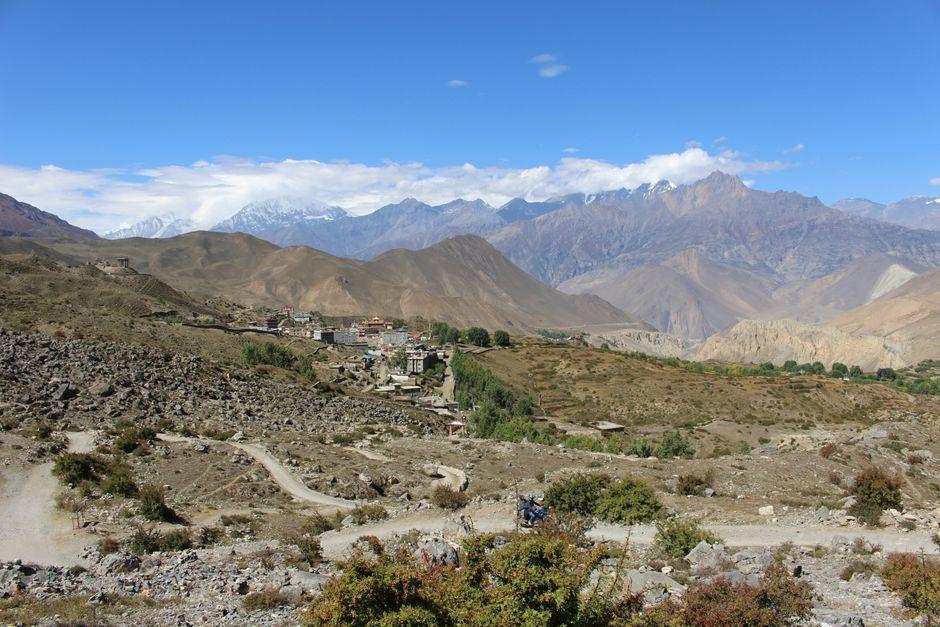
Nestled high in the Himalayas at 3,710 meters, Muktinath Temple is a sacred sanctuary where Hinduism and Buddhism meet. Pilgrims flock to its 108 holy water spouts and the eternal flame of Jwala Devi seeking moksha, or liberation. The temple’s remote location in Mustang district offers breathtaking views of snow‑capped peaks, arid valleys, and ancient Tibetan‑style settlements. Choosing the right time to visit can make the difference between a challenging trek and a rewarding spiritual journey. This guide explores the climate, seasonal highlights, travel logistics, and practical tips to help you decide the best time to experience Muktinath Temple.
Overview of Muktinath Temple
Muktinath, meaning “Lord of Liberation,” is one of the eight Svayam Vyakta Ksetras (self‑manifested shrines) of Vishnu and also a significant Buddhist site known as Chumig Gyatsa. The temple complex includes the main pagoda‑style shrine, 108 bronze waterspouts shaped like cow heads, and a natural gas fire that burns continuously as the Jwala Devi flame. Surrounding the shrine are several monasteries, chortens, and prayer wheels that reflect the blended faith of the region. Despite its altitude, the temple is accessible via a combination of flights, jeep rides, and trekking routes that have been used by pilgrims for centuries.
Climate and Seasons in Mustang
Mustang lies in the rain‑shadow of the Himalayas, resulting in a semi‑arid climate with wide temperature swings. Understanding the four main seasons helps pilgrims plan for comfort, safety, and the best possible experience.
Spring (March to May)
Spring brings mild daytime temperatures ranging from 10°C to 20°C, while nights can still dip below freezing. The snow begins to melt, revealing vibrant rhododendron forests on the lower slopes. Trails are generally dry, making trekking from Jomsom or Kagbeni pleasant. Visibility is excellent, offering clear views of Dhaulagiri and Nilgiri peaks. This period sees a moderate influx of tourists, so accommodation is available but may require advance booking during peak weeks.
Summer/Monsoon (June to August)
Although the monsoon affects much of Nepal, Mustang receives relatively little rainfall due to its rain‑shadow position. However, occasional showers can make trails muddy, and temperatures rise to 15°C‑25°C during the day. The landscape turns lush green, and wildflowers bloom in the valleys. Fewer tourists venture here, providing a quieter atmosphere at the temple. Pilgrims should be prepared for sudden weather changes and possible afternoon showers.
Autumn (September to November)
Autumn is widely regarded as the prime season for visiting Muktinath. Daytime temperatures hover between 10°C and 18°C, with crisp, clear skies and minimal precipitation. The post‑monsoon air is exceptionally clean, offering some of the best mountain vistas in the region. Major festivals such as Dashain and Tihar often coincide with this window, adding cultural vibrancy to the pilgrimage. Accommodation fills quickly, especially around the festivals, so early reservation is recommended.
Winter (December to February)
Winter transforms Mustang into a stark, icy wonderland. Daytime temperatures can rise to 5°C‑10°C, while nights frequently plunge below -10°C. Snowfall is common, especially at higher passes, which may block trekking routes. The temple remains open, and the eternal flame continues to burn, creating a surreal contrast against the white landscape. Only the most prepared trekkers with proper gear attempt the journey in winter, and services such as lodges may operate on reduced schedules.
Best Time to Visit Muktinath Temple
Considering weather, accessibility, and cultural experience, the optimal windows are late March to early June and mid‑September to mid‑November. During these periods:
- Trails are dry and stable, reducing the risk of slips or landslides.
- Temperature ranges are comfortable for acclimatization and extended stays at altitude.
- Clear skies provide uninterrupted views of the Himalayan panorama.
- Local festivals add a layer of cultural richness without overwhelming the site.
If you prefer solitude and are equipped for cold conditions, late November to early February offers a tranquil experience, though you must contend with shorter daylight hours and potential trail closures.
Travel Advice: Getting to Muktinath
Flights and Ground Transport
- Fly to Pokhara from Kathmandu (approx. 30 minutes).
- Take a domestic flight to Jomsom (Pokhara–Jomsom, about 20 minutes). Flights operate daily in good weather; cancellations are common during winter storms.
- From Jomsom, you can either:
- Trek the classic route via Kagbeni (approximately 3‑4 hours, 12 km) following the Kali Gandaki River valley.
- Hire a jeep for a quicker, albeit rougher, ride directly to Muktinath (about 1 hour).
Permits and Fees
- Annapurna Conservation Area Permit (ACAP) – required for all trekkers in the Annapurna region.
- Trekkers’ Information Management System (TIMS) card – mandatory for trekkers.
Both permits can be obtained in Kathmandu or Pokhara; fees are nominal (≈ USD 20‑30 total).
Altitude Sickness Prevention
At 3,710 m, the risk of acute mountain sickness (AMS) is real. Recommended precautions:
- Ascend gradually; spend at least one night at an intermediate altitude (e.g., Jomsom at 2,700 m) before proceeding.
- Stay hydrated, avoid alcohol, and consider acetazolamide after consulting a physician.
- Recognize early symptoms (headache, nausea, dizziness) and descend if they worsen.
Packing List
- Clothing: Layered system – moisture‑wicking base, insulating fleece, waterproof wind‑proof jacket.
- Footwear: Sturdy trekking boots with good ankle support; gaiters for snow sections.
- Accessories: UV protection sunglasses, sunscreen (SPF 50+), lip balm, warm hat, gloves, scarf.
- Gear: Trekking poles, headlamp with spare batteries, reusable water bottle or hydration system, water purification tablets.
- Health: Personal meds, basic first‑aid kit, diamox (if prescribed), hand sanitizer.
- Documents: Passport, permits, travel insurance (covering high‑altitude trekking), cash (Nepali rupees) as ATMs are scarce beyond Jomsom.
Cultural Etiquette
- Remove shoes before entering the temple inner sanctum.
- Dress modestly; shoulders and knees should be covered.
- Walk clockwise around sacred objects (stupas, prayer wheels).
- Ask permission before photographing monks or religious ceremonies.
- Offer a small donation if you wish; it supports temple maintenance.
Facilities and Services
- Accommodation: Guesthouses and lodges in Muktinath range from basic rooms to more comfortable options with hot showers (subject to fuel availability).
- Food: Dal bhat, Tibetan bread, momos, and tea are widely available. Vegetarian options dominate due to religious considerations.
- Connectivity: Mobile network coverage is intermittent; consider purchasing a local SIM with data before departure.
- Medical: A small health post exists in Muktinath; for serious issues, evacuation to Jomsom or Pokhara may be necessary.
Things to Do Around Muktinath
- Visit the 108 Waterspouts: Each spout represents a sacred mantra; pilgrims bathe under them for purification.
- Witness the Jwala Devi Flame: The natural gas fire burns continuously, symbolizing the divine presence.
- Explore the Muktinath Kunda: Two holy ponds (Laxmi Kunda and Saraswati Kunda) are believed to wash away sins.
- Monastery Tours: Nearby Buddhist monasteries such as Muktinath Gompa offer insight into Tibetan Buddhist practices.
- Day Trip to Kagbeni: A picturesque village with ancient mud‑brick houses, monasteries, and stunning views of the Nilgiri range.
- Trekking Extensions: Continue north to the Upper Mustang region (Lo Manthang) for a deeper cultural immersion, or south toward the Annapurna Circuit via Thorong La Pass.
Frequently Asked Questions (FAQ)
Q1: Is Muktinath Temple open year‑round?
A: Yes, the temple remains open throughout the year, although access may be limited during heavy snowfall in winter.
Q2: Do I need a guide to reach Muktinath?
A: While the trail from Jomsom to Muktinath is well‑marked and can be done independently, hiring a local guide enhances safety, provides cultural context, and supports the community.
Q3: What is the significance of the 108 water spouts?
A: In Hinduism, 108 is a sacred number representing the universe’s wholeness; bathing under each spout is believed to cleanse the practitioner of sins and grant liberation.
Q4: Can I experience both Hindu and Buddhist rituals at the site?
A: Absolutely. The temple complex hosts daily Hindu puja ceremonies and Buddhist prayer sessions, reflecting the harmonious coexistence of both faiths.
Q5: Are there any altitude‑related health facilities nearby?
A: A basic health clinic operates in Muktinath for minor ailments. For serious conditions, evacuation to Jomsom (where a better‑equipped clinic exists) or Pokhara is advised.
Q6: What is the best way to experience the Jwala Devi flame?
A: Visit early morning or late afternoon when the flame is most visible against the dimming light; maintain a respectful distance and avoid touching the fire.
Q7: Is vegetarian food strictly enforced?
A: While not strictly enforced, most eateries serve vegetarian meals out of respect for the temple’s religious sentiments. Meat is rarely available in the immediate vicinity.
Q8: How can I respect local customs while visiting?
A: Dress modestly, remove shoes before entering sacred spaces, walk clockwise around religious objects, and ask before photographing individuals or rituals.
Conclusion
Muktinath Temple offers a rare blend of spiritual profundity and Himalayan grandeur. By timing your visit during the spring or autumn windows, you’ll enjoy stable weather, clear vistas, and vibrant cultural festivities. Proper preparation—securing permits, acclimatizing to altitude, packing appropriate gear, and observing local customs—ensures a safe and meaningful pilgrimage. Whether you seek liberation through the holy waters, wish to marvel at the eternal flame, or simply wish to stand amid the towering peaks that cradle this sacred site, Muktinath promises an unforgettable journey into the heart of Nepal’s spiritual landscape. Plan wisely, travel responsibly, and let the mountains guide you toward inner peace.