
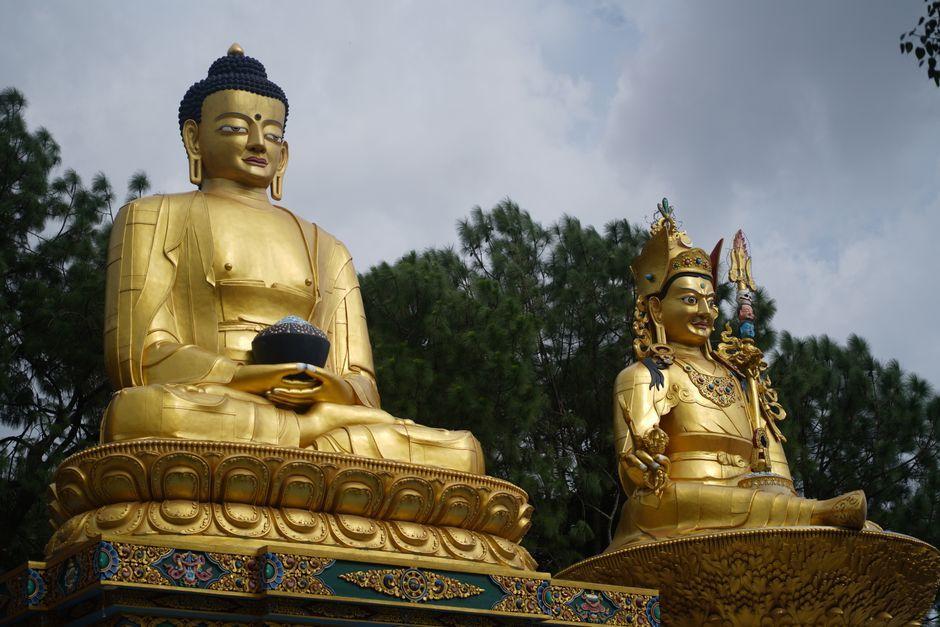
Discover the best time to visit Manakamana Temple Nepal, with tips on weather, festivals, travel logistics, and cultural insights for a memorable pilgrimage.
Best Time to Visit Manakamana Temple
Introduction
Manakamana Temple Nepal sits perched on a hilltop in the serene hills of the western Himalayas. Dedicated to the wish‑fulfilling goddess Bhagwati, the shrine draws pilgrims and tourists alike. A scenic cable car ride offers panoramic views of the Annapurna range, while the temple’s spiritual aura and natural beauty promise an unforgettable experience. If you’re planning a trip to this sacred site, knowing the best time to visit is essential for a comfortable and memorable journey.
Why Manakamana Temple Matters
- Spiritual significance: The temple is a major pilgrimage destination for Hindus and Buddhists.
- Cultural experience: Witness traditional rituals, local music, and community festivals.
- Natural beauty: The surrounding hills, terraced fields, and the cable car’s sweeping vistas provide a unique blend of spirituality and adventure.
Best Time to Visit Manakamana Temple
The optimal period for a visit balances pleasant weather, manageable crowds, and vibrant cultural events. Below is a season‑by‑season guide.
Spring (March – May)
- Weather: Mild temperatures (15–25°C), clear skies, and blooming rhododendrons.
- Crowds: Moderate; early spring sees fewer tourists.
- Events: The Manakamana Mela (festival) usually falls in April, offering a lively atmosphere.
Summer (June – August)
- Weather: Warm (20–30°C) with occasional monsoon showers.
- Crowds: High, especially during the monsoon‑related festivals.
- Pros: Green landscapes, lush vegetation.
- Cons: Slippery paths and potential cable car delays due to rain.
Autumn (September – November)
- Weather: Cool (10–20°C), dry, and clear.
- Crowds: Low to moderate; a quieter pilgrimage season.
- Highlights: Stunning sunrise views over the Annapurna range.
Winter (December – February)
- Weather: Cold (5–15°C), occasional snowfall.
- Crowds: Low; ideal for those seeking solitude.
- Challenges: Limited cable car operations during heavy snowfall.
Bottom line: For most travelers, late spring (April–May) and early autumn (September–October) offer the best blend of weather, cultural events, and manageable crowds.
Weather by Season
| Season | Temperature (°C) | Precipitation | Ideal Activities |
|---|---|---|---|
| Spring | 15–25 | Low | Trekking, photography |
| Summer | 20–30 | Moderate | Cable car rides, festivals |
| Autumn | 10–20 | Low | Sunrise viewing, meditation |
| Winter | 5–15 | Low to moderate | Quiet pilgrimage, stargazing |
Travel Logistics
Getting There
- From Kathmandu: Take a bus or private car to Pokhara (4–5 hrs). From Pokhara, a local bus or taxi heads to Ghandruk, the base of the cable car.
- From Pokhara: Direct taxis or shared vans are available to Ghandruk.
- From Ghandruk: The cable car (Manakamana Cable Car) takes you to the temple in about 10 minutes.
Cable Car Experience
- Operating Hours: 8:00 AM – 5:00 PM (varies by season).
- Tickets: Round‑trip tickets cost NPR 200–300. Children under 12 travel free.
- Safety: The cable car is well maintained; however, avoid traveling during heavy storms.
Temple Rituals and Practices
- Offerings: Flowers, incense, and sweets are common offerings to Bhagwati.
- Prayer Sessions: Morning and evening prayers attract large crowds.
- Pilgrimage Path: A 2‑km walk from the cable car station to the temple offers a chance to observe local devotees.
Nearby Attractions
- Ghandruk Village: Traditional Gurung architecture and panoramic views.
- Annapurna Base Camp: For adventurous travelers, a trek from Ghandruk to the base camp is a popular route.
- Pokhara Lakes: Phewa Lake and Begnas Lake are within a few hours’ drive.
Accommodation
| Type | Recommendation | Price Range |
|---|---|---|
| Guesthouse | Ghandruk View Lodge | NPR 1,500–2,500 |
| Hotel | Pokhara Grand Hotel | NPR 3,000–5,000 |
| Homestay | Gurung Family Home | NPR 1,200–2,000 |
Food & Dining
- Local Cuisine: Try dal bhat, gundruk, and momo (dumplings).
- Temple Food Stalls: Offer simple vegetarian meals.
- Cafés in Pokhara: Many cafés serve international dishes and fresh coffee.
Safety Tips
- Altitude: The temple sits at 2,200 meters; acclimatize if you’re coming from lower altitudes.
- Weather: Carry rain gear during monsoon season.
- Health: Stay hydrated and carry basic first‑aid supplies.
- Respect: Dress modestly; remove shoes before entering the temple premises.
FAQs
- Is the cable car safe?
- Yes, the Manakamana Cable Car is regularly inspected and maintained.
- Can I visit the temple during monsoon?
- It’s possible, but cable car operations may be limited due to safety concerns.
- What is the best time for sunrise viewing?
- Early autumn offers clear skies and cooler temperatures for sunrise photography.
- Do I need a guide?
- Not mandatory, but a local guide can enrich your experience with cultural insights.
- Is photography allowed inside the temple?
- Photography is allowed outside the sanctum; inside, it is generally prohibited.
Travel Tips
- Book tickets in advance during peak festival seasons.
- Carry cash; many small vendors accept only cash.
- Use a local SIM for navigation and communication.
- Respect local customs: Avoid loud music and photography of worshippers.
- Plan a rest day after the cable car ride to acclimatize.
Conclusion
Manakamana Temple Nepal offers a unique blend of spirituality, culture, and natural beauty. By visiting during late spring or early autumn, you’ll enjoy pleasant weather, vibrant festivals, and fewer crowds. Whether you’re a devout pilgrim or an adventure seeker, the temple’s serene atmosphere and the breathtaking cable car ride promise an unforgettable experience. Prepare well, respect local traditions, and immerse yourself in the divine charm of this Himalayan shrine.