
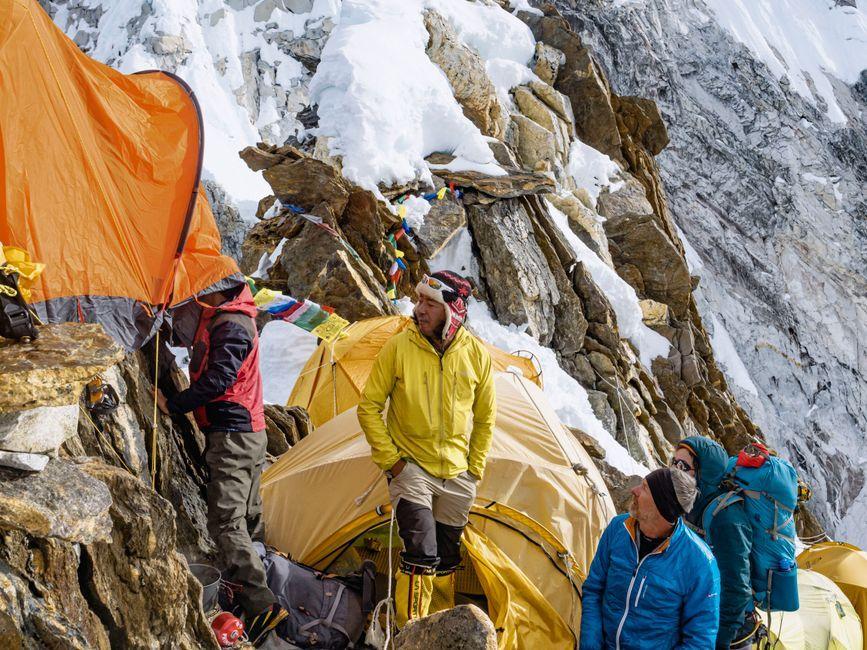
Find the best time to visit Kanchenjunga Base Camp, Nepal, with weather, permits, and trekking tips.
Best Time to Visit Kanchenjunga Base Camp
Introduction
Nestled in the far‑eastern corner of Nepal, Kanchenjunga rises to 8,586 meters and stands as the world’s third‑highest peak. The Kanchenjunga Base Camp trek offers a rare glimpse into pristine alpine forests, traditional Limbu and Sherpa villages, and untouched Himalayan wilderness teeming with rare flora and fauna. For those seeking solitude, raw natural beauty, and a true off‑the‑beaten‑path adventure, this trek is an unforgettable encounter with the eastern Himalayas. This guide provides everything you need to know about the Best Time to Visit Kanchenjunga Base Camp, covering climate, permits, gear, acclimatization, cultural highlights, a sample itinerary, FAQs, and essential travel tips.
Overview of the Kanchenjunga Base Camp Trek
The trek typically starts from Taplejung or Suketar and follows the Kanchenjunga Conservation Area route to the north and south base camps. Trekkers traverse lush rhododendron forests, terraced farmland, high‑altitude pastures, and glacial moraines before reaching the spectacular base camp vistas of Kanchenjunga’s massive south and north faces. The trek is considered strenuous due to its length (approximately 20‑25 days), remote logistics, and high passes exceeding 5,000 meters. However, the reward is unparalleled solitude and breathtaking panoramas that few travelers ever witness.
Climate and Seasons
Understanding the seasonal weather patterns is crucial when planning the Best Time to Visit Kanchenjunga Base Camp. The region experiences four distinct seasons, each with its own trekking conditions.
Spring (March‑May)
Spring is one of the most popular periods for trekking. Days are mild, with temperatures ranging from 10 °C to 20 °C at lower elevations and dropping below freezing at night above 4,000 meters. The rhododendron forests burst into bloom, painting the hillsides with red, pink, and white hues. Snow melt begins, making river crossings manageable, and the trails are generally dry. Clear mornings offer stunning views of Kanchenjunga’s peaks, although afternoon clouds can develop.
Summer/Monsoon (June‑August)
The monsoon brings heavy rainfall, especially in June and July. Trails become slippery, leeches are prevalent in lower forests, and landslides can obstruct paths. Visibility is often poor due to persistent cloud cover, and the risk of avalanches increases on higher passes. While the landscape is lush and waterfalls are at their peak, the monsoon season is generally not recommended for the Kanchenjunga Base Camp trek unless you are an experienced trekker prepared for wet conditions.
Autumn (September‑November)
Autumn is widely regarded as the Best Time to Visit Kanchenjunga Base Camp. Post‑monsoon skies are crystal clear, offering unhindered views of the massif. Daytime temperatures hover between 12 °C and 18 °C in the valleys, while nights can be cold, especially above 4,500 meters where they may fall below -10 °C. The trails are dry, and the air is crisp. This season also coincides with major Nepali festivals such as Dashain and Tihar, providing opportunities to witness local culture.
Winter (December‑February)
Winter brings cold temperatures and frequent snowfall at higher elevations. Daytime temperatures in the valleys may reach 5 °C, while nights can plunge below -20 °C at base camp. Snow covers the trails, making trekking challenging and increasing the risk of avalanches. Only well‑equipped, experienced trekkers with proper gear and guides should attempt the trek in winter, and even then, many passes may be impassable.
Why Autumn and Spring Are Ideal
For most trekkers, the Best Time to Visit Kanchenjunga Base Camp falls within the autumn (mid‑September to late November) and spring (late March to early May) windows. These periods offer:
- Stable weather with minimal precipitation
- Excellent visibility for photography and panoramic views
- Comfortable daytime temperatures for trekking
- Reduced risk of landslides and avalanches
- Accessible teahouses and lodges that remain open
- Vibrant natural scenery—flowering rhododendrons in spring and clear skies in autumn
Month‑by‑Month Guide
| Month | Conditions | Recommendation |
|---|---|---|
| January | Deep cold, heavy snow, limited services | Not recommended unless experienced winter trekker |
| February | Still very cold, snow begins to melt late month | Not recommended for most |
| March | Warming trend, rhododendron bloom starts, occasional snow | Good early‑spring option |
| April | Peak spring blossoms, mild days, clear mornings | Highly recommended |
| May | Warm temperatures, pre‑monsoon humidity building, still good | Recommended, watch for late‑month showers |
| June | Monsoon onset, heavy rain, leeches, landslides | Not recommended |
| July | Peak monsoon, frequent landslides, poor visibility | Avoid |
| August | Monsoon weakening, still wet, risk of avalanches | Not recommended |
| September | Post‑monsoon, clear skies, drying trails | Best time to visit (early‑mid) |
| October | Stable weather, excellent visibility, festive atmosphere | Peak season |
| November | Cool, dry, fewer crowds, great views | Highly recommended (late month can be chilly) |
| December | Onset of winter, snow at higher altitudes, limited facilities | Not recommended for most |
Permits and Regulations
Trekking to Kanchenjunga Base Camp requires several permits:
- Kanchenjunga Conservation Area Permit (KCAP) – costs approximately NPR 2,000 for foreign nationals.
- Restricted Area Permit (RAP) – required because the trek enters a restricted zone; costs around USD 20 per week.
- TIMS Card (Trekkers’ Information Management System) – optional but recommended for safety.
Permits can be obtained in Kathmandu at the Department of Immigration or through a registered trekking agency. It is mandatory to trek with a licensed guide for the restricted area portion.
Gear and Packing List
Packing appropriately ensures comfort and safety. Essential items include:
- Clothing: Moisture‑wicking base layers, insulating mid‑layers (fleece or down), waterproof breathable jacket, warm hat, gloves, sun hat.
- Footwear: Sturdy broken‑in trekking boots, camp shoes or sandals, gaiters for snow.
- Sleeping: Four‑season sleeping bag (rated to -20 °C), sleeping bag liner, insulated sleeping pad.
- Equipment: Trekking poles, headlamp with extra batteries, water purification tablets or filter, sturdy backpack (50‑65 L), duffel bag for porter.
- Health & Safety: Personal medical kit, altitude sickness medication (Diamox), sunscreen (SPF 50+), lip balm, hand sanitizer, quick‑dry towel.
- Miscellaneous: Passport, permits, cash (NPR), spare batteries, camera, binoculars, notebook.
Acclimatization and Health Tips
Acclimatization is vital due to the high altitudes reached (over 5,100 meters at the base camp). Follow these guidelines:
- Ascend no more than 300‑500 meters per day above 3,000 meters.
- Include rest days at key points such as Ghunsa and Sele Le.
- Stay hydrated; aim for 3‑4 liters of water daily.
- Eat carbohydrate‑rich meals to maintain energy.
- Be aware of symptoms of Acute Mountain Sickness (AMS): headache, nausea, dizziness. Descend if symptoms worsen.
- Consider prophylactic acetazolamide after consulting a physician.
- Carry a pulse oximeter to monitor oxygen saturation if possible.
Cultural Highlights
The trek passes through remote Limbu and Sherpa villages where traditions remain strong. Highlights include:
- Visiting monasteries such as the ancient Ghunsa Monastery.
- Observing traditional Limbu houses with intricate wood carvings.
- Experiencing local festivals if trekking during Dashain (October) or Tihar (November).
- Tasting regional dishes like gundruk (fermented leafy greens), sel roti (sweet rice bread), and yak cheese.
Sample Itinerary (20 Days)
Day 1‑2: Fly Kathmandu → Suketar → Trek to Mitlung (920 m) → Chirwa (1,270 m).
Day 3‑4: Trek to Sekathum (1,660 m) → Amjilosa (2,300 m).
Day 5‑6: Trek to Gyabla (2,730 m) → Ghunsa (3,470 m) – acclimatization day.
Day 7‑8: Trek to Khambachen (4,150 m) → Lhonak (4,780 m) – north base camp approach.
Day 9: Day trip to Kanchenjunga North Base Camp (5,140 m) – return to Lhonak.
Day 10‑11: Trek back to Ghunsa → Sele Le (4,290 m) – cross Sele Le pass.
Day 12‑13: Trek to Tseram (3,870 m) → Ramche (4,580 m) – south base camp approach.
Day 14: Day trip to Kanchenjunga South Base Camp (4,610 m) – return to Ramche.
Day 15‑16: Trek to Tortong (2,990 m) → Yamphudin (2,080 m).
Day 17‑18: Trek to Khebang (1,910 m) → Suketar (2,420 m).
Day 19: Drive Suketar → Biratnagar → Fly to Kathmandu.
Day 20: Reserve day in Kathmandu for departure or sightseeing.
Note: This itinerary includes acclimatization days and buffer for weather delays. Adjustments can be made based on fitness level and guide recommendations.
Safety and Responsible Trekking
- Always trek with a licensed guide and porter; they provide local knowledge, support, and emergency assistance.
- Follow Leave No Trace principles: pack out all waste, avoid disturbing wildlife, and stay on marked trails.
- Respect local customs: ask permission before photographing people, dress modestly in villages, and remove shoes when entering homes.
- Carry a reliable communication device (satellite phone or local SIM) for emergencies.
- Obtain travel insurance that covers high‑altitude trekking and helicopter evacuation.
Frequently Asked Questions
Q1: What is the Best Time to Visit Kanchenjunga Base Camp for clear mountain views?
A: The best time is autumn (mid‑September to late November) when post‑monsoon skies are clear and visibility is optimal.
Q2: How difficult is the Kanchenjunga Base Camp trek compared to other Nepal treks?
A: It is considered strenuous due to its length, remote logistics, and high passes over 5,000 meters. Prior trekking experience and good fitness are recommended.
Q3: Do I need a guide for the Kanchenjunga Base Camp trek?
A: Yes, a licensed guide is mandatory for the restricted area sections, and hiring a porter is highly recommended for logistics and safety.
Q4: What altitude sickness precautions should I take?
A: Ascend slowly, stay hydrated, consider acetazolamide after medical advice, and be ready to descend if symptoms of AMS appear.
Q5: Are teahouses available along the route?
A: Basic teahouses and lodges operate in major villages (Ghunsa, Lhonak, Tseram, etc.). Facilities are simple; bring a sleeping bag and be prepared for limited electricity.
Travel Tips
- Book permits and guide services through a reputable Kathmandu agency well in advance.
- Pack layers; temperatures can vary dramatically between day and night.
- Carry water‑purification tablets—streams may look clean but can harbor pathogens.
- Keep a photocopy of your passport and permits separate from the originals.
- Spend a night in Kathmandu before and after the trek to acclimatize and recover.
- Respect wildlife: the region is home to the red panda, snow leopard, and Himalayan black bear.
- Learn a few basic Nepali phrases; locals appreciate the effort.
- Bring a good quality camera with extra batteries; cold drains battery life quickly.
- Stay flexible—weather can change rapidly in the mountains.
Conclusion
The Kanchenjunga Base Camp trek is a journey into one of the Himalayas’ most secluded and awe‑inspiring corners. By choosing the Best Time to Visit Kanchenjunga Base Camp—autumn or spring—you ensure clear skies, comfortable trekking conditions, and the fullest experience of the region’s natural and cultural riches. With careful preparation, proper permits, respect for local customs, and an eye on safety, this adventure will leave you with memories of towering peaks, vibrant forests, and the warm hospitality of the Limbu and Sherpa people. Embrace the challenge, savor the solitude, and let the majesty of Kanchenjunga inspire your next Himalayan odyssey.