
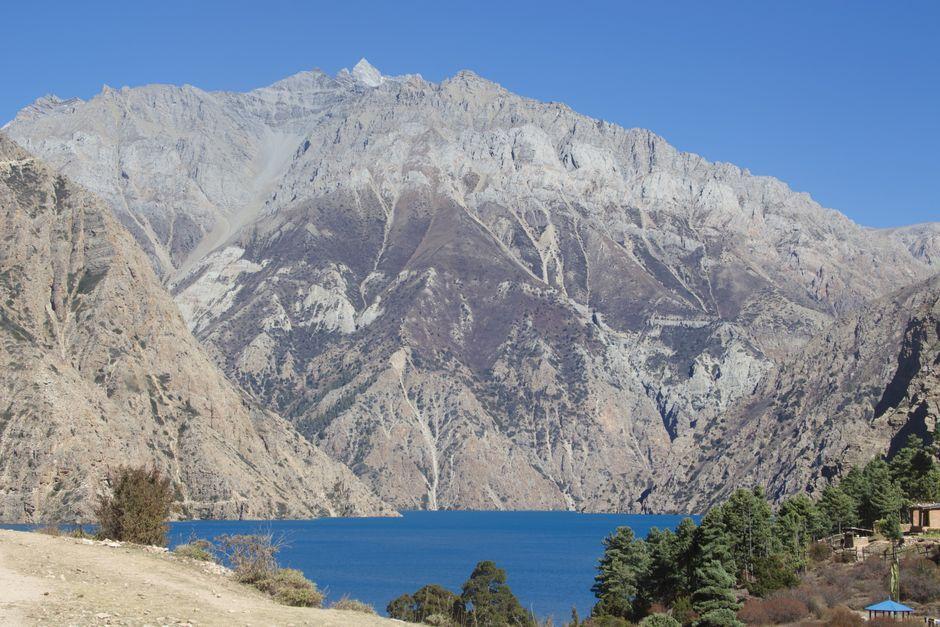
Explore Dolpo Nepal's best time to visit for trekking, ancient culture, and mystical landscapes. Discover travel tips and FAQs for your Himalayan adventure.
Best Time to Visit Dolpo, Nepal
Introduction to Dolpo
Dolpo, Nepal, a remote Himalayan sanctuary, is a haven for adventurers seeking pristine landscapes and cultural immersion. Nestled between the Tibetan border and the Himalayas, Dolpo Nepal offers a unique blend of ancient traditions and natural beauty. Home to the iconic Shey Gompa and the enigmatic Crystal Mountain, this region is a living testament to Tibetan heritage. This guide explores the best time to visit Dolpo and provides essential travel insights.
Best Time to Visit Dolpo
The best time to visit Dolpo is during the spring (March to May) and autumn (September to November) seasons. During these months, clear skies, moderate temperatures (10–20°C), and minimal rainfall make trekking feasible. Winter (December–February) brings harsh cold and snow, while summer (June–August) faces monsoon rains, complicating travel.
Factors Influencing the Best Time:
- Weather: Spring offers blooming rhododendrons; autumn showcases dramatic mountain vistas.
- Crowd Levels: Lower tourist traffic ensures a more tranquil experience.
- Road Accessibility: Most trekking routes are accessible during dry seasons.
Trekking Routes and Highlights
Dolpo’s trekking trails are ideal for experienced adventurers. Highlights include:
- The Dolpo Trek fromSyangboche, leading to the Shey Gompa and Shey Phoksom Lake.
- The journey to Crystal Mountain, a sacred site shrouded in myth.
- Tibetan Buddhist culture immersion in villages like Muktinath and contando.
Cultural Insights
Dolpo Nepal is steeped in Tibetan culture. Visitors can witness:
- Ancient murals in Shey Gompa reflecting Tibetan Buddhist art.
- Local festivals like Losar (Tibetan New Year) with vibrant celebrations.
- Shey Monastery, a spiritual beacon dating back to the 13th century.
Travel Tips for Dolpo
- Permits: Obtain a TIMS card and Dolpo Conservation Area permit from Kathmandu.
- Guides: Hire a local guide to navigate permits and cultural nuances.
- Packing: Waterproof gear, layers for cold nights, and sturdy trekking boots.
- Health: Consult a doctor for altitude sickness prevention (e.g., Diamox).
FAQs
Q: How long does the Dolpo trek take?
A: 15–20 days, depending on the route.
Q: Is Dolpo suitable for solo travelers?
A: Yes, with proper planning and local guides.
Q: What is the cost of traveling to Dolpo?
A: $1,200–$2,500 for a 2-week trip, including permits and accommodation.
Q: Are there health risks in Dolpo?
A: High altitude (up to 4,500m) requires proper acclimatization.
Q: Can I visit Dolpo in winter?
A: Not recommended due to extreme cold and snow.
Conclusion
The best time to visit Dolpo, Nepal, is during the dry seasons of spring and autumn. This remote region offers unparalleled trekking opportunities, cultural richness, and untouched beauty. With careful planning and respect for local customs, Dolpo Nepal promises a transformative journey into the heart of the Himalayas.