Discover the best time to visit Bardia National Park Nepal for an unforgettable wildlife safari. Learn tips, travel advice, and more.
Best Time to Visit Bardia National Park
Introduction
Bardia National Park Nepal is a hidden gem tucked away in the western Terai region. With its rolling grasslands, dense forests, and a rich tapestry of wildlife, it offers an unforgettable safari experience. Whether you are chasing the elusive tiger, spotting a herd of elephants, or simply soaking in the raw beauty of the Churia hills, Bardia promises an adventure like no other.
The park’s unique blend of ecosystems—grasslands, scrub forests, and riverine habitats—creates a haven for a diverse array of species. From the majestic Bengal tiger to the gentle Indian rhinoceros, Bardia’s wildlife is a living showcase of Nepal’s natural heritage. But to truly experience the park’s wonders, timing is everything. This guide will walk you through the best time to visit Bardia National Park, practical travel advice, and insider tips to make your trip unforgettable.
Why Bardia National Park Stands Out
- Untouched Wilderness – Unlike the more frequented Chitwan, Bardia remains relatively pristine, offering a more authentic wildlife experience.
- High Tiger Density – The park hosts one of the highest tiger densities in Nepal, making it a prime destination for big‑cat enthusiasts.
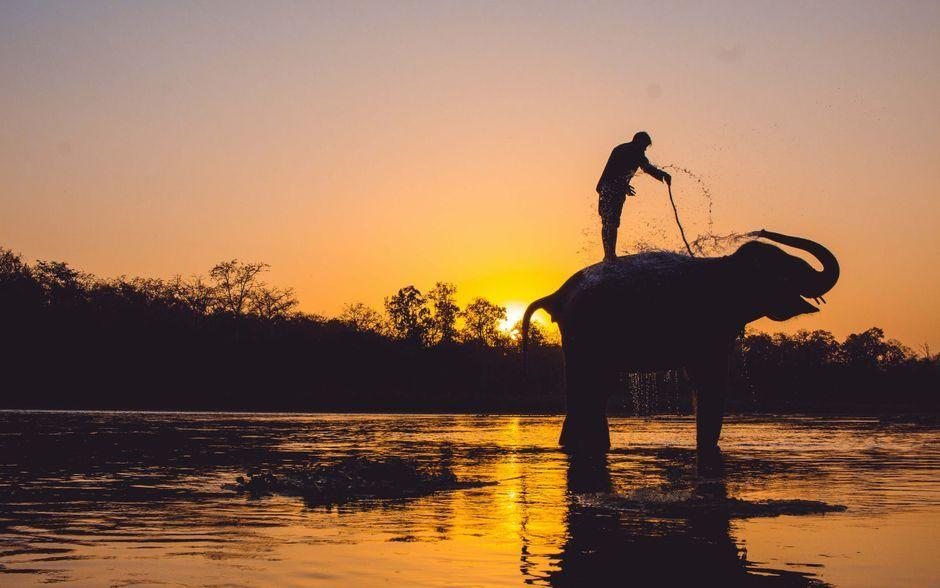
- Elephant Safari – Bardia’s grasslands are a favorite roaming ground for the Indian elephant, giving visitors a chance to see these giants in their natural habitat.
- Cultural Richness – The surrounding villages provide a glimpse into the lives of the Tharu community, adding a cultural layer to your adventure.
Seasonal Overview
Bardia’s climate is typical of the Terai: hot, humid summers and cool, dry winters. Understanding the seasonal patterns is key to planning your safari.
| Season | Temperature | Rainfall | Wildlife Activity | Ideal for | Notes |
|---|---|---|---|---|---|
| Summer (June‑August) | 30‑38°C | Heavy monsoon | Tigers are active but may be harder to spot due to dense foliage | Not ideal | Avoid during monsoon due to muddy roads and limited visibility |
| Monsoon (September‑October) | 25‑32°C | Moderate | Elephants and water‑dependent species thrive | Good for birdwatching | Roads can be slippery; plan for extra travel time |
| Autumn (November‑December) | 15‑28°C | Low | Tigers and leopards are most active; clear skies | Best Time | Ideal for wildlife viewing and comfortable trekking |
| Winter (January‑March) | 5‑20°C | Very low | Wildlife congregates near water sources; cooler temperatures | Good for photography | Early mornings can be chilly; bring layers |
| Pre‑Summer (April‑May) | 20‑35°C | Low | Tigers roam more openly; grasslands are lush | Good for safari | Avoid the heat of mid‑June |
The Best Time to Visit Bardia National Park
The consensus among wildlife experts and local guides is that November to December is the best time to visit Bardia National Park. During this period, the weather is pleasantly cool, rainfall is minimal, and the park’s wildlife is most active. Tigers, leopards, and elephants are easier to spot against the clear skies and open grasslands. Additionally, the park’s flora is at its most vibrant, providing a stunning backdrop for photography.
If you prefer a quieter experience, consider January to March. The cooler temperatures make early morning safaris comfortable, and the park’s water bodies attract a variety of bird species, making it a paradise for birdwatchers.
Planning Your Trip
When to Book
- Peak Season (Nov‑Dec): Book at least 3‑4 months in advance to secure accommodation and safari slots.
- Off‑Peak (Apr‑Jun): Reservations can be made closer to the date, but be prepared for higher prices during the monsoon.
Getting There
Bardia is accessible via several routes:
- By Air – The nearest airport is Biratnagar (BIR) in the east, about 200 km away. From there, you can hire a taxi or take a local bus.
- By Road – The most common route is from Kathmandu via the Mahendra Highway. The drive takes roughly 12‑14 hours, so many travelers opt for a domestic flight to Pokhara or Biratnagar and then a taxi.
- By Train – The nearest railway station is in Biratnagar. From there, you can take a taxi or bus.
Visa and Entry Requirements
- Tourist Visa – A 15‑day tourist visa is required for most nationalities. You can obtain it on arrival at the airport or apply online via the Nepal e‑visa portal.
- Park Entry Permit – A park entry permit is mandatory and can be purchased at the park’s entrance office. The fee is typically around NPR 1,500 per person.
Accommodation Options
| Type | Example | Price Range (per night) |
|---|---|---|
| Luxury Lodges | Bardia Safari Lodge | NPR 15,000‑25,000 |
| Mid‑Range Hotels | Bardia View Hotel | NPR 5,000‑10,000 |
| Budget Guesthouses | Tharu Village Homestay | NPR 2,000‑4,000 |
| Camping | Park Campgrounds | NPR 1,000‑2,000 |
Safari Options
- Guided Jeep Safari – The most popular choice; offers a comfortable ride with a local guide.
- Walking Safari – For the adventurous, a guided walk through the grasslands (requires a permit and a guide).
- Birdwatching Tours – Specialized tours focusing on the park’s avifauna, especially during the monsoon.
Practical Travel Advice
Packing Checklist
- Clothing – Light, breathable fabrics for summer; layers for winter. A waterproof jacket is essential during monsoon.
- Footwear – Sturdy hiking boots for walking safaris; comfortable sandals for camp.
- Sun Protection – Sunscreen (SPF 50+), sunglasses, and a wide‑brimmed hat.
- Insect Repellent – Mosquitoes can be a nuisance, especially near water bodies.
- Camera Gear – A DSLR or mirrorless camera with a telephoto lens; spare batteries and memory cards.
- First Aid Kit – Include basic medications, bandages, and any personal prescriptions.
Health & Safety
- Vaccinations – Hepatitis A and B, Typhoid, and Rabies are recommended.
- Water Safety – Drink bottled or filtered water. Avoid ice cubes unless you’re sure of the source.
- Wildlife Etiquette – Keep a safe distance from animals; never feed them. Follow your guide’s instructions at all times.
- Road Safety – Roads can be rough; drive cautiously and avoid night travel.
Currency & Payments
- Currency – Nepalese Rupee (NPR). Credit cards are accepted in most hotels but not in remote areas.
- ATMs – Available in Kathmandu, Pokhara, and Biratnagar. Bring enough cash for the park entrance fee and local purchases.
Insider Tips
- Early Morning Safaris – The park is most active at dawn. Arrive early to maximize wildlife sightings.
- Night Safari – Some operators offer night drives to spot nocturnal species like the Indian pangolin.
- Local Guides – Hiring a local guide not only supports the community but also enhances your experience with their knowledge of animal behavior.
- Cultural Visits – Spend a day visiting nearby Tharu villages to learn about their traditions and enjoy local cuisine.
- Photography – The golden hour (just after sunrise and before sunset) provides the best lighting for wildlife photography.
- Eco‑Tourism – Choose eco‑friendly accommodations and support conservation initiatives.
Frequently Asked Questions (FAQs)
Q1: Is Bardia National Park safe for solo travelers?
A1: Yes, Bardia is generally safe for solo travelers, especially if you join a guided safari or stay in a reputable lodge. Always inform someone of your itinerary.
Q2: Can I bring my own camera equipment into the park?
A2: Absolutely. However, be mindful of the park’s rules regarding photography. Avoid using flash near animals.
Q3: Are there any restrictions on bringing pets?
A3: Pets are not allowed inside the park to protect wildlife and maintain hygiene.
Q4: What is the best way to experience Bardia’s wildlife?
A4: A combination of jeep safari during the day and a walking safari in the early morning or late afternoon yields the best results.
Q5: How can I support conservation efforts while visiting?
A5: Choose eco‑friendly lodges, purchase park entrance fees directly, and avoid buying souvenirs made from wildlife products.
Conclusion
Bardia National Park Nepal offers a raw, unfiltered glimpse into the heart of the Terai’s wildlife. By visiting during the best time to visit Bardia National Park—November to December—you’ll experience the park at its most vibrant, with clear skies, active tigers, and lush grasslands. Whether you’re a seasoned safari enthusiast or a first‑time visitor, the park’s blend of wildlife, culture, and adventure will leave an indelible mark on your travel memories.
Plan ahead, respect the environment, and let Bardia’s untamed beauty captivate you. Your journey to this hidden gem will not only satisfy your wanderlust but also contribute to the preservation of one of Nepal’s most precious natural treasures.
—
Prepared by a seasoned Nepal travel writer and SEO strategist.