
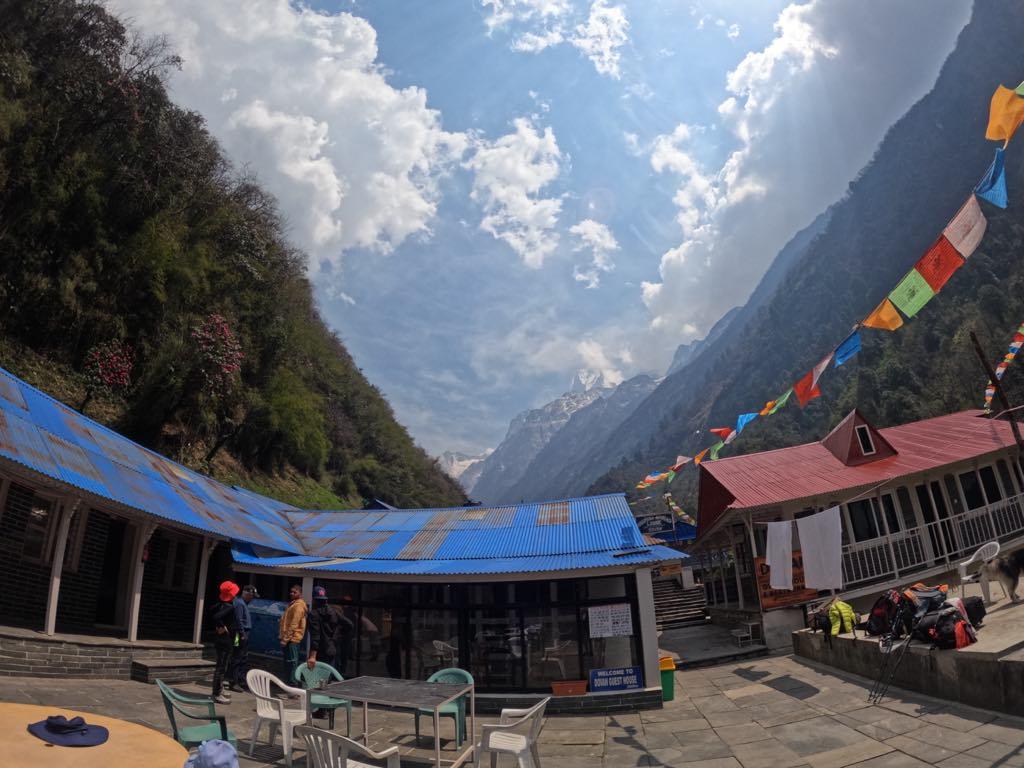
Discover the magic of Annapurna Base Camp (ABC) Nepal – the best time to visit is April to June for stunning mountain scenery and comfortable trekking condit...
Best Time to Visit Annapurna Base Camp (ABC) Nepal
Introduction: A Dreamlike Journey Through the Himalayas
Nestled in the heart of the Nepalese mountains, Annapurna Base Camp (ABC) stands as one of the most coveted trekking destinations in the world. Surrounded by towering giants like Annapurna I (8,091 meters), the iconic Fishtail (Machhapuchhre), and the majestic Hiunchuli, this remote campsite offers a surreal blend of breathtaking natural beauty, rich cultural heritage, and challenging physical adventure.
For travelers seeking an unforgettable experience where earth meets sky, timing your visit correctly can make all the difference. The best time to visit Annapurna Base Camp (ABC) depends on what you hope to achieve during your trek—whether it’s witnessing the peak of the monsoon season, avoiding altitude-related health issues, or simply enjoying crystal-clear skies without heavy cloud cover. This comprehensive guide will walk you through the ideal months, seasonal highlights, and practical considerations so you can plan your journey perfectly.
Best Time to Visit Annapurna Base Camp (ABC)
The Himalayas offer distinct seasons that each bring unique advantages and challenges for trekkers. Understanding these variations is crucial for maximizing your experience at Annapurna Base Camp (ABC).
Peak Season: April to June
April through June represents the prime window for visiting Annapurna Base Camp. During these months, the weather is generally stable and sunny, making it ideal for photography and outdoor activities. The snow on higher passes begins to melt, revealing lush green valleys and vibrant wildflowers along the trail.
- April: Early spring brings mild temperatures and the start of the climbing season. Daytime highs range from 15°C to 25°C, while nights can drop below freezing. This period is excellent for those who want to avoid the heaviest crowds.
- May: The weather remains pleasant, with clear skies and moderate rainfall. It’s also the time when many local festivals take place, offering cultural immersion opportunities.
- June: The monsoon winds begin to ease, and the landscape transforms into a tapestry of emerald greens. While occasional showers may occur, the trails remain accessible, and the air feels fresh and invigorating.
During the peak season, you’ll have access to well-marked paths and more reliable accommodation options. However, this is also the busiest time, so booking early is essential.
Shoulder Seasons: September–October and November–December
If you prefer fewer tourists and more dramatic landscapes, consider the shoulder seasons.
- September to October: Post-monsoon, the skies clear dramatically, often leading to spectacular sunrise and sunset views over the Annapurna massif. Temperatures are cool but manageable, ranging from 10°C to 20°C. This is a fantastic choice if you want to see the mountains in their purest form before the autumn rains arrive.
- November to December: Autumn brings crisp, clear days perfect for hiking. The foliage turns golden, and the air is refreshingly cool. While some lower trails may become slippery due to lingering moisture, the upper sections remain pristine.
These periods offer a quieter trekking experience with reduced crowds, allowing you to connect more deeply with the local communities and wildlife.
Monsoon Season: July to August
While not recommended for most trekkers, the monsoon season can still be rewarding for those willing to embrace its intensity. Heavy rains transform the terrain into a lush, green paradise, and the waterfalls become powerful spectacles. However, the risk of landslides increases, and some trails may be impassable. If you choose to trek during this time, thorough research and flexible planning are mandatory.
Winter: January to March
Winter brings cold temperatures and limited daylight hours. Snow covers much of the high passes, making the trek extremely challenging. Most trekkers opt for shorter routes or stay in lower elevations during this period. For those determined to reach ABC in winter, proper gear and experienced guides are non-negotiable.
Getting There & Logistics
Planning your journey to Annapurna Base Camp (ABC) requires attention to several logistical details:
- Kathmandu to Pokhara: Most trekkers fly from Kathmandu to Pokhara, which serves as a gateway to the Annapurna region. From Pokhara, a scenic drive or jeep ride leads to Jumla, the starting point for the ABC trek.
- Jumla to ABC: The final leg involves a 35-kilometer trek through the Manaslu region, passing through charming villages and traditional Gurung and Sherpa settlements. This stretch takes approximately 3–4 days and showcases authentic Nepali culture.
- Permits: You’ll need a Trekkers’ Permit (TIP) and a Special Permit for the Annapurna Conservation Area (ACA). These can be purchased online in advance or at the trekking office in Jumla.
- Trekking Duration: A typical ABC trek lasts 12–15 days, including acclimatization days. The standard itinerary includes: Jumla → Phaplu → Khatom → Chhomta → Poon Hill → Bhairab → Lari Bazar → Manang → ABC (approx. 12 days).
What to Expect at Annapurna Base Camp (ABC)
Once you reach the base camp, prepare yourself for a truly magical experience. ABC sits at approximately 3,210 meters above sea level, offering panoramic views of the surrounding peaks. Here’s what makes this destination special:
- Stunning Vistas: On clear days, you can see Annapurna I piercing the horizon, followed by Machhapuchhre (Fishtail) to the south. The valley below reveals terraced fields, traditional stone houses, and the winding road that led you there.
- Cultural Encounters: Local Gurung, Magar, and Sherpa communities welcome visitors with warm hospitality. Participate in a tea ceremony, learn basic phrases in Nepali, and support community-run lodges that contribute to sustainable tourism.
- Wildlife Sightings: Keep an eye out for Himalayan tahr, blue sheep, and occasionally yaks grazing near the campsites. Birdwatching is also popular; look for the elegant white-bellied sea kite.
- Adventure Opportunities: Beyond trekking, you can go paragliding, horseback riding, or even attempt a summit push on nearby peaks like Isahun or Rupakshani.
Essential Preparation
To fully enjoy your time at Annapurna Base Camp (ABC), thorough preparation is key:
- Physical Training: Build cardiovascular endurance and strength through hikes, stair-climbing, and interval training. Aim for at least 3–4 weeks of consistent training before departure.
- Acclimatization Strategy: Ascend gradually to allow your body to adjust to altitude. Follow the “climb high, sleep low” principle, taking rest days between ascending segments.
- Health Precautions: Stay hydrated, eat nutrient-rich foods, and carry necessary medications for altitude sickness (acetazolamide). Consult a doctor before traveling if you have pre-existing health conditions.
- Gear Checklist: Invest in quality layers—a moisture-wicking base layer, insulating mid-layer, and a waterproof outer shell. Don’t forget sturdy hiking boots, a warm hat, gloves, and sunscreen.
Packing Essentials
Your packing list should balance comfort, functionality, and sustainability:
- Clothing: Merino wool socks, quick-dry trousers, long-sleeve shirts, fleece jacket, down vest, and thermal underwear.
- Footwear: Broken-in hiking boots with good ankle support; consider gaiters for protection against debris.
- Accessories: Sun hat, sunglasses, reusable water bottle, headlamp, and a portable power bank.
- Personal Items: Toiletries, insect repellent, a small first-aid kit, and copies of your permits.
Sample Itinerary
Here’s a suggested 12-day itinerary for a classic ABC trek:
- Day 1: Arrive in Kathmandu, fly to Pokhara, transfer to Jumla.
- Day 2: Jumla to Phaplu (overnight in Phaplu).
- Day 3: Phaplu to Khatom (scenic village stop).
- Day 4: Khatom to Chhomta (cultural immersion day).
- Day 5: Chhomta to Poon Hill (first major viewpoint).
- Day 6: Poon Hill to Bhairab (mountain pass crossing).
- Day 7: Bhairab to Lari Bazar (accommodation night).
- Day 8: Lari Bazar to Manang (final acclimatization).
- Day 9: Manang to ABC (arrival and acclimatization).
- Day 10: Explore ABC, optional side hikes.
- Day 11: Return to Manang, then to Jumla.
- Day 12: Jumla to Kathmandu (flight home).
Frequently Asked Questions (FAQs)
Q1: How old does one need to be to trek Annapurna Base Camp?
A: There is no strict age limit, but most trekkers are between 30 and 55 years old. Children can join if they are physically fit and accompanied by adults.
Q2: What is the cost of an ABC trek?
A: Budget treks range from $350–$500 per person, covering accommodation, food, and guide fees. Premium treks with additional activities (paragliding, helicopter tours) can exceed $800.
Q3: Can I do the ABC trek alone?
A: Yes, solo trekkers are welcome, though sharing a tent with another group can enhance safety and social interaction.
Q4: What is the best way to avoid altitude sickness?
A: Ascend slowly, stay hydrated, avoid alcohol, and consider taking prophylactic medication prescribed by a doctor.
Q5: Are there restrictions on pets or dogs during the trek?
A: Strictly prohibited. All animals must be left behind to protect wildlife and maintain the sanctity of the trek.
Travel Tips Summary
- Book your trekker permit and accommodation well in advance, especially during peak season.
- Hire a reputable local guide familiar with the area for better safety and cultural insights.
- Carry extra cash in small denominations for market purchases in remote villages.
- Respect local customs: dress modestly, ask permission before photographing people, and support community-based enterprises.
- Start early in the morning to catch the best light for photos and to beat the crowds.
Conclusion
Visiting Annapurna Base Camp (ABC) at the right time transforms a simple hike into a life-changing adventure. Whether you choose the peak summer months for optimal weather or the serene autumn season for unobstructed vistas, the rewards are unmatched. With proper preparation, respect for nature, and a spirit of adventure, your journey to this Himalayan gem will create memories that last a lifetime.
Plan carefully, prepare thoroughly, and immerse yourself in the culture. The mountains await!
Relevant SEO Keywords
- Annapurna Base Camp (ABC) Nepal
- Best Time to Visit Annapurna Base Camp (ABC)
- Annapurna Base Camp trekking guide
- Himalayan trekking Nepal
- Mountain trekking in Nepal
- Annapurna region travel itinerary
- Best time to go to Annapurna Base Camp
- Annapurna conservation area permits
- Trekking Nepal guidebook
- High altitude trekking Nepal