
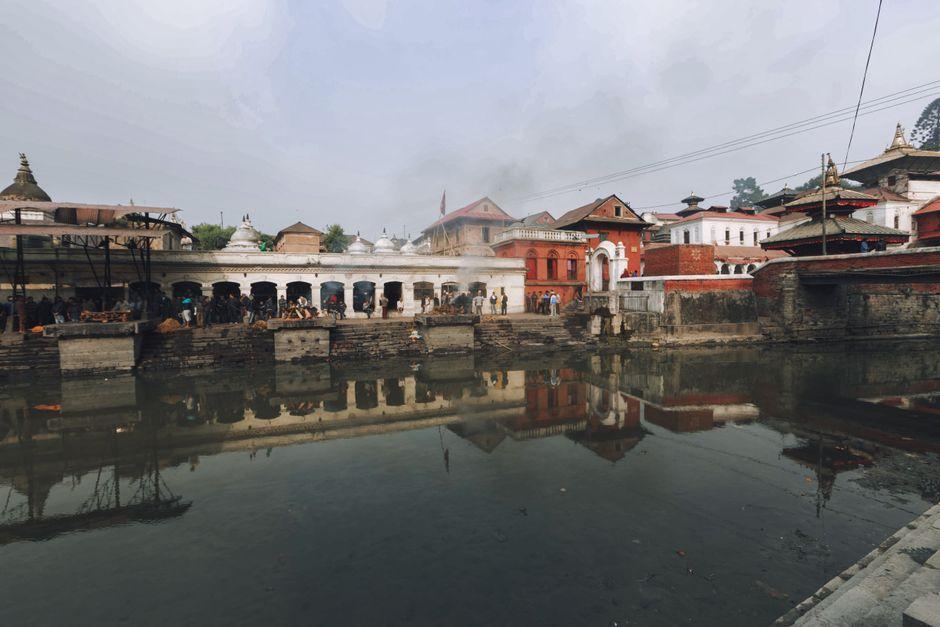
Discover the spiritual essence of Pashupatinath Temple Nepal, explore best things to do at this UNESCO site, engage in sacred rituals, and experience Nepal's...
Best Things to Do in Pashupatinath Temple, Nepal
Introduction
Pashupatinath Temple Nepal stands as a spiritual and architectural marvel on the banks of the sacred Bagmati River in Kathmandu. As one of the most revered Hindu shrines in Nepal, it draws millions of devotees and curious travelers annually. This UNESCO World Heritage Site isn't just a place of worship but a vibrant hub of culture, rituals, and natural beauty. Whether you're seeking spiritual enlightenment or a deep dive into Nepalese traditions, Pashupatinath Temple offers an unforgettable experience. Let’s explore the best things to do here and uncover why it remains a cornerstone of Nepal’s cultural identity.
The Sacred History and Spiritual Significance
Origins of Pashupatinath Temple
Legend has it that Pashupatinath Temple was self-manifested (Swayambhu) in the 8th century. The temple's association with Lord Shiva as Pashupati—the Lord of Animals—dates back to ancient Hindu texts. Over centuries, it evolved into a sacred site for Shaiva devotees, blending Shaivite traditions with local Newari craftsmanship. Its éternity is tied to cremation rituals along the Bagmati River, where Hindus believe the deceased find liberation (moksha).
Architectural Marvel
The temple complex showcases a unique blend of pagoda-style rooflines and traditional Nepalese timberwork. Key features include:
- Golden Dome: Symbolizing Shiva’s omniscience.
- Idol of Pashupatinath: A lingam enshrined in a sanctum, surrounded by intricate carvings.
- 12 Shikhara Towers: Representing cosmic mountains and spiritual stages.
This architectural splendor is matched by its serene ambiance, making it one of Nepal’s most iconic sights.
Best Things to Do at Pashupatinath Temple
Witness the Cremation Rituals
One of the most profound experiences at Pashupatinath is observing the cremation ghats. As the sun rises, families perform sacred rites, offering wood and flowers to the flames. The rhythmic chanting of mantras and the river’s gentle flow create a meditative atmosphere. Tip: Visit early morning or late evening for the most authentic ritual.
Explore the Temple Complex
The main temple is just one part of the vast complex. Don’t miss:
- Mukti Mandir (Temple of Liberation): Near the cremation ghats, offering prayers for the deceased.
- Sayta Niwas Gallery: A museum displaying ritual artifacts and historical accounts.
- Akasa Ganga: The aerial destruction of sins from historical warfare.
Participate in Pilgrimage Customs
Devotees often take a holy dip in the Bagmati River before or after visiting the temple. Scalar and saffron-colored sash-bearing Hindu priests conduct daily rituals at the forecourt. Engaging with these practices offers insight into Nepalese spirituality.
Visit Nearby Ghats and Attractions
The Pashupatinath Temple area is home to multiple ghats, each with unique significance:
- Manohara Ghat: A bustling area for morning aarti (prayer ceremony).
- Narendra Ghat: Less crowded, ideal for quiet reflection.
- Swayambhunath Stupa (Monkey Temple): A 5-minute walk away, combining Buddhist and Hindu elements.
Essential Travel Advice for Visitors
Best Time to Visit
Avoid peak summer (May–June) due to monsoon disruptions and summer heat. The ideal months are October–February, when weather is pleasant and the temple is less crowded.
Dress Code and Etiquette
- Dress modestly: Cover shoulders and knees.
- Women should avoid wearing revealing clothes.
- Remove shoes before entering sacred areas.
Entry Fees and Logistics
- Entry: Free for Hindus; Nepali and Indian citizens pay USD 5 for foreigners.
- Photography: Prohibited inside the main sanctum. Drones are banned in the temple premises.
- Nearby Stays: Kathmandu has budget to luxury hotels within 10–15 minutes’ drive.
FAQs About Pashupatinath Temple
Q: Can non-Hindus visit the temple?
A: Yes, but some rituals may not be accessible without understanding Hindu customs.
Q: Is photography allowed?
A: No, inside the temple or during rituals. Capture the ghats during permitted hours.
Q: What’s the significance of the Bagmati River?
A: It’s considered sacred for purification and is central to cremation rites.
Q: Are there tour guides available?
A: Yes, local guides can be hired in Kathmandu to explain rituals and history.
Q: Is there a dress code for cremation ghats?
A: Modest clothing is required to respect the solemnity of the rituals.
Travel Tips to Enhance Your Experience
- Hire a Local Guide: They provide deeper insights into rituals and history.
- Respect the Space: Avoid loud behavior or intruding on private ceremonies.
- Visit Early: Arrive before 8 AM to beat crowds and witness sunrise rituals.
- Carry Bacha Jawan Malai: A souvenir to offer to priests for blessings.
- Combine with Swayambhunath: Explore both sites in a single day.
Conclusion
Pashupatinath Temple Nepal isn’t just a destination; it’s a spiritual journey. From the haunting beauty of the cremation ghats to the temple’s ancient architecture, every corner whispers tales of faith and tradition. Whether you’re a devout pilgrim or a curious traveler, the best things to do in Pashupatinath Temple revolve around immersing yourself in its timeless rituals and breathtaking Setting. Plan your visit with respect, curiosity, and an open heart to truly appreciate its profound significance.
—
Pro Tip: Combine your visit with a Kathmandu tour package to explore other cultural gems like Bhaktapur and Patan. Let Pashupatinath fill your soul with serenity.