
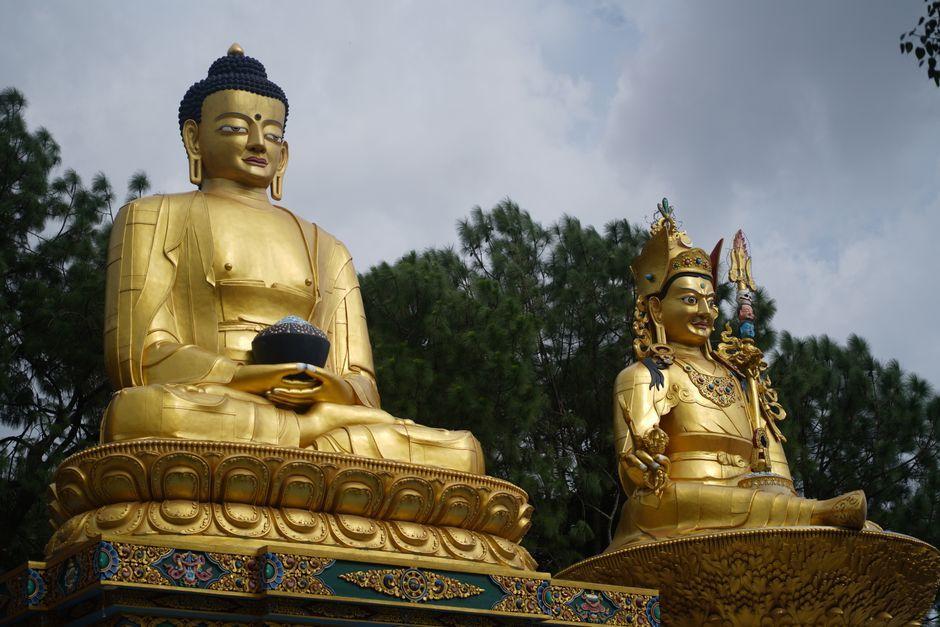
Discover the spiritual charm of Manakamana Temple Nepal with top activities, travel tips, and FAQs for an unforgettable pilgrimage.
Best Things to Do in Manakamana Temple
Introduction
Manakamana Temple Nepal is a revered shrine perched on a hilltop in the serene hills of Gorkha district. Dedicated to the wish‑fulfilling goddess Bhagwati, the temple draws pilgrims and tourists alike. A scenic cable car ride offers panoramic views of the Annapurna range, while the temple’s spiritual aura and natural beauty promise an unforgettable experience. Whether you’re a devout traveler or an adventure seeker, this guide will help you make the most of your visit to the Best Things to Do in Manakamana Temple.
Getting There
By Road
The most common way to reach Manakamana is by road from Kathmandu. The 140‑km journey takes roughly 4–5 hours via the scenic Gokyo–Manakamana route. Buses, vans, and private taxis are available from the Thamel bus station. The road climbs steeply, so be prepared for a winding drive.
By Cable Car
The iconic Manakamana Cable Car, opened in 2009, is a 2‑km aerial lift that takes you from the base station near the village of Manakamana to the temple hilltop. The ride lasts about 10 minutes and offers breathtaking views of the surrounding hills and the distant Annapurna massif. The cable car is open year‑round, but it may close during heavy snowfall or extreme weather.
By Bus
Local buses run from Kathmandu to Gorkha and then to Manakamana. The Gorkha–Manakamana bus stops at the base station of the cable car, making it easy to transfer. Buses are cheaper than taxis but can be crowded during peak pilgrimage season.
Best Things to Do in Manakamana Temple
1. Take the Cable Car
The cable car itself is an attraction. The 2‑km journey offers a unique perspective of the valley, the river, and the snow‑capped peaks. The ride is smooth, and the panoramic windows are perfect for photography.
2. Visit the Temple
The main shrine houses a wooden statue of Bhagwati, the goddess of wishes. Pilgrims offer flowers, incense, and prayers. The temple’s architecture blends traditional Nepali style with subtle influences from the nearby Gurkha region.
3. Explore the Temple Complex
Beyond the main shrine, the complex includes a small museum, a prayer hall, and a meditation garden. The museum displays ancient manuscripts, religious artifacts, and photographs of past pilgrimages.
4. Attend the Puja
If you’re lucky, you can witness a puja (ritual) during the festival season. The most significant is the Manakamana Mela in September, when thousands gather to seek blessings. The atmosphere is electric, with music, dance, and communal feasts.
5. Trek to the Viewpoint
From the temple, a short trek leads to a viewpoint overlooking the Kali Gandaki valley. The trail is well‑marked and takes about 30 minutes. The view of the Annapurna range is especially stunning at sunrise.
6. Photography
Manakamana Temple Nepal offers countless photo opportunities: the cable car, the temple’s intricate carvings, the surrounding hills, and the bustling pilgrim crowds. Sunrise and sunset are the best times for golden‑hour shots.
7. Local Cuisine
The temple’s base station hosts a small food stall that serves traditional Nepali dishes like dal bhat, momo, and gundruk. Try the local tea, which is brewed with fresh herbs from the hills.
8. Cultural Experience
Interact with the local Gurkha community. Many vendors sell handmade crafts, embroidered shawls, and silver jewelry. Learning a few words in Nepali or Gurkha can enrich your experience.
Practical Travel Advice
Timing
The best time to visit is between October and March when the weather is clear and the skies are blue. Avoid the monsoon season (June–September) as roads can be slippery and the cable car may close.
Weather
The temperature at the temple can drop to 5°C (41°F) in winter. Pack a light jacket, gloves, and a hat. In summer, the base station can reach 30°C (86°F), so wear breathable clothing.
Dress Code
Respect the temple’s sanctity by dressing modestly. Women should wear long skirts or pants and cover their shoulders. Men should avoid shorts and sleeveless shirts.
Currency
The local currency is the Nepalese Rupee (NPR). ATMs are available at the base station, but it’s wise to carry some cash for small purchases and tips.
Safety
The cable car is operated by a reputable company and follows strict safety protocols. However, always keep a close eye on children and avoid standing on the edge of the platform.
FAQs
Q1: How long does the cable car ride take?
A1: The ride lasts about 10 minutes, covering a 2‑km distance.
Q2: Is there an entry fee to the temple?
A2: No, entry is free. However, donations are accepted and appreciated.
Q3: Can I bring a camera?
A3: Yes, photography is allowed, but avoid using flash inside the shrine.
Q4: Are there any restrictions for visitors?
A4: Respect the dress code, keep noise levels low, and refrain from touching sacred objects.
Q5: What is the best time of day to visit?
A5: Early morning (6–8 am) offers cooler temperatures and fewer crowds, while sunset provides beautiful light for photography.
Travel Tips
- Book the cable car tickets in advance during peak season to avoid long queues.
- Carry a small backpack with water, snacks, and a rain jacket.
- Use a local SIM card for navigation and communication.
- Respect local customs: remove shoes before entering the shrine and avoid pointing your feet at sacred objects.
- Plan a return trip: the cable car can close unexpectedly, so have a backup plan.
Conclusion
Manakamana Temple Nepal is more than a pilgrimage site; it’s a cultural hub, a natural wonder, and a place of profound spiritual significance. By taking the cable car, exploring the temple complex, attending a puja, and immersing yourself in local traditions, you’ll experience the Best Things to Do in Manakamana Temple in all its glory. Whether you seek blessings, adventure, or simply a moment of peace, the hilltop shrine offers an unforgettable journey that will stay with you long after you return home.