
Discover the best things to do at Kalinchowk Bhagwati Temple Nepal – cable car rides, panoramic views, treks, festivals, and practical tips for an unforgetta...
Best Things to Do in Kalinchowk Bhagwati Temple Nepal
Introduction
Nestled high in the Himalayan foothills of Nepal, Kalinchowk Bhagwati Temple is a sacred destination that blends spirituality, adventure, and breathtaking scenery. Perched at an altitude of about 3,842 meters (12,605 feet) above sea level, the temple offers panoramic views of the Langtang, Ganesh Himal, and even the distant peaks of Mt. Everest on clear days. The journey to the shrine combines rugged mountain trails, lush rhododendron forests, and a modern cable car ride that makes the ascent accessible to pilgrims and tourists alike. Whether you are seeking spiritual solace, a thrilling trek, or simply a chance to witness some of the most stunning vistas Nepal has to offer, Kalinchowk delivers an unforgettable experience.
This guide provides everything you need to know to plan your visit, from practical travel advice and cultural insights to a detailed list of the best things to do at Kalinchowk Bhagwati Temple. Read on to discover why this hidden gem should be on every traveler’s itinerary when exploring Nepal.
Overview of Kalinchowk Bhagwati Temple
Location and Significance
Kalinchowk Bhagwati Temple is situated in the Dolakha District of central Nepal, roughly 132 kilometers (82 miles) east of Kathmandu. The temple is dedicated to the goddess Bhagwati, a fierce manifestation of Shakti revered by Hindus and Buddhists alike. Local legend says the goddess appeared here to protect the region from evil forces, and the site has been a place of worship for centuries.
Altitude and Climate
At roughly 3,842 meters, Kalinchowk experiences a subtropical highland climate. Summers (March to May) are mild with daytime temperatures ranging from 10°C to 20°C (50°F to 68°F). Winters (December to February) can be harsh, with temperatures often dropping below freezing and frequent snowfall that transforms the landscape into a winter wonderland. The monsoon season (June to September) brings heavy rains, making trails slippery but also ushering in lush greenery.
How to Reach Kalinchowk
- By Road: The most common route is to drive from Kathmandu to Charikot (the district headquarters of Dolakha) via the Araniko Highway, then continue on a winding mountain road to Kuri Village, the base point for the temple. The drive takes about 6‑8 hours depending on road conditions.
- By Public Bus: Regular buses operate from Kathmandu’s Gongabu Bus Park to Charikot. From Charikot, local jeeps or shared taxis can take you to Kuri.
- By Cable Car: The Kalinchowk Cable Car, inaugurated in 2019, runs from Kuri Village to a point just below the temple. The ride spans approximately 2.5 kilometers and offers spectacular aerial views of the surrounding valleys and peaks.
- Trekking Option: For the adventurous, a trek from Kuri to the temple takes about 2‑3 hours through pine and rhododendron forests, providing a more immersive experience.
Best Things to Do in Kalinchowk Bhagwati Temple
1. Experience the Cable Car Ride
The Kalinchowk Cable Car is not just a convenience; it is an attraction in itself. Gliding above terraced fields, dense forests, and rocky cliffs, the ride provides a bird’s‑eye view of the Himalayan landscape. The cable car operates from early morning until late afternoon, with each cabin accommodating up to eight passengers. It is especially popular during sunrise and sunset when the mountains are bathed in golden light.
2. Pay Homage at the Bhagwati Temple
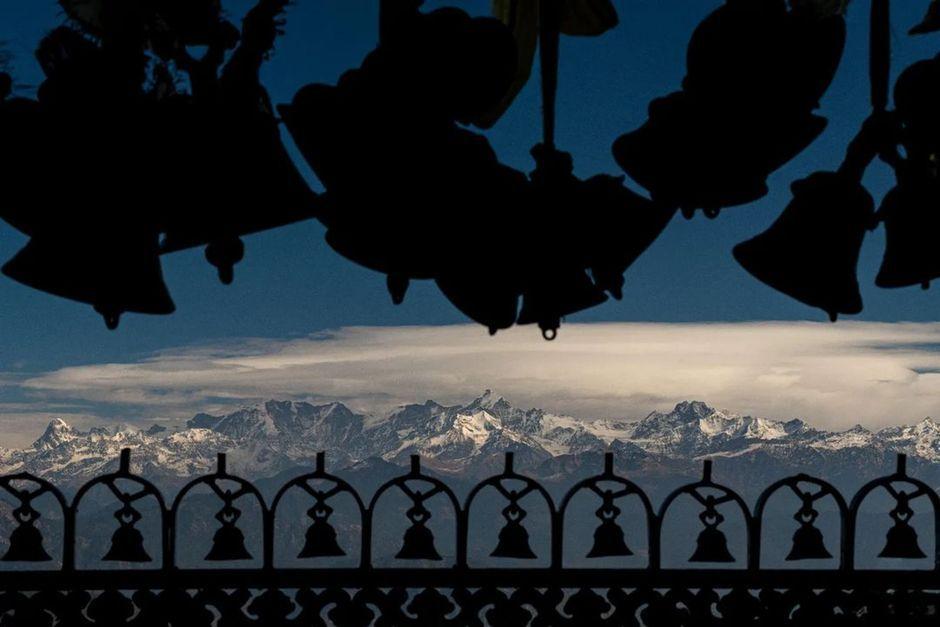
The main shrine is a modest stone structure adorned with colorful prayer flags, bells, and offerings of flowers and incense. Pilgrims typically perform a puja (ritual worship) by lighting incense, ringing the temple bell, and offering prasad (sacred food). Visitors are welcome to observe or participate, but it is important to dress modestly and remove shoes before entering the inner sanctum.
3. Enjoy Panoramic Mountain Views
From the temple premises, you can see a 360‑degree panorama that includes:
- Langtang Lirung (7,227 m) to the northwest
- Ganesh Himal range (7,422 m) to the north
- Dorje Lakpa (6,966 m) to the northeast
- On exceptionally clear days, the far‑off summit of Mt. Everest (8,848 m) can be glimpsed to the east.
Bring a good pair of binoculars or a camera with a zoom lens to capture these distant peaks.
4. Explore the Surrounding Trails
Kalinchowk serves as a gateway to several trekking routes:
- Kalinchowk to Kuri Village Trail: A gentle downhill walk that passes through traditional Tamang settlements.
- Kalinchowk to Sherpa Gaun: A moderate trek that offers insights into Sherpa culture and leads to beautiful alpine meadows.
- Kalinchowk to Lamjung: A longer multi‑day trek connecting to the popular Lamjung region, suitable for experienced hikers.
Trail markers are modest, so hiring a local guide is recommended, especially if you plan to venture beyond the immediate temple area.
5. Witness the Sunrise and Sunset
Due to its high altitude and unobstructed horizon, Kalinchowk is renowned for its spectacular sunrise and sunset views. The early morning light paints the snow‑capped peaks in shades of pink and orange, while the evening sky often turns deep violet as the sun dips behind the mountains. Many visitors time their cable car ride to coincide with these moments for an unforgettable photographic opportunity.
6. Participate in Local Festivals
If your visit aligns with certain Hindu festivals, you can witness vibrant celebrations at the temple. Key events include:
- Dashain (September/October): The temple sees a surge of devotees offering animal sacrifices and receiving tika (blessed rice).
- Tihar (October/November): Known as the festival of lights, the temple complex is illuminated with oil lamps and marigold garlands.
- Bala Chaturdashi (November): A unique festival where devotees scatter seeds and grains to honor deceased ancestors.
Participating respectfully in these festivities offers a deep cultural immersion.
7. Visit Nearby Monasteries and Gompas
A short walk from the temple leads to several Buddhist gompas (monasteries) that reflect the region’s religious syncretism. The Kalinchowk Monastery houses ancient thangka paintings and offers meditation sessions for visitors. Engaging with the monks can provide insight into the Buddhist practices that coexist with Hindu worship in this Himalayan locale.
8. Try Local Cuisine
Food stalls around Kuri Village and the cable car station serve hearty Nepali dishes perfect for refueling after a trek or a spiritual visit. Must‑try items include:
- Dal Bhat (lentil soup with rice) – the staple meal.
- Gundruk (fermented leafy greens) – a tangy side dish.
- Sel Roti (sweet rice bread) – a festive snack.
- Thukpa (noodle soup) – especially comforting in cold weather.
Many establishments also offer hot butter tea, a traditional Tibetan beverage that helps combat the chill.
9. Capture the Flora and Fauna
The forests surrounding Kalinchowk are rich in biodiversity. In spring, the hills burst into color with blooming rhododendrons, Nepal’s national flower. Wildlife enthusiasts may spot species such as the Himalayan monal (the national bird), barking deer, and various species of pheasants. Early morning walks increase the chances of wildlife sightings.
10. Practice Yoga and Meditation
The serene environment, combined with the spiritual energy of the temple, makes Kalinchowk an ideal spot for yoga and meditation. Several guesthouses offer yoga platforms with mountain views, and some local instructors conduct sunrise sessions. Practicing here allows you to synchronize breath with the majestic Himalayan backdrop.
Practical Travel Tips
- Acclimatization: Although Kalinchowk is not as high as Everest Base Camp, spending a night at a moderate altitude (e.g., in Kathmandu or Charikot) before ascending can help reduce the risk of altitude sickness.
- What to Pack: Layered clothing is essential. Include a warm jacket, gloves, hat, and sturdy waterproof boots for trekking. A good sunscreen, lip balm with SPF, and sunglasses protect against strong UV radiation at altitude.
- Cash: ATMs are scarce in Dolakha; carry sufficient Nepali rupees for meals, transport, and offerings.
- Connectivity: Mobile coverage is intermittent; consider purchasing a local SIM card with data coverage from NTC or Ncell, but be prepared for limited service in higher elevations.
- Respect Local Customs: Dress modestly, ask permission before photographing people, and follow any instructions from temple priests or monastery monks.
- Health: Carry a basic first‑aid kit, any personal medication, and water purification tablets or a filter, as streams may not be safe to drink directly.
- Environmental Responsibility: Stick to marked trails, avoid littering, and use refillable water bottles to minimize plastic waste.
Seasonal Considerations
| Season | Weather | Pros | Cons |
|---|---|---|---|
| Spring (Mar‑May) | Mild, clear skies | Blooming rhododendrons, great visibility | Occasional afternoon winds |
| Summer (Jun‑Aug) | Warm, monsoon rains | Lush greenery, fewer crowds | Slippery trails, leeches, limited mountain views |
| Autumn (Sep‑Nov) | Cool, stable | Best mountain vistas, festive season (Dashain/Tihar) | Peak tourist period, higher accommodation prices |
| Winter (Dec‑Feb) | Cold, snowfall | Snow‑covered landscapes, serene atmosphere | Sub‑zero temperatures, possible road closures, cable car may pause in extreme weather |
Choosing the right season depends on your preferences for weather, crowd levels, and activities.
Frequently Asked Questions (FAQs)
Q1: Is Kalinchowk Bhagwati Temple accessible year‑round?
A: The temple is accessible throughout the year, but the cable car may suspend operations during heavy snowfall or extreme weather. Road access to Kuri Village can also be affected by landslides during the monsoon.
Q2: Do I need a permit to visit Kalinchowk?
A: No special permit is required for Nepali citizens or foreign tourists visiting Kalinchowk for tourism or pilgrimage. However, if you plan to trek beyond the temple into restricted areas (e.g., certain conservation zones), you may need a TIMS card or local area permit.
Q3: Is the cable car safe for children and elderly visitors?
A: Yes, the cable car is designed with safety features such as emergency brakes and regular maintenance checks. Cabins accommodate up to eight persons, and staff assist with boarding and disembarking. It is advisable to check with the operator for any age or health restrictions.
Q4: Are there accommodation options near the temple?
A: Basic guesthouses and lodges are available in Kuri Village, offering rooms with shared bathrooms and meals. For more comfort, some visitors stay in Charikot and make a day trip to Kalinchowk.
Q5: Can I trek from Kalinchowk to other popular destinations?
A: Yes, Kalinchowk serves as a trailhead for routes toward Sherpa Gaun, Lamjung, and even connecting to the broader Ganesh Himal trekking network. Hiring a local guide is recommended for longer treks.
Q6: What is the best time to see snow at Kalinchowk?
A: The likelihood of snowfall is highest from December to February. Early morning visits during these months often reveal a fresh blanket of snow on the temple grounds and surrounding peaks.
Q7: Are there any health risks associated with the altitude?
A: At 3,842 meters, mild altitude symptoms such as headache or shortness of breath can occur, especially for those ascending rapidly. Staying hydrated, avoiding alcohol, and taking it easy the first day can mitigate risks.
Q8: Is photography allowed inside the temple?
A: Photography is generally permitted in the outer courtyard, but inside the sanctum it is often discouraged out of respect for religious practices. Always look for signage or ask a priest before taking photos.
Q9: What should I offer as prasad if I wish to participate in the puja?
A: Common offerings include fruits, sweets, incense sticks, and a small monetary donation. It is best to check with the temple priest for any specific preferences.
Q10: How can I contribute to the preservation of Kalinchowk’s natural and cultural heritage?
A: Respect waste disposal guidelines, support locally owned businesses, avoid picking plants or disturbing wildlife, and consider donating to community‑run conservation initiatives if available.
Conclusion
Kinchowk Bhagwati Temple stands as a testament to Nepal’s rich tapestry of spirituality, natural beauty, and cultural harmony. Whether you arrive by cable car, trek through fragrant forests, or simply sit in quiet contemplation before the ancient shrine, the experience leaves an indelible mark on the heart and mind. The combination of awe‑inspiring Himalayan vistas, vibrant religious rituals, and warm local hospitality makes Kalinchowk a destination that appeals to pilgrims, adventurers, and peace‑seekers alike.
By following the practical tips, respecting local customs, and timing your visit to suit your interests, you can ensure a safe, rewarding, and memorable journey to this Himalayan sanctuary. Pack your bags, lace up your boots, and let the majestic peaks of Kalinchowk guide you toward an unforgettable Nepal adventure.
—
Safe travels and may the blessings of Bhagwati accompany you on your path.