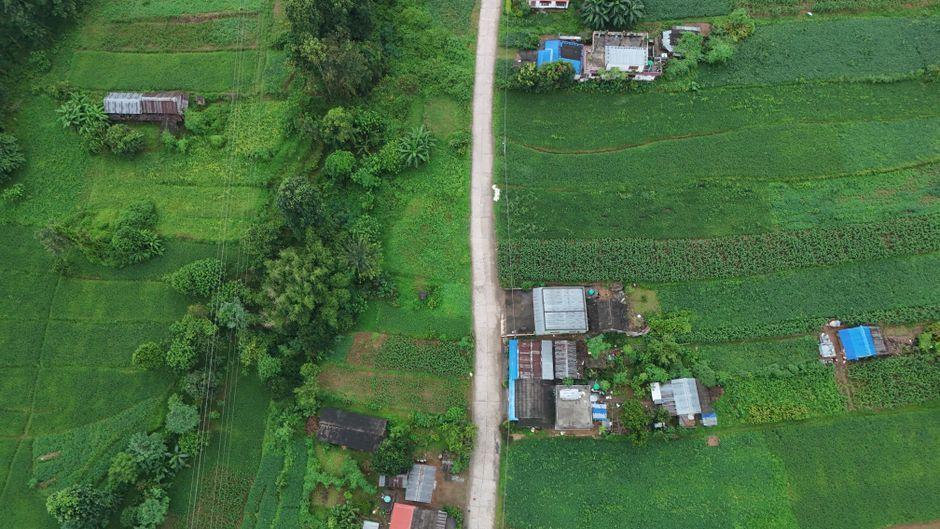
Explore Gorkha Nepal’s rich heritage, iconic palace, sacred Manakamana Temple, and thrilling treks – the best things to do in Gorkha.
Best Things to Do in Gorkha
Introduction
Nestled in the heart of central Nepal, Gorkha is a historic town that blends cultural richness with a proud military legacy. Known for its iconic Gorkha Palace, the birthplace of Nepal’s unification, and the sacred Manakamana Temple, this Himalayan gem offers a unique blend of heritage and spirituality. Whether you’re a history enthusiast, a trekking aficionado, or simply looking for a serene escape, Gorkha promises unforgettable adventures.
1. Explore the Gorkha Palace
The Gorkha Palace, also called the Gorkha Durbar, stands as a testament to the architectural brilliance of the 18th century. Built by King Prithvi Narayan Shah, the palace complex showcases a blend of traditional Nepali and European styles. Key highlights include:
- The Royal Hall: A grand hall that once hosted royal ceremonies.
- The War Museum: Exhibits artifacts from the unification campaigns.
- The Gardens: Lush greenery that offers panoramic views of the surrounding hills.
Visiting the palace early in the morning not only helps avoid crowds but also lets you witness the sunrise over the hills, a truly magical experience.
2. Visit the Sacred Manakamana Temple
The Manakamana Temple, perched on a hilltop, is one of Nepal’s most revered pilgrimage sites. Pilgrims from all over the country come to seek blessings for their wishes. The temple is accessible via a cable car that offers breathtaking views of the valley below. Highlights include:
- The Cable Car Ride: A 20‑minute journey that takes you above the forest canopy.
- The Temple Grounds: A serene space where you can offer prayers and enjoy the cool mountain air.
- The Viewpoint: From the top, you can see the entire Gorkha district and the distant Himalayas.
Don’t forget to bring a small offering, such as a flower or a candle, to honor the deity.
3. Trek the Gorkha Circuit
For the adventurous traveler, the Gorkha Circuit Trek is a must‑do. This moderate‑level trek takes you through lush forests, terraced fields, and traditional villages. Key stops include:
- Kharan: A small village known for its terraced rice paddies.
- Bhojpur: A historic town with ancient temples and a vibrant market.
- Gorkha Bazaar: The bustling market where you can sample local delicacies.
The trek typically takes 4–5 days, and you can arrange guided tours through local agencies. The best time to trek is between October and April when the weather is clear and the skies are blue.
4. Experience Local Culture
Gorkha’s cultural tapestry is woven with festivals, music, and traditional crafts. Some cultural experiences worth exploring are:
- Gorkha Durbar Festival: Celebrated every year in the month of Baisakh, featuring music, dance, and a reenactment of the unification battle.
- Handicraft Workshops: Learn how to weave traditional Nepali textiles or carve wooden statues.
- Local Cuisine: Try the famous “Gorkha Thali,” a platter of lentils, rice, vegetables, and meat, served with fresh bread.
These activities provide a deeper understanding of the region’s heritage and the daily lives of its people.
5. Practical Travel Tips
When to Visit
- Peak Season: May to September – ideal for trekking and outdoor activities.
- Off‑Season: October to April – cooler temperatures and fewer tourists.
Getting There
- By Air: The nearest airport is Pokhara, about 2 hours by road. From Pokhara, you can hire a taxi or take a local bus to Gorkha.
- By Road: Direct buses run from Kathmandu to Gorkha, taking roughly 4–5 hours.
Accommodation
- Budget: Guesthouses and hostels in Gorkha Bazaar offer rooms from NPR 1,500 per night.
- Mid‑Range: Boutique hotels with panoramic views start at NPR 4,000.
- Luxury: Resorts in the hills provide spa services and fine dining.
Health & Safety
- Altitude: Gorkha sits at 1,200 meters; most visitors acclimatize easily. However, carry water and avoid alcohol on the first day.
- Vaccinations: Routine vaccines are sufficient; check with your travel clinic for any updates.
Currency & Payments
- Cash: Nepali rupees are widely accepted. ATMs are available in Pokhara and Kathmandu.
- Cards: Credit cards work in larger hotels and restaurants, but carry cash for smaller vendors.
FAQs
Q1: How far is Gorkha from Kathmandu?
A1: Approximately 120 kilometers, a 4–5 hour drive via the scenic Chitwan–Gorkha highway.
Q2: Is the Gorkha Palace open to the public?
A2: Yes, the palace is open daily from 9 AM to 5 PM. Guided tours are available for a small fee.
Q3: Can I take the cable car to Manakamana Temple?
A3: Absolutely. The cable car operates daily, with tickets costing around NPR 200 per person.
Q4: What is the best time for trekking in Gorkha?
A4: The months of October to April offer clear skies and mild temperatures, ideal for trekking.
Q5: Are there any local festivals I should not miss?
A5: The Gorkha Durbar Festival in Baisakh and the Gorkha New Year celebrations in December are must‑see events.
Conclusion
Gorkha Nepal is a treasure trove of history, spirituality, and natural beauty. From the majestic Gorkha Palace to the serene Manakamana Temple, and from the thrilling trekking routes to the vibrant local culture, every corner of Gorkha offers a unique experience. Whether you’re a history buff, a trekking enthusiast, or a cultural explorer, the best things to do in Gorkha will leave you with memories that last a lifetime. Pack your bags, bring your curiosity, and let Gorkha’s timeless charm captivate you.