Discover the top experiences, tips, and FAQs for trekking to Everest Base Camp, Nepal – the ultimate Himalayan adventure.
Best Things to Do in Everest Base Camp
Introduction
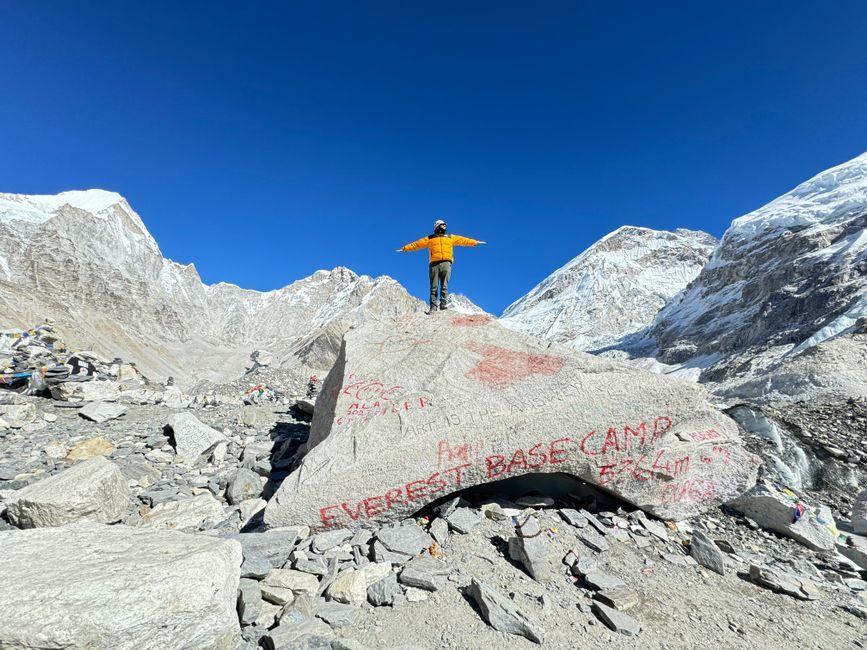
Everest Base Camp (EBC) sits at 5,364 meters on the slopes of Mount Everest in Nepal's Sagarmatha National Park. Trekking to EBC is more than a walk; it is a journey into the heart of the Himalayas, where towering peaks, ancient monasteries, and warm Sherpa hospitality combine to create a life‑changing experience. Whether you are a seasoned mountaineer or a first‑time high‑altitude trekker, the trail offers countless opportunities to marvel at nature, learn about local culture, and push your personal limits. This guide highlights the best things to do along the route, provides practical advice, and answers common questions to help you plan an unforgettable adventure.
1. Experience the Classic Everest Base Camp Trek
The core of any visit to EBC is the trek itself. Starting from Lukla (2,860 m), the trail follows the Dudh Koshi valley, passes through Phakding, Namche Bazaar, Tengboche, Dingboche, Lobuche, and finally reaches Gorak Shep before the final push to Base Camp. Along the way you will:
- Walk suspension bridges over roaring glacial rivers.
- Trek through rhododendron forests that explode with color in spring.
- Cross high alpine meadows dotted with yak herds.
- Enjoy panoramic vistas of Ama Dablam, Lhotse, Nuptse, and of course Everest.
Most trekkers allocate 12‑14 days for the round trip, allowing ample time for acclimatization and side excursions.
2. Acclimatization Stops – Namche Bazaar and Dingboche
Proper acclimatization is essential to avoid altitude sickness. Two key rest days are built into the itinerary:
Namche Bazaar (3,440 m)
Known as the gateway to the high Himalayas, Namche offers:
- A vibrant Saturday market where locals trade goods from Tibet and the lowlands.
- The Sherpa Culture Museum and the Everest Photo Gallery.
- Short hikes to Everest View Hotel (3,880 m) or Khumjung for stunning views of Everest and Ama Dablam.
Dingboche (4,410 m)
Dingboche provides a more austere setting ideal for higher altitude adjustment:
- Day hikes to Nagarjun Hill (5,100 m) or Chukkung Ri (5,550 m) for breathtaking panoramas.
- Opportunities to visit the Imja Tse (Island Peak) base camp area.
- Quiet tea houses where you can interact with Sherpa families and learn about their farming practices.
Spending an extra night at each of these locations significantly improves your chances of reaching Base Camp safely.
3. Visit Tengboche Monastery
At 3,860 m, Tengboche Monastery is the spiritual heart of the Khumbu region. The monastery's colorful prayer flags, intricate murals, and the resonant chanting of monks create a serene atmosphere. Many trekkers time their arrival to coincide with the evening puja (prayer ceremony), offering a chance to observe Buddhist rituals and receive a blessing for a safe journey. The backdrop of Ama Dablam looming behind the monastery makes for one of the most photographed scenes on the trail.
4. Explore the Sherpa Villages
Beyond the main trail, several side villages provide deeper cultural immersion:
- Khumjung: Home to the famous Hillary School and a purported Yeti scalp displayed at the monastery.
- Phortse: Known for its traditional Sherpa architecture and warm hospitality.
- Pangboche: Houses the ancient Pangboche Monastery, believed to be the oldest in the region.
Walking through these villages lets you observe daily life, taste homemade buckwheat pancakes (buckwheat dhindo), and purchase handmade woolen goods directly from artisans.
5. Adventure Side Trips
If you have extra days or seek additional thrills, consider these side trips:
Kala Patthar (5,545 m)
The most popular viewpoint for Everest. A pre‑dawn hike from Gorak Shep rewards you with a 360‑degree panorama of Everest’s summit bathed in sunrise light. The climb is steep but short (about 2‑3 hours round trip) and does not require technical gear.
Gokyo Lakes and Gokyo Ri
A detour west from Namche leads to the turquoise Gokyo Lakes. Climbing Gokyo Ri (5,357 m) offers a rival view of Everest, Lhotse, and Makalu, often less crowded than Kala Patthar. The lakes themselves are sacred and perfect for quiet reflection.
Island Peak (Imja Tse) Base Camp
For those with basic mountaineering skills, a short trek to Island Peak base camp (5,087 m) provides a taste of high‑altitude climbing. Many trekkers combine this with the EBC route for a “peak‑and‑base‑camp” adventure.
6. Photography Opportunities
The Everest region is a photographer’s dream. Key spots include:
- Sunrise over Kala Patthar – golden light on Everest’s summit.
- Tengboche Monastery with Dusk – prayer flags fluttering against a purple sky.
- Gokyo Lakes – mirror‑like waters reflecting surrounding peaks.
- Suspension Bridges – dramatic lines over the Dudh Koshi river.
- Sherpa Faces – candid portraits that capture resilience and warmth.
Bring a spare battery (cold drains power fast) and a lens cleaning kit for dusty conditions.
7. Practical Travel Advice
Permits and Fees
- Sagarmatha National Park Permit: Required for all trekkers; obtainable in Kathmandu or Monjo.
- TIMS Card (Trekkers' Information Management System): Mandatory for trekking in Nepal.
- Costs are approximately USD 30 for the park permit and USD 20 for the TIMS card (subject to change).
Best Time to Trek
- Pre‑monsoon (March to May): Stable weather, blooming rhododendrons, clear views.
- Post‑monsoon (late September to November): Crisp air, excellent visibility, fewer crowds.
Avoid the monsoon (June‑August) due to heavy rain and leeches, and the deep winter (December‑February) for extreme cold and possible trail closures.
Gear Checklist
- Clothing: Layered system – moisture‑wicking base, insulating fleece or down jacket, waterproof shell.
- Footwear: Sturdy broken‑in trekking boots; gaiters for snow.
- Accessories: UV‑protected sunglasses, sunscreen (SPF 50+), hat, gloves, warm hat, buff.
- Equipment: Trekking poles, headlamp with extra batteries, water purification tablets or filter, first‑aid kit, diamox (acetazolamide) after consulting a doctor.
- Health: Stay hydrated, eat high‑carb meals, ascend slowly, and listen to your body. Consider a pulse oximeter to monitor SpO₂.
Food and Accommodation
Tea houses along the route provide basic but comfortable lodging (shared rooms, blankets) and meals ranging from dal bhat (lentil soup with rice) to Tibetan bread, eggs, and chocolate. Prices increase with altitude; budget USD 25‑35 per day for food and lodging.
Guides and Porters
Hiring a licensed guide enhances safety and cultural insight. Porters can carry up to 20 kg, letting you trek lighter. Verify credentials through the Trekking Agencies' Association of Nepal (TAAN).
8. Frequently Asked Questions (FAQs)
Q1: Do I need prior trekking experience to reach Everest Base Camp?
A: No technical climbing skills are required, but good physical fitness and some trekking experience help. Regular cardio and strength training before the trip are recommended.
Q2: How dangerous is altitude sickness on the EBC trek?
A: Altitude sickness (AMS) can affect anyone above 2,500 m. Symptoms include headache, nausea, and dizziness. Proper acclimatization, hydration, and possibly prophylactic medication reduce risk. Severe forms (HAPE/HACE) are rare but require immediate descent.
Q3: Can I trek independently without a guide?
A: Legally, you must have a guide or porter if you are a foreign national trekking in restricted areas; however, the Everest region is open to independent trekkers with the required permits. Many choose a guide for navigation and safety.
Q4: What is the average daily walking distance?
A: Expect 10‑15 km per day, with 5‑7 hours of walking. The ascent to Base Camp from Gorak Shep is about 3 km uphill.
Q5: Is there internet or phone coverage on the trail?
A: Limited mobile service exists in Namche and some larger villages; satellite phones are recommended for emergencies. Many tea houses offer paid Wi‑Fi, but speeds are slow.
Q6: Are there ATM or banking facilities?
A: No ATMs beyond Namche. Carry sufficient cash (Nepali rupees) for the entire trek; small denominations are useful for tea house purchases.
Q7: What should I do with waste?
A: Practice 'Leave No Trace.' Pack out all non‑biodegradable waste; many tea houses have biodegradable pits for food scraps. Use designated toilets where available.
9. Additional Travel Tips
- Start Early: Begin each day’s trek soon after sunrise to maximize daylight and avoid afternoon clouds.
- Pace Yourself: Use the 'pole‑pole' (slowly slowly) Swahili mantra familiar to Himalayan trekkers; slow and steady wins the race.
- Respect Local Customs: Dress modestly, remove shoes before entering monasteries, and ask permission before photographing people.
- Carry Snacks: Energy bars, nuts, and chocolate help maintain blood sugar during long ascents.
- Stay Warm at Night: Nights can drop below −10 °C; a good sleeping bag rated to −20 °C is essential.
- Know Emergency Procedures: Familiarize yourself with evacuation options; helicopter rescues are available but costly—ensure travel insurance covers high‑altitude evacuation.
- Enjoy the Journey: While reaching Base Camp is a goal, the true reward lies in the landscapes, friendships, and personal growth experienced each day.
Conclusion
Trekking to Everest Base Camp is a bucket‑list adventure that blends natural grandeur, cultural richness, and personal challenge. By following the routes outlined above—taking time to acclimatize, visiting monasteries and Sherpa villages, enjoying side trips to Kala Patthar or Gokyo, and respecting local customs—you will create memories that last a lifetime. Prepare wisely, travel responsibly, and let the Himalayas inspire you to reach new heights, both on the trail and within yourself.