
Explore Dolpo’s hidden valleys, sacred monasteries, crystal‑capped peaks, and pristine lakes in this ultimate guide to the best things to do in Dolpo, Nepal.
Best Things to Do in Dolpo
Introduction
Dolpo, nestled in the far‑west of Nepal, remains one of the country’s last frontiers. Shielded by towering peaks and restricted access, this isolated valley preserves a way of life that has changed little for centuries. Travelers who venture here are rewarded with stark, lunar‑like landscapes, deep‑blue lakes, and ancient monasteries that echo with Tibetan chants. The region’s spiritual heart beats around Shey Gompa and the legendary Crystal Mountain, while the turquoise waters of Phoksundo Lake offer a tranquil counterpoint to the rugged trails. In this guide we outline the best things to do in Dolpo, from high‑altitude treks to cultural immersions, and provide practical advice to help you plan a safe, respectful journey.
Getting There
Reaching Dolpo requires patience and preparation. Most travelers fly from Kathmandu to Nepalgunj, then take a domestic flight to Juphal Airport in the Dolpa district. From Juphal, a multi‑day trek on foot is the only way to enter the inner valleys. Alternatives include a longer overland route via Surkhet and Dunai, but road conditions are often challenging, especially during the monsoon. Because Dolpo falls under a restricted area, you must obtain a special permit issued by the Department of Immigration in Kathmandu, usually arranged through a registered trekking agency. Expect to show your permit at several checkpoints along the trail.
When to Visit
The optimal window for visiting Dolpo stretches from late May to early October. During this period the snow melts enough to open high passes, and daytime temperatures in the valleys range from 10 °C to 20 °C, while nights can drop below freezing. The pre‑monsoon months of May and June offer clear skies and blooming alpine flora, whereas September and October provide stable weather after the rains have subsided. Winter treks are possible only for experienced mountaineers equipped for extreme cold and heavy snowfall, and they require additional permits and logistics.
Top Attractions
Shey Gompa (Crystal Monastery)
Perched at approximately 4,500 metres, Shey Gompa is the spiritual centre of Dolpo. Built in the 11th century, the monastery houses ancient murals, statues of Guru Rinpoche, and a revered collection of Buddhist texts. The surrounding area is dotted with mani walls and prayer flags that flutter in the constant wind. Visitors can join the monks for morning chanting, explore the meditation caves behind the temple, and witness the annual Shey festival, which draws pilgrims from across the Himalaya.
Crystal Mountain
Known locally as Crystal Mountain, this striking peak rises to 6,822 metres and is famed for its translucent quartz veins that catch the sunlight like a giant gemstone. The mountain is considered sacred in Bon and Tibetan Buddhist traditions, and many trekkers regard reaching its base as a spiritual achievement. While summit attempts are technical and reserved for experienced climbers, the trek to the mountain’s base camp offers breathtaking vistas of the surrounding Himalayan range and the turquoise sheath of Phoksundo Lake far below.
Phoksundo Lake
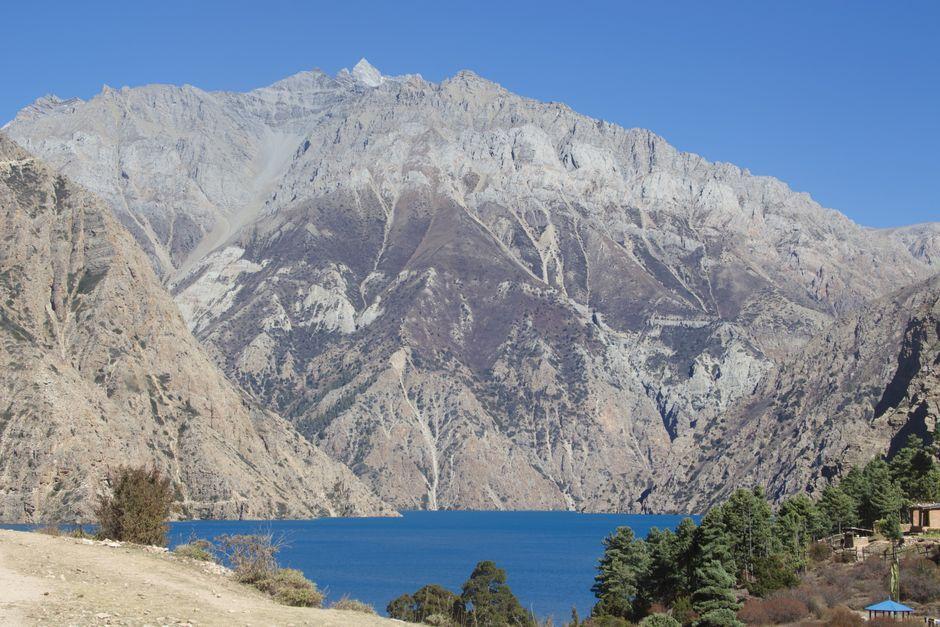
Phoksundo Lake, Nepal’s deepest lake at over 145 metres, sits at an altitude of 3,600 metres within Shey Phoksundo National Park. Its water shifts from deep indigo to vivid turquoise depending on the angle of the sun, creating a mesmerizing panorama. The lake’s shores are lined with pine forests and traditional Tibetan‑style stone houses. A leisurely walk around the lake reveals hidden waterfalls, grazing yak herds, and the chance to spot elusive wildlife such as the blue sheep and snow leopard. Many trekkers camp overnight on its eastern shore to enjoy sunrise over the water.
Dho Tarap Valley
Dho Tarap is one of the highest permanently inhabited settlements in the world, lying at about 4,000 metres. The valley is characterized by its distinctive flat‑roofed stone houses, narrow alleyways, and vibrant community life. Visitors can observe daily rituals, sample local barley beer (chang), and learn about the unique Dolpo‑pa dialect, which retains many archaic Tibetan features. The valley also serves as a gateway to the challenging Kang La pass, which leads toward the Tibetan plateau.
Kang La Pass
At 5,360 metres, Kang La is a high mountain pass that connects Dolpo with the Tibetan region of Mustang. Crossing Kang La offers panoramic views of snow‑capped giants such as Dhaulagiri and Annapurna. The pass is often traversed as part of the Upper Dolpo trek, and trekkers should be prepared for strong winds, low oxygen levels, and rapidly changing weather. Proper acclimatization and a knowledgeable guide are essential for a safe crossing.
Trekking Routes
Upper Dolpo Trek
The Upper Dolpo trek is a classic 20‑ to 25‑day circuit that takes you from Juphal to Shey Gompa, across Kang La, and down to the Tarap Valley before returning via the same route. Highlights include visits to remote monasteries, high‑altitude lakes, and encounters with nomadic herders. The trail is largely undisturbed, offering a true sense of wilderness. Trekkers must carry sufficient supplies, as there are limited teahouses beyond the main villages.
Lower Dolpo Trek
A shorter alternative, the Lower Dolpo trek spans roughly 12‑15 days and focuses on the southern part of the region. Starting from Juphal, the route follows the Bheri River, passes through the village of Dunai, and heads toward Phoksundo Lake before looping back via the Suligad Valley. This trek provides excellent views of the lake, opportunities to explore Shey Gompa, and interactions with Dolpo‑pa farmers practicing traditional barley cultivation.
Customized Expeditions
For those seeking a more personalized adventure, many agencies offer custom itineraries that combine trekking with cultural workshops, meditation retreats, or photography tours. Options may include a visit to the ancient bon monasteries of Malikha, a side trip to the hidden valley of Mukot, or a pilgrimage circuit around the sacred peaks of Kanjiroba and Putha Hiunchuli.
Cultural Experiences
Tibetan Buddhism and Bon Practices
Dolpo is a living museum of Tibetan spirituality. While the majority of the population follows the Nyingma school of Tibetan Buddhism, a significant minority adheres to the ancient Bon religion. Visitors can attend prayer ceremonies, observe the creation of sand mandalas, and learn about the intricate symbolism of thangka paintings. Engaging respectfully with local lamas offers insight into centuries‑old philosophies of compassion and interconnectedness.
Festivals and Events
Timing your visit to coincide with local festivals enhances the cultural immersion. The Shey festival, held in July, features masked dances, traditional music, and the unfurling of giant thankas. The Losar (Tibetan New Year) celebrations in February or March involve feasting, horse racing, and communal prayers. Participating in these events—while observing local customs and dress codes—creates lasting memories and supports community livelihoods.
Handicrafts and Cuisine
Dolpo’s artisans produce exquisite wool carpets, hand‑woven blankets, and silver jewelry adorned with turquoise and coral. Purchasing directly from cooperatives ensures that profits stay within the community. The local cuisine centers on barley‑based dishes such as tsampa (roasted barley flour), thukpa (noodle soup), and momo (dumplings) filled with yak meat or vegetables. Sharing a meal with a Dolpo‑pa family is a warm way to experience hospitality and learn about daily life.
Practical Travel Tips
Permits and Regulations
- Restricted Area Permit (RAP): Required for all foreign trekkers; obtainable through a registered agency in Kathmandu.
- National Park Entry Fee: For Shey Phoksundo National Park, payable at the park entrance in Dunai.
- TIMS Card: Trekkers’ Information Management System card is mandatory for trekking in Nepal.
- Keep copies of all documents; you may be asked to present them at multiple checkpoints.
Health and Safety
- Altitude Acclimatization: Spend at least two nights above 3,000 metres before pushing higher; watch for symptoms of AMS (headache, nausea, fatigue).
- Hydration: Drink plenty of water; avoid alcohol and excessive caffeine.
- Medical Kit: Include medication for altitude sickness (Diamox), bandages, antiseptic, and any personal prescriptions.
- Insurance: Ensure your travel insurance covers high‑altitude trekking and emergency evacuation.
Gear and Packing List
- Sturdy trekking boots with good ankle support.
- Layered clothing: moisture‑wicking base, insulating fleece, waterproof shell.
- Down jacket for cold nights above 4,000 metres.
- Sleeping bag rated to –20 °C.
- Trekking poles, headlamp, sun protection (UV glasses, sunscreen, hat).
- Water purification tablets or filter.
- Snacks (energy bars, nuts, dried fruit) for long stretches between villages.
Guides and Porters
Hiring a licensed guide is strongly recommended, not only for navigation but also for cultural interpretation and safety. Porters can carry heavy loads, allowing you to trek lighter. Choose agencies that follow fair‑wage practices and provide proper equipment for their staff.
Responsible Tourism
- Stick to established trails to protect fragile alpine vegetation.
- Pack out all waste; use biodegradable soap sparingly.
- Respect prayer flags, mani walls, and religious sites—do not touch or remove objects.
- Support local economies by buying goods directly from producers and using locally‑run lodges.
- Follow Leave No Trace principles; consider contributing to community‑run conservation projects.
Frequently Asked Questions
Q1: Do I need a visa to enter Nepal?
A: Yes, most nationalities obtain a tourist visa on arrival at Tribhuvan International Airport or at land borders. Check the latest requirements on the Department of Immigration website.
Q2: Is Dolpo safe for solo travelers?
A: Dolpo is generally safe, but the remoteness means limited facilities. Solo trekkers should hire a guide and share their itinerary with someone reliable.
Q3: Can I drink tap water?
A: No. Always treat water with filtration, chlorine tablets, or boil it before consumption.
Q4: What language is spoken in Dolpo?
A: The primary language is Dolpo‑ka, a Tibetan dialect. Nepali is understood in larger towns, and many guides speak English.
Q5: Are there ATMs in Dolpo?
A: No. Carry sufficient Nepali rupees in cash; small villages may accept barter or limited card payments, but rely on cash.
Q6: How difficult are the treks?
A: Routes range from moderate (Lower Dolpo) to strenuous (Upper Dolpo and Kang La). Prior trekking experience and good fitness are recommended.
Q7: What wildlife might I see?
A: Expect to see Himalayan blue sheep, Himalayan tahr, snow leopard (rare), various pheasants, and, if lucky, the elusive red panda in lower forested zones.
Q8: When is the best time to see the Crystal Mountain’s sparkle?
A: Early morning light in clear weather (typically May‑June or September‑October) maximizes the quartz reflection.
Conclusion
Dolpo offers a rare opportunity to step into a world where time seems suspended between ancient tradition and stark natural beauty. From the resonant chants of Shey Gompa to the glittering heights of Crystal Mountain, every step tells a story of endurance, faith, and harmony with the landscape. By preparing thoroughly, traveling responsibly, and embracing the warmth of the Dolpo‑pa people, you’ll leave not just with photographs but with a profound sense of having touched a living heritage that few outsiders ever witness. Whether you seek adrenaline‑filled high passes, serene lakeside meditation, or cultural exchange in a timeless valley, Dolpo promises an adventure that lingers long after you’ve returned home.