
ագիր एक पूर्ण-रूप सेदासाले Guide – Best Things to Do in Boudhanath Stupa:Explore the soaring dome, vibrant monasteries, and local bazaar for an unforgettable...
Best Things to Do in Boudhanath Stupa
Engaging Introduction
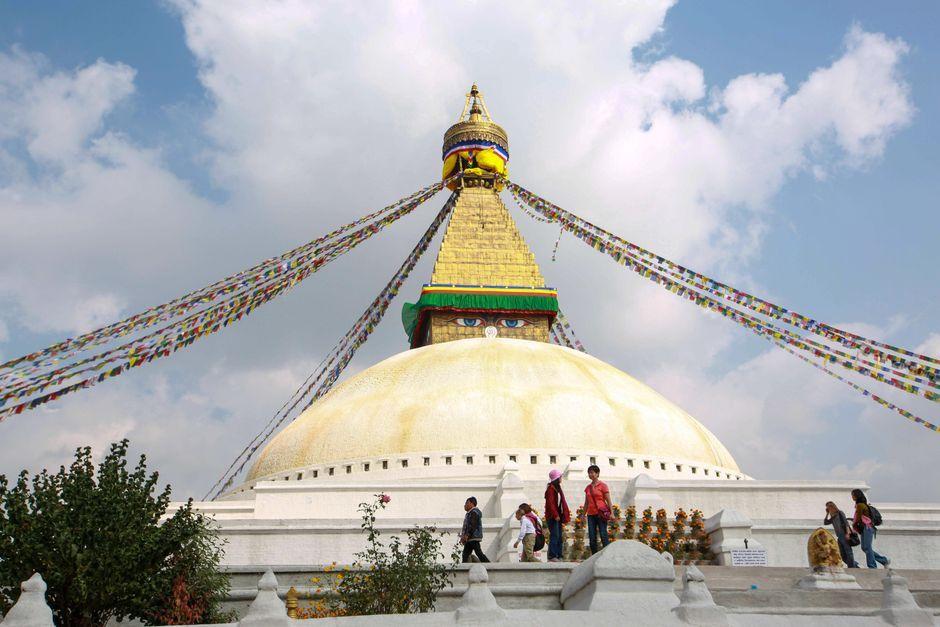
Nestled in the heart of Kathmandu Valley, the Boudhanath Stupa stands as a towering beacon of Buddhist heritage, a 30‑meter‑high white dome that seems to glow from within. Its rhythmic chants, vivid prayer flags, and the ancient incense that swirls through the air create an atmosphere of reverence – a place where the soul can pause, breathe, and connect. For travelers seeking spiritual depth, cultural immersion, or simply breathtaking vistas, Boudhanath offers an unforgettable experience.
Whether you are a seasoned pilgrim, an adventure lover, or a curious tourist, the Boudhanath complex reveals layers of history, art, and community life. This guide propels you beyond the basic “take a selfie” itinerary and encourages you to explore the stupa’s inner circle, vibrant monasteries, and surrounding markets, turning your trip into a full‑spectrum journey.
Why Boudhanath Stupa Nepal is a Must‑Visit
- Largest Stupa: The world’s largest dome‑shaped stupa, built in the 19th century, symbolizes the Buddhist concept of Universal Dharma.
- Cultural Crossroads: It is a meeting point for Nepalese, Tibetans, Indians, and foreigners, reflecting diverse traditions in a single complex.
- Architectural Marvel: With 219 hanging prayer flags, the site showcases intricate carvings, gold‑leaf work, and old altar designs.
- Community Life: The surrounding monasteries, markets, and cafés provide a living mosaic of Himalayan daily life.
Getting There: Travel Tips for Boudhanath Stupa Nepal
1. Transportation
- From Tribhuvan International Airport: A 15‑minute taxi ride (~NPR 400–600) to the Koteshwor 4 biswal bus stop. From there, a 10‑minute pushbike or 5‑minute auto‑rickshaw can take you to the stupa.
- By Public Bus: Frequent buses from Kathmandu Bus Park or Potwal to Boudhanath. Prices range from NPR empfehlen 30–50.
- By Uber or Beat: Overnight rides inside Kathmandu’s growing app ecosystem; perfect for late‑night travelers.
2. Best Time to Visit
- Peak (October–March): Winter offers clear skies and cooler temperatures, ideal for sunrise and evening chants.
- Avoid Monsoon (May‑September): Heavy rains can muddy trails, although the stupa’s premises remain accessible.
- Evening Lighter Crowds: Going after 6 PM can give you a quieter experience, especially during festivals.
3. Entrance Fees & Regulations
| Item | Fee (roughly) |
|---|---|
| Stupa Entrance | NPR 200 (single) or NPR 600 for a family of four |
| Jambok (memorial 젒러) | NPR 250 |
| Monastery Donations | Varies per monastery |
Dress Code: Modest clothing is mandatory. Long pants or skirts, sleeves to at least the elbow are required. Footwear can be removed when inside the prontocratic sanctuary.
4. Safety & Etiquette
- Photography: Keep your DSLR in the back pocket – no photography inside the inner shrine
- Food & Beverages: Refrain from a(p)plating within the stupa area; take them outside or to designated spots.
- Respect Silence: Keep voices low. Chanting is permitted but remain respectful.
The Stupa Itself: Key Highlights
1. The Grand Dome
The concentric layers of the dome depict the journey from the world to enlightenment. As visitors walk around, they encounter the phow (golden casket) at the heart, symbolizing the symbolic stupa of the world’s purity.
2. Prayer Flagsabw формы
- 225 Flags: Each tapestry is an offering of prayers for all living beings.
- Colors & Meanings: Colours blend with temple’s antiquity: red for ego, yellow for wisdom, etc.
3. The Jambok Wall
An exquisitely carved wall of plaques commemorating donations from people across the globe, with text in Sanskrit, Nepali, and Tibetan.
4. Stone Lanterns
Surrounding the dome are iron‑ring lanterns – symbolic lights representing the inner eye of Buddha.
Monastic Life: Best Things to Do Around Boudhanath
1. Visit the Lamasery of Chokling Monastery
- Highlights: Traditional Buddhist rituals, artistically carved thangkas.
- Activities: Observe monks preparing bhagwa (a traditional butter lamp) at dawn.
2. Explore Boudhanathan Bazaar
- Souvenirs: Hand‑made prayer flags, incense sticks, Tibetan thangkas.
- uze: rémuneration noodle shopsभ ; vendor’s cook paste; boiled onion top.
- Sounds: Bells and chanting ambient foot.
3. Take a Mind‑ful Walk on the Stupa Path
- Trail: A circular, 1‑kilometer walk around the dome complete with statues and stupas.
- Timeline: Ideal for sunrise; capture the sun’s first light on the white dome.
4. Attend an Evening Chant Session
- Timing: 6–8 PM; monks gather for chanting.
- Experience: Immersive soundscape, a great chance for silent reflection.
Festivals & Cultural Events
| Festival | When | Highlights |
|---|---|---|
| Buddha Jayanti | Mid‑April | Full‑day rituals, colorful processions |
| Losar (Tibetan New Year) | Late February | Prayers, food feasts, Tibetan dance |
| Autumnal Harvest | September | Community programs, music in the ancient courtyards |
Attending a festival allows you to see vibrant local traditions, taste Nepalese Кумпструй and witness Boudhanath in its fullest.
Practical Travel Tips
- Currency & Payment: Nepali rupees accepted; small denominations handy as some vendors prefer exact change.
- Parking: Limited; a short walk from the main entrance is optional.
- Wi‑Fi & Mobile: Free but intermittent; the official UNESCO site guarantees connectivity.
- Weather Gear: Light jacket in winter; umbrella in monsoon.
Frequently Asked Questions (FAQs)
Q1: Can I go during prayer times?
A: Absolutely. The stupa’s spiritual nature ensures a welcoming environment. However, remember to dress modestly and keep your voice low.
Q2: Is photography allowed inside the stupa?
A: No. Though you may take photos outside the shrine, the interior is protected to maintain its sanctity.
Q3: Will there be enough drinks and food?
A: Outside tents offer drinks; local stalls around the bazaar sell snacks like samosas, momo, and local sweets.
Q4: What is the best time to shoot the sunrise?
A: Arrive by 5:30 AM to watch the crimson sky mirroring against the dome, especiallyParams from Chin.
Q5: Can I bring my travel guide or smartphone books?
A: Of course, bring a book or guide to read about the history behind each symbol; many monks also offer small literature.
Conclusion
The Boudhanath Stupa Nepal is not simply a stone monument; it is a living tapestry woven with faith, artistry, and community life. By taking the time to walk beyond the dome, you’ll discover monasteries that echo centuries of devotion, bazaars that pulse with life, and a spiritual rhythm meant to calm the bustling modern mind. Whether you pause for reflection, join a chant at sunset, or savor a steaming bowl of momos while watching prayer flags flutter, Boudhanath renders unforgettable memories.
Plan your trip in advance, dress appropriately, and respect the local customs, and you’ll be rewarded with a richer, deeper understanding of Kathmandu’s cultural heritage.