Discover Bardia National Park Nepal, a hidden wild treasure with tigers, elephants, and Karnali River adventures. Experience untouched nature and thrilling t...
Bardia National Park Trekking & Adventure Guide
Introduction: Unraveling the Wild Heart of Nepal
Bardia National Park, Nepal's largest conservation area in the far-western Terai region, is a sanctuary for nature lovers seeking raw, unfiltered wilderness. Unlike Nepal's more crowded destinations, Bardia offers a serene escape into one of the country's last remaining untouched ecosystems. Home to elusive tigers, riverine elephants, and a kaleidoscope of bird species, this UNESCO Biosphere Reserve promises thrilling adventures and deep connections with nature. Whether you're a seasoned trekker or a wildlife enthusiast, this guide will help you plan an unforgettable journey into Bardia's wild heart.
Why Bardia National Park Stands Out
A Wildlife Paradise
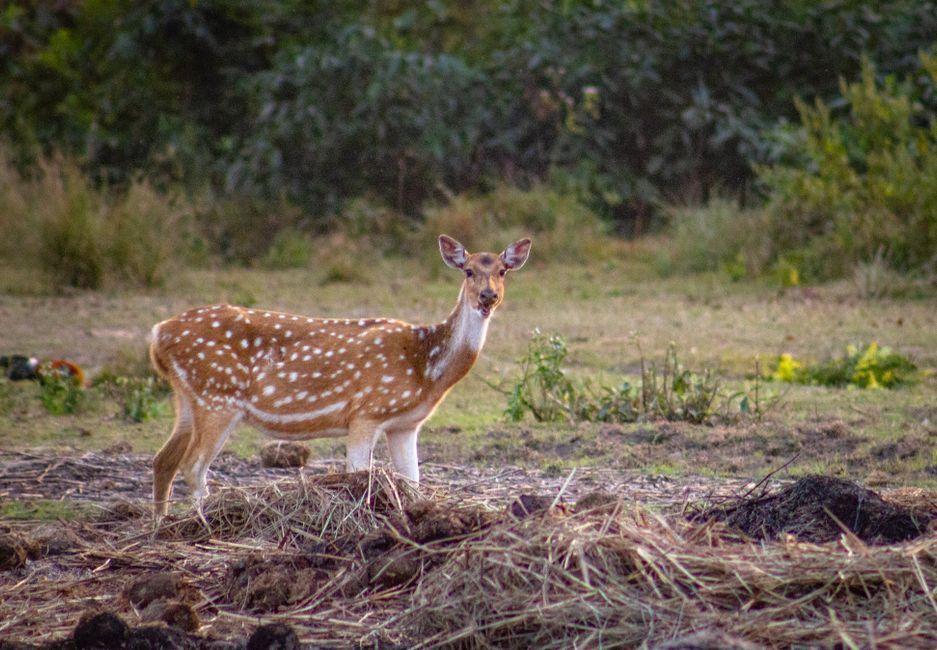
Bardia is famed for its incredible biodiversity. Unlike Chitwan or Bandipur, it’s less commercialized, allowing for quieter, more intimate wildlife encounters. The swamp-dwelling elephants, unique to this region, are a major draw, along with the chance to spot the endangered one-horned rhinoceros in smaller numbers.
Untouched Terrain
Spanning 1,410 square kilometers, Bardia’s landscape is a mix of dense Sal forests, expansive grasslands, and the meandering Karnali River. This diverse terrain supports a rich ecosystem, making it ideal for safaris, birdwatching, and cultural explorations of local Tharu communities.
Cultural Richness
The park is inhabited by indigenous Tharu people, offering opportunities to learn about their traditions, cuisine, and sustainable living practices. Staying in locally-run lodges not only supports conservation but also provides an immersive cultural experience.
Key Highlights of Bardia National Park
- Tiger and Elephant Safaris: Accessible via game drives or elephant-back rides.
- Karnali River Excursions: Kayaking or river rafting adventures.
- Birdwatching Hotspot: Over 400 species, including the endangered white-rumped vulture.
- Cultural Immersion: Tharu village visits and traditional dances.
Best Time to Visit Bardia
The optimal time to explore Bardia is from November to March, when the weather is dry and cool, enhancing wildlife visibility. The monsoon season (June–September) can make trails muddy but is great for birdwatching. Trekking enthusiasts should avoid the pre-monsoon (March–May) due to high temperatures and reduced wildlife activity.
Trekking and Adventure Activities
While Bardia isn’t a trekking hotspot like Annapurna, it offers shorter nature walks and guided treks to Tharu villages. For adventure seekers, river rafting on the Karnali or birdwatching expeditions provide thrilling alternatives. Jeep safaris and elephant rides are the primary ways to explore the park’s interiors.
Accommodation Options
Bardia has limited but eco-friendly lodges. Popular choices include:
- Swan Resort: Luxury stays with river views.
- Karnali Jungle Camp: Budget-friendly tented accommodations.
- Tharu Village Homestays: Culturally immersive experiences.
Book early during peak season, as capacity is limited.
Essential Travel Tips
- Permit Requirement: A permit is mandatory for entry. Apply through the Nepal National Tourist Board.
- Hire a Guide: Local guides enhance safety and wildlife-spotting chances.
- Pack Essentials: Binoculars, insect repellent, and moisture-resistant gear.
- Respect Wildlife: Maintain distance during safaris to avoid disrupting animals.
- Stay Hydrated: Carry water, as water sources might be scarce in dry months.
FAQs
Q: How do I get to Bardia National Park?
A: Fly into Nepalgunj (2-hour drive) or take a bus from Kathmandu (6–7 hours).
Q: Is trekking allowed in Bardia?
A: Yes, limited trekking to Tharu villages is permitted with a special permit.
Q: Can I see tigers in Bardia?
A: Yes, Bardia has one of the highest tiger densities in Nepal.
Q: Are elephant rides safe?
A: Yes, when conducted by licensed guides who follow ethical practices.
Q: What’s the cost of a guided safari?
A: Ranges from $50–$150 per day, depending on services.
Conclusion: Embrace the Wild
Bardia National Park is a testament to Nepal’s natural beauty, offering a rare blend of adventure, wildlife, and culture. Its remoteness ensures that every visit is unique, making it a must-experience for intrepid travelers seeking something beyond the typical tourist trail. With careful planning and respect for the environment, Bardia promises memories that last a lifetime.
Travel Tips Summary
- Go with a guide: Enhances safety and wildlife encounters.
- Visit during dry season: November–March for best visibility.
- Support local lodges: Contribute to conservation efforts.
- Respect regulations: Avoid off-trail trekking without permits.