Budget-friendly tips, routes, permits, gear, and culture for trekking Nepal's Annapurna Circuit.
Annapurna Circuit Budget Travel Guide
Introduction
The Annapurna Circuit is one of the world's most celebrated treks, offering a dramatic shift from subtropical jungles to arid high‑altitude plateaus, all while circling the majestic Annapurna massif. For budget‑conscious travelers, the circuit provides an unforgettable adventure without breaking the bank—if you plan wisely. This guide covers everything you need to know to trek the Annapurna Circuit on a shoestring, from permits and gear to food, accommodation, and safety tips.
Why Choose the Annapurna Circuit?
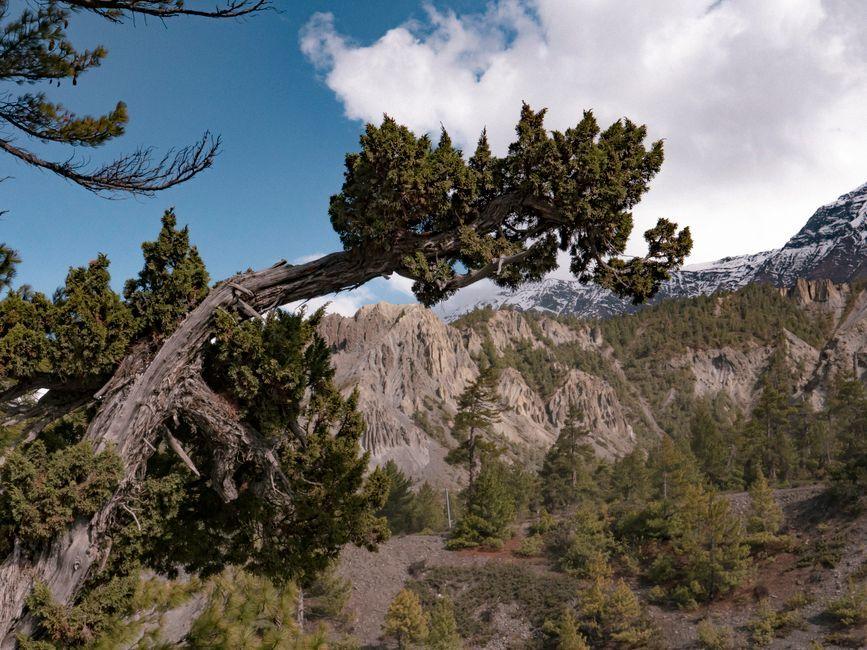
- Scenic diversity: Trek through terraced rice fields, rhododendron forests, alpine meadows, and the stark landscape of the Tibetan plateau.
- Cultural richness: Encounter Gurung, Thakali, and Tibetan communities, visit ancient monasteries, and experience local festivals.
- High altitude challenge: Conquer Thorong La Pass at 5,416 m (17,769 ft), one of the highest trekker‑used passes in the Himalayas.
- Affordability: Compared to other Himalayan treks, the Annapurna Circuit offers relatively low costs for guides, porters, tea houses, and meals.
Best Time to Trek
The optimal windows are pre‑monsoon (late March to early June) and post‑monsoon (late September to early November). During these periods:
- Weather is stable, with clear mornings and moderate temperatures.
- Trails are less muddy and the risk of landslides is lower.
- Tea houses are fully operational, offering a wider variety of food.
Avoid the monsoon (June‑August) due to heavy rain, leeches, and trail closures, and the deep winter (December‑February) when Thorong La can be snow‑blocked and facilities scarce.
Budget Breakdown (Approximate Costs in USD)
| Item | Low‑End Estimate | Mid‑Range Estimate |
|---|---|---|
| International flight (Kathmandu) | $600‑$900 | $900‑$1300 |
| Domestic flight/to/from Pokhara | $110‑$150 (roundtrip) | $150‑$200 |
| Trekking permits (ACAP + TIMS) | $30 | $30 |
| Guide (optional, per day) | $0 (self‑guided) | $25‑$35 |
| Porter (optional, per day) | $0 | $15‑$20 |
| Accommodation (tea house) | $5‑$7 per night | $8‑$12 per night |
| Meals (dal bhat, tea, snacks) | $10‑$15 per day | $15‑$25 per day |
| Miscellaneous (snacks, batteries, toiletries) | $5‑$10 per day | $10‑$15 per day |
| Total for 14‑day trek | ≈ $600‑$800 (excluding flights) | ≈ $900‑$1300 (excluding flights) |
Self‑guiding eliminates guide/porter fees but requires good navigation skills and a reliable map or GPS app.
Permits and Regulations
- Annapurna Conservation Area Permit (ACAP) – $30 USD (or equivalent in Nepali rupees). Required for all trekkers entering the conservation area.
- Trekkers’ Information Management System (TIMS) Card – $20 USD for solo trekkers, $10 USD if part of a registered trekking agency. (As of 2024, many agencies bundle TIMS with ACAP; verify current fees.)
- Permit acquisition: Obtain in Kathmandu at the Nepal Tourism Board office or via a trekking agency in Pokhara. Carry multiple copies; you’ll need to show them at checkpoints along the route.
Route Overview (Typical 14‑Day Itinerary)
| Day | Route | Elevation Gain/Loss | Highlights |
|---|---|---|---|
| 1 | Kathmandu → Pokhara (bus/flight) | – | Lakeside city, Phewa Lake |
| 2 | Pokhara → Besisahar (bus) → Bhulbhule | 600 m → 840 m | Start of trek, Marsyangdi River |
| 3 | Bhulbhule → Jagat | 840 m → 1,300 m | Terraced fields, waterfalls |
| 4 | Jagat → Dharapani | 1,300 m → 1,960 m | First stone‑built village |
| 5 | Dharapani → Chame | 1,960 m → 2,670 m | Pine forests, hot springs |
| 6 | Chame → Pisang | 2,670 m → 3,300 m | Views of Annapurna II |
| 7 | Pisang → Manang (via Upper Pisang) | 3,300 m → 3,540 m | Tibetan culture, monasteries |
| 8 | Acclimatization day in Manang | – | Side trip to Gangapurna Lake |
| 9 | Manang → Yak Kharka | 3,540 m → 4,050 m | Alpine scenery |
| 10 | Yak Kharka → Thorong Phedi | 4,050 m → 4,450 m | Base for Thorong La |
| 11 | Thorong Phedi → Thorong La Pass → Muktinath | 4,450 m → 5,416 m → 3,800 m | High pass, Muktinath temple |
| 12 | Muktinath → Jomsom | 3,800 m → 2,720 m | Desert‑like Kali Gandaki valley |
| 13 | Jomsom → Pokhara (flight/bus) | – | Fly over Kali Gandaki gorge |
| 14 | Pokhara → Kathmandu | – | Rest, celebrate |
Adjust days according to pace; add extra acclimatization days if needed.
Accommodation Options
- Tea Houses (Guesthouses): The most common and budget‑friendly option. Rooms typically cost $5‑$12 per night, often including a blanket. Meals are ordered separately.
- Camping: Possible but less common; you’ll need to carry a tent and sleeping bag. Saves on accommodation but adds weight and requires adherence to local camping rules.
- Homestays: In larger villages like Manang and Marpha, some families offer rooms for $8‑$15, providing a deeper cultural experience.
Food and Water
- Staple Meal: Dal bhat (lentil soup, rice, vegetable curry) is the backbone of tea‑house menus, usually $4‑$6 per plate. It’s nutritious, filling, and refillable.
- Other Options: Noodles, momos, fried rice, eggs, and occasional Western dishes (pizza, pancakes) at higher prices.
- Hydration: Boiled water is available at tea houses for a small fee ($0.10‑$0.20 per liter). Carry a reusable water bottle and use purification tablets or a filter as backup.
- Snacks: Buy chocolate bars, nuts, and biscuits in Pokhara or Kathmandu; they’re cheaper than on‑trail purchases.
Gear Checklist (Budget‑Friendly)
| Item | Recommended Spec | Approx. Cost (USD) |
|---|---|---|
| Backpack | 45‑55 L, rain cover | $40‑$70 |
| Sleeping bag | Rated to -10 °C (14 °F) | $30‑$60 (rental possible) |
| Trekking boots | Broken‑in, waterproof | $50‑$100 |
| Clothing layers | Base, fleece, down jacket, waterproof shell | $80‑$150 total |
| Headlamp | LED, extra batteries | $10‑$20 |
| Trekking poles | Adjustable, carbon/aluminum | $20‑$40 |
| Sun protection | Hat, UV sunglasses, SPF 50+ | $15‑$30 |
| First‑aid kit | Bandages, blister care, pain relievers | $10‑$15 |
| Water purification | Tablets or filter | $5‑$12 |
| Miscellaneous | Sunscreen, lip balm, toilet paper, zip‑lock bags | $10‑$20 |
Many items can be rented in Kathmandu or Pokhara, reducing upfront cost.
Health and Safety
- Altitude Sickness: Symptoms include headache, nausea, dizziness. Prevent by ascending gradually, staying hydrated, and taking acclimatization days. Consider carrying acetazolamide (Diamox) after consulting a doctor.
- Travel Insurance: Must cover high‑altitude trekking (up to 6,000 m) and emergency evacuation. Verify policy details before departure.
- Health Facilities: Basic health posts exist in larger villages; for serious issues, evacuation to Kathmandu is required.
- Weather: Prepare for sudden changes; layers are essential. Check forecasts daily.
- Trail Safety: Watch for landslides, especially after rain. Follow signs and local advice.
Cultural Etiquette
- Greeting: “Namaste” with palms together is customary.
- Dress: Modest clothing; shoulders and knees covered, especially in monasteries.
- Photography: Ask permission before photographing people or religious ceremonies.
- Religious Sites: Walk clockwise around stupas and prayer wheels; remove shoes before entering temples.
- Tipping: Not mandatory but appreciated; 10 % of meal cost or a small amount for guides/porters is common.
Alternative Routes and Side Trips
- Tilicho Lake: A high‑altitude lake at 4,919 m reachable from Manang via a side trail; adds 2‑3 days and offers stunning views.
- Annapurna Base Camp (ABC): From Pokhara you can divert to ABC after completing the circuit or as a separate trek; adds 4‑5 days.
- Upper Mustang: Accessible from Jomsom with a special permit; offers a stark, Tibetan‑like landscape and ancient caves.
- Dhaulagiri Circuit: For trekkers seeking more solitude, a longer route that circles Dhaulagiri massif; requires more time and advanced planning.
These options can be combined with the main circuit if you have extra days and budget for additional permits and guide fees.
Environmental Responsibility
- Leave No Trace: Pack out all non‑biodegradable waste, use designated toilets, and avoid littering.
- Firewood: Many tea houses rely on collected wood; consider using kerosene stoves if available to reduce deforestation.
- Water Sources: Refill from trusted taps or boiled water; avoid contaminating streams with soap or waste.
- Support Local: Purchase meals and snacks from locally owned tea houses; hire guides and porters from the region to distribute income.
Money Matters
- Currency: Nepali rupee (NPR). Exchange rates fluctuate; carry some cash for remote areas where cards are not accepted.
- ATMs: Available in Kathmandu, Pokhara, Besisahar, Chame, Manang, and Jomsom. Withdraw enough before heading into longer stretches.
- Credit Cards: Accepted in larger hotels and restaurants in cities; rarely accepted on the trail.
- Small Denominations: Keep small notes for tea house payments, tips, and snack purchases.
Communication and Connectivity
- Mobile Network: NTC and Ncell provide coverage up to about 3,500 m; above that signal becomes spotty. Consider purchasing a local SIM card in Kathmandu or Pokhara.
- Internet: Wi‑Fi is available in many tea houses for a fee ($0.50‑$2 per hour). Speed varies.
- Emergency Contact: Save the numbers of your embassy, insurance provider, and local rescue services (e.g., Himalayan Rescue Association).
FAQs
Q1: Do I need a guide for the Annapurna Circuit?
A: No. The trail is well‑marked and many trekkers go solo or with just a map/GPS. However, a guide adds safety, cultural insight, and logistical support, especially if you’re unfamiliar with high‑altitude trekking.
Q2: Can I trek the circuit in monsoon season?
A: It’s possible but not recommended. Trails become slippery, leeches are abundant, and some tea houses close. Visibility of mountains is often poor.
Q3: What is the highest point on the trek?
A: Thorong La Pass at 5,416 m (17,769 ft). Proper acclimatization is crucial.
Q4: Are ATMs available along the route?
A: Only in larger towns like Besisahar, Chame, Manang, and Jomsom. Carry enough cash (Nepali rupees) for remote sections.
Q5: How do I handle waste on the trail?
A: Follow “Leave No Trace”: pack out all non‑biodegradable waste, use designated toilets, and avoid littering. Many tea houses have garbage collection points.
Q6: Is it safe to drink tea house water?
A: Boiled water is safe. If you prefer untreated water, use purification tablets or a filter.
Q7: What is the typical daily walking distance?
A: Between 10‑18 km (6‑11 mi), depending on terrain and altitude. Expect 4‑7 hours of walking per day.
Q8: Can I charge electronic devices?
A: Most tea houses offer charging for a small fee ($0.20‑$0.50 per hour). Bring a power bank as backup.
Q9: What language is spoken?
A: Nepali is official; many locals speak Gurung, Thakali, or Tibetan dialects. Basic English is understood in tourist areas.
Q10: Should I purchase travel insurance in my home country or Nepal?
A: Buy from a reputable international provider that covers high‑altitude trekking and evacuation; verify coverage before departure.
Travel Tips (Budget Focus)
- Fly to Pokhara via budget airlines or take a tourist bus (≈ $8‑$12) to save on domestic flight costs.
- Rent gear in Kathmandu’s Thamel or Pokhara’s Lakeside area; rental shops offer decent quality at a fraction of purchase price.
- Eat dal bhat twice a day – it’s the most economical and energizing meal.
- Carry a refillable water bottle and refill with boiled water; avoid buying bottled water which inflates costs and creates plastic waste.
- Travel off‑peak (early March or late November) to find lower accommodation rates and fewer crowds.
- Use a shared porter if you decide to hire one; splitting the cost with another trekker reduces expenses.
- Download offline maps (e.g., Maps.me, Gaia GPS) and a GPS app to avoid hiring a guide solely for navigation.
- Learn a few Nepali phrases; locals appreciate the effort and may offer better service or tips.
- Pack a lightweight tarp or bivy sack as an emergency shelter; it’s cheaper than a full tent and useful for unexpected weather.
- Respect local customs – a polite demeanor often leads to invitations for tea or meals, reducing food expenses.
Conclusion
The Annapurna Circuit remains a bucket‑list trek that rewards perseverance with awe‑inspiring scenery, rich cultural encounters, and a profound sense of achievement. By planning carefully—securing permits, budgeting wisely, packing essential gear, and respecting local traditions—you can experience this Himalayan classic without draining your savings. Whether you choose to go solo, share a porter, or hire a guide for added confidence, the circuit’s tea‑house network and welcoming villages ensure that every step of the journey is supported. Lace up your boots, embrace the rhythm of the mountains, and let the Annapurna Circuit unveil its timeless beauty on a budget that works for you.