


Story · Trekking
Trekking in Nepal in Winter: A Guide to Cold Weather Adventures
By Beautiful Nepal6 min read
Discover the benefits of trekking in Nepal in winter, including clear views, fewer crowds, and practical advice for navigating cold-weather Himalayan trails.
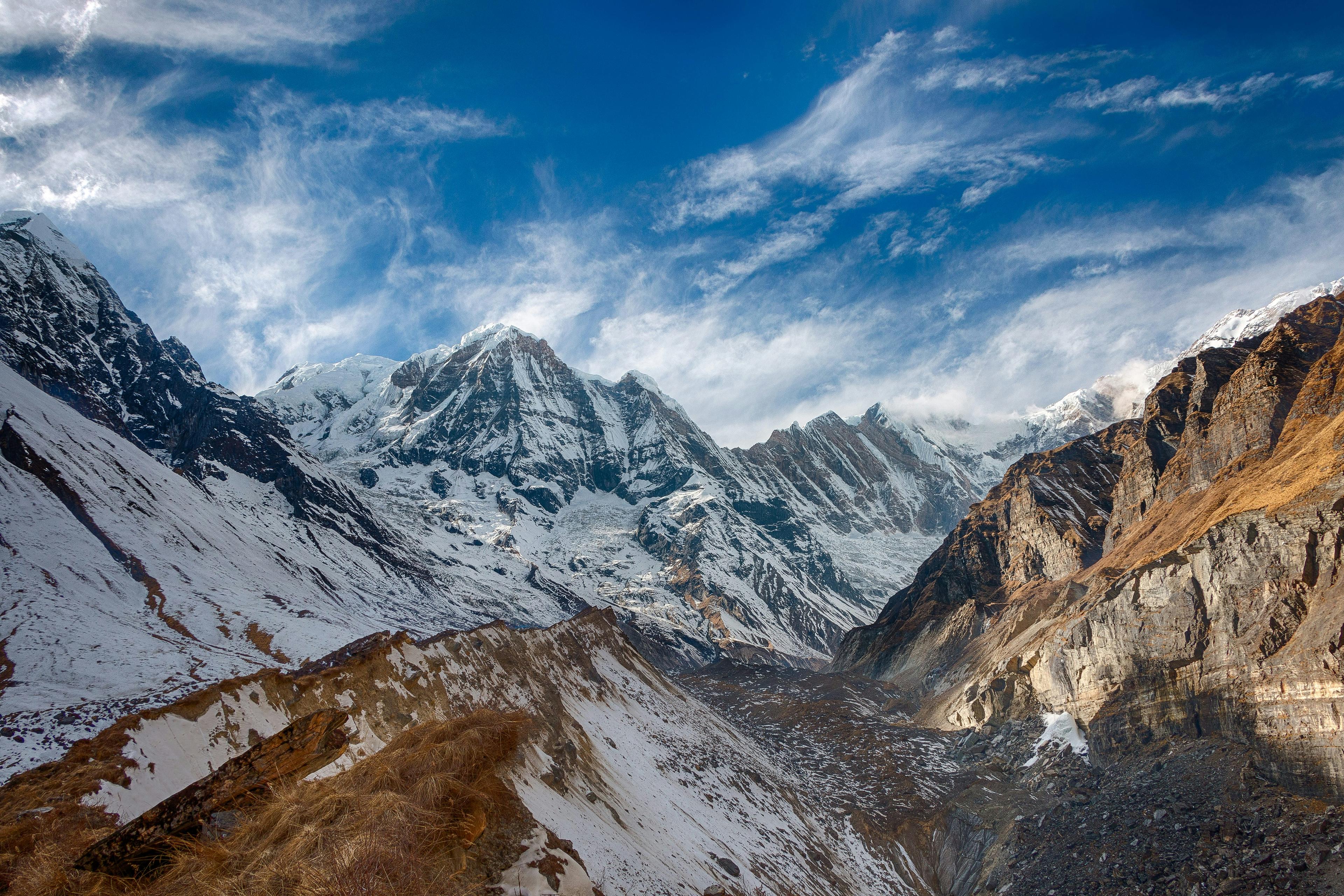
Trekking in Nepal in winter offers a serene, transformative experience for those willing to brave the chill. While the autumn months are famous for their bustling trails and high-altitude challenges, winter provides a unique window of opportunity characterized by crisp, clear skies, dramatic mountain vistas, and a profound sense of solitude. As the crowds dissipate, the Himalayan landscape reveals a quieter, more intimate side. While high-altitude passes become impassable due to deep snow and freezing winds, the lower-elevation routes provide accessible, rewarding, and culturally rich adventures for hikers of all levels.
Overview: Who should trek in winter?
Winter trekking in Nepal typically spans from December to February. It is an ideal choice for experienced hikers who prefer the silence of the mountains over the social atmosphere of peak season and who are comfortable managing freezing nighttime temperatures. While iconic high-altitude treks like Everest Base Camp or the Annapurna Circuit become extremely cold and technically risky due to snow accumulation, routes below 3,000 meters remain highly accessible and pleasant. The primary challenge during a winter trek is not the terrain or altitude, but the management of body heat and cold exposure. Hikers should possess a degree of self-reliance, as resources at higher trailheads may be more limited than during the spring or autumn.
Best season
While autumn is the primary trekking season, winter is considered the best time for those looking to avoid the tourist crush. December often retains remarkably clear, blue skies, providing some of the most stable weather of the year. January and February are the coldest months, often bringing occasional snowfall to mid-altitudes. While this requires more careful planning, the trade-off is the clearest mountain views of the entire year. The atmosphere is crisp, the dust settles, and the visibility across the Himalayan range is unparalleled, making it a photographer’s paradise.
Permits and rules
Regulations for trekking in Nepal are subject to change, so always verify requirements with the Department of Immigration or a registered agency before departing. Currently, most popular regions require the TIMS (Trekkers' Information Management System) card and specific National Park or Conservation Area permits. These permits help authorities monitor trail usage and provide a safety net for trekkers. Always carry your passport and multiple passport-sized photographs, as these are required for permit processing in Kathmandu or Pokhara. Ensure your documents are kept in a waterproof bag, as moisture can be an issue if you encounter unexpected winter precipitation.

Recommended low-altitude routes
Focusing on lower elevations is the golden rule for winter trekking in Nepal. These regions ensure warmer nights, lower risk of snow-induced trail closures, and a higher density of open teahouses.
- Ghorepani-Poon Hill Trek (3,210m): This remains the premier winter choice. It offers the classic sunrise views over the Dhaulagiri and Annapurna ranges without requiring sustained time at extreme altitudes.
- Langtang Valley: A viable option if you stay within the lower villages. The valley is known for its stunning glacial landscape and rich Tamang culture.
- Mardi Himal Trek: This route provides stunning views of the "Fishtail" peak (Machhapuchhre) and the Annapurna range. By staying at the lower camps or returning to villages like Siding, you can enjoy the altitude without the risks of the high ridges.
- Kathmandu Valley Rim: For those with limited time, the trails surrounding the Kathmandu Valley offer excellent winter hiking, cultural immersion, and views of the Langtang range with the convenience of returning to the city each night.
Sample 5-day Ghorepani Poon Hill itinerary:
| Day | Destination | Altitude |
|---|---|---|
| 1 | Nayapul to Tikhedhunga | 1,540m |
| 2 | Tikhedhunga to Ghorepani | 2,860m |
| 3 | Ghorepani to Tadapani | 2,630m |
| 4 | Tadapani to Ghandruk | 1,940m |
| 5 | Ghandruk to Pokhara | 820m |
Accommodation and food on the trail
Most teahouses—small, family-run lodges—remain open in lower regions during winter. However, you will sleep in unheated rooms, making a high-quality, cold-rated sleeping bag an absolute necessity. Many teahouses will have a central dining area heated by a wood or yak-dung stove, which serves as the social heart of the lodge. The staple food remains dal bhat (lentil soup, rice, and vegetable curry), which is nutritionally dense and provides the sustained energy required to keep your internal furnace burning. Hot drinks like chiya (milky spiced tea), ginger-lemon-honey tea, and hot chocolate are essential for staying hydrated and warm.
Altitude, safety and insurance
Even at lower altitudes, cold-related illnesses like hypothermia are a risk. Ensure your travel insurance covers high-altitude rescue and emergency medical evacuation, even if you do not plan to go above 4,000 meters. Conditions can change rapidly in the mountains; a sunny morning can turn into a snowy afternoon. Always monitor your physical condition, stay hydrated, and be aware of the signs of altitude sickness, even on shorter treks. If you feel dizzy, nauseous, or experience a persistent headache, descend immediately. Never trek alone in winter; having a partner or a guide provides a critical safety buffer.
Gear and packing
Packing for winter requires a strict layering system to manage temperature fluctuations while hiking.
- Base Layer: Moisture-wicking thermal tops and bottoms are non-negotiable. Avoid cotton, which traps sweat and makes you cold.
- Mid-Layer: A fleece or a lightweight down jacket provides essential insulation.
- Outer Shell: A windproof and waterproof jacket is critical to protect against the biting Himalayan winds.
- Sleeping Gear: Bring a sleeping bag rated to at least -15°C. A sleeping bag liner can add extra warmth.
- Accessories: Do not forget thermal socks, a warm beanie that covers your ears, waterproof gloves, and high-quality sunglasses to prevent snow blindness on bright, sunny days.
- Footwear: Sturdy, waterproof trekking boots with good traction are essential for icy patches on the trail.

Costs and booking
Winter is often considered off-peak, meaning some agencies may offer more competitive rates for guides and porters. While many routes can be trekked independently, hiring a local, licensed guide is strongly recommended in winter. A guide understands the nuances of trail conditions, knows which teahouses are reliably open, and can provide local insight into the culture and geography. Always negotiate the total cost of your guide, porter, and expected daily expenses before starting your journey to avoid misunderstandings.
Frequently asked questions
Is it too cold to trek in Nepal in winter?
It is not too cold if you choose lower-altitude routes and have the proper gear. Daytime temperatures are often sunny and pleasant, frequently reaching 10°C to 15°C. Nights, however, drop below freezing, so your gear must be suited for these conditions.
Can I see Everest in winter?
Yes, you can see Everest from viewpoints like Nagarkot, Daman, or during mountain flights. However, reaching Everest Base Camp is extremely difficult in winter due to heavy snow, high winds, and the closure of high-altitude teahouses. Stick to lower viewpoints for the best winter experience.
Are teahouses open in winter?
Most teahouses on popular low-altitude trails remain open, though some at higher elevations may close for the season. Always check with your guide or local operators about the availability of accommodation on your specific route before you set off.
Do I need a guide in winter?
While not legally required for all routes, hiring a guide is highly recommended in winter. They navigate trail conditions, identify safe paths through snow, and assist if emergencies arise, providing a much higher level of safety than trekking alone.
What is the most important piece of gear?
A high-quality sleeping bag rated for sub-zero temperatures is the most critical item. Since teahouses do not have heating in bedrooms, your sleeping bag is your only defense against the cold at night.
Before you go, consider exploring the cultural heritage of the Kathmandu Valley or tasting traditional Newari cuisine. You might also want to check the timing for local festivals like Lhosar, the Tibetan New Year, which often falls in winter and provides a vibrant, colorful contrast to the quiet trails.
Keep exploring
More from the journal

Story · Travel Tips
A Traveler’s Guide to Tipping in Nepal: Etiquette for Guides, Porters, and Beyond
Navigate the nuances of tipping in Nepal with our practical guide, covering expectations for trekking, dining, and transport during your autumn travels.
Beautiful Nepal

Story · Wildlife & Nature
Birdwatching in Nepal: A Guide to Koshi Tappu and Beyond
Discover the best locations, timing, and ethical practices for birdwatching in Nepal, from the wetlands of Koshi Tappu to the high-altitude Himalayan trails.
Beautiful Nepal
Story · Adventure
Choosing a Safe Adventure Operator in Nepal: A Guide for Thrill Seekers
Planning your next trip? Learn how to vet an adventure operator in Nepal to ensure your safety, equipment standards, and overall experience are top-tier.
Beautiful Nepal
Plan with a local expert
Begin your journey to Nepal
Tell us how you like to travel. We'll connect you with a licensed local specialist who can shape a private itinerary around you — at no cost to plan.