Top Things to Know Before Traveling to Nepal: Safety, Weather, and Travel Tips
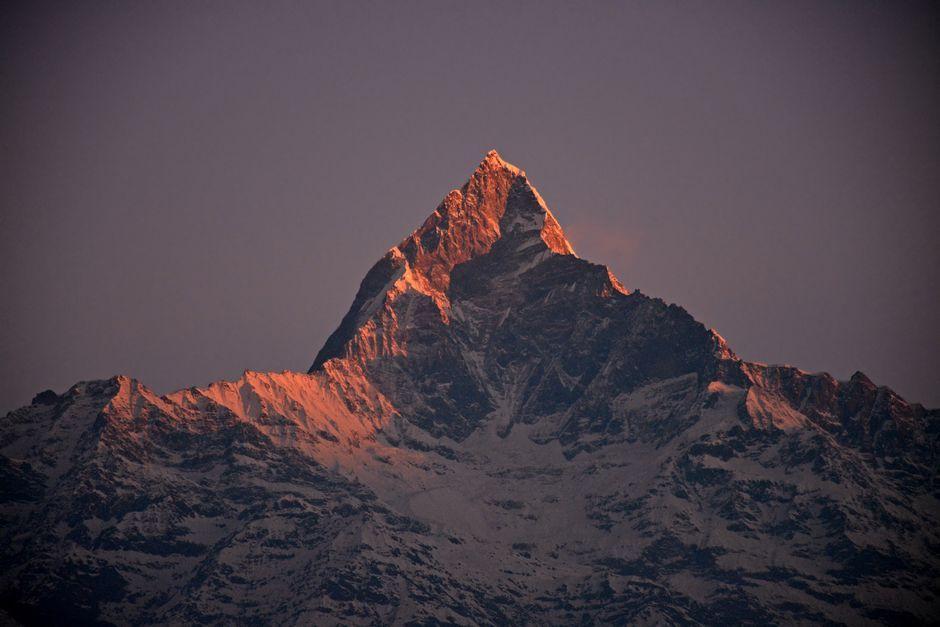
Nepal is more than just a destination; it is a profound experience that challenges the senses and shifts perspectives. From the thunderous peaks of the Himalayas to the chaotic, incense-filled alleys of Kathmandu, Nepal is a land of stark contrasts and unparalleled beauty.
Why Visit Nepal?
Travelers flock to Nepal for the world's best trekking, but they return for its soul. It is one of the few places left on earth where ancient traditions remain deeply woven into the fabric of daily life. Whether you are seeking high-altitude adventure, spiritual awakening, or a deep dive into unique cultural heritage, Nepal delivers.
History and Cultural Significance
Nepal’s history is a complex tapestry of Hindu and Buddhist influences. As the birthplace of Lord Buddha, Lumbini stands as a testament to the country's spiritual roots. The Kathmandu Valley, with its UNESCO World Heritage sites, showcases centuries of intricate Newari craftsmanship, architecture, and religious devotion.
Top Attractions
- Kathmandu Durbar Square: A complex of palaces, courtyards, and temples.
- Swayambhunath (Monkey Temple): Offers panoramic views of the city.
- Pashupatinath Temple: The most sacred Hindu shrine in Nepal.
- Pokhara: The gateway to the Annapurna region and a lakeside sanctuary.
- Chitwan National Park: Home to one-horned rhinos and Bengal tigers.
Best Time to Visit and Weather
Understanding Nepal's climate is critical for a successful trip. The country experiences four distinct seasons, but the two main trekking seasons are the most popular.
| Season | Months | Conditions |
|---|---|---|
| Peak (Spring) | March–May | Rhododendrons bloom, mild temperatures, best for trekking. |
| Peak (Autumn) | Sept–Nov | Clear skies, crisp air, best mountain views. |
| Off-Peak (Winter) | Dec–Feb | Cold, clear, but high passes are closed. |
| Monsoon | June–Aug | Heavy rain, leeches, clouds, low visibility. |
Transportation: Getting Around
Traveling in Nepal requires patience. Roads are often winding, mountainous, and prone to traffic or landslides.
- Domestic Flights: The fastest way to reach remote areas like Lukla or Jomsom, though they are subject to weather delays.
- Tourist Buses: The most common way to travel between cities like Kathmandu and Pokhara. They are more comfortable than local buses.
- Private Jeeps: Recommended for off-the-beaten-path destinations where public transport is unreliable.
Accommodation Recommendations
- Luxury: Boutique heritage hotels in Kathmandu and upscale lodges in the Everest region.
- Mid-range: Comfortable teahouses and guesthouses with private bathrooms.
- Budget: Basic teahouses on trekking routes. Expect simple meals and dormitory or shared-room setups.
Food to Try
- Dal Bhat: The national staple. Lentil soup, rice, and vegetable curry. It is "all-you-can-eat" and the fuel of mountain trekkers.
- Momos: Steamed or fried dumplings filled with buffalo, chicken, or vegetables.
- Sel Roti: A sweet, ring-shaped rice bread, often eaten during festivals.
Local Customs and Etiquette
Nepal is a conservative, religious country. Respect is paramount.
- Dress Modestly: Cover shoulders and knees, especially when visiting temples.
- The Right Hand: Use your right hand for eating and giving/receiving items, as the left is traditionally considered unclean.
- Public Affection: Avoid overt displays of affection, as it is considered inappropriate in local culture.
Costs and Budget Estimates
Nepal remains an affordable destination, but costs vary based on your style of travel.
- Budget: $30–$45 USD per day (local transport, teahouses, Dal Bhat).
- Mid-range: $60–$100 USD per day (private transport, boutique hotels, guided tours).
- Luxury/High-end Trekking: $200+ USD per day.
Safety Tips for Travelers
- Altitude Sickness: Never ignore symptoms. Ascend slowly and hydrate.
- Travel Insurance: Ensure your policy covers emergency helicopter evacuation up to 6,000 meters.
- Water: Never drink tap water. Use a filtered bottle or purification tablets.
- Trekking Safety: Always hire a licensed guide for remote treks. Never trek alone.
Packing Tips
- Layering is Key: Even in summer, mountain evenings are cold.
- Sturdy Boots: Break them in before you arrive.
- Power Bank: Electricity is unreliable in remote teahouses.
- First Aid Kit: Include blister care, rehydration salts, and basic antibiotics.
Sample Itinerary: 10 Days in Nepal
- Days 1-2: Arrival in Kathmandu, explore Durbar Squares and Swayambhunath.
- Days 3-5: Fly to Pokhara, enjoy lakeside relaxation, and hike to Sarangkot.
- Days 6-8: Wildlife safari in Chitwan National Park.
- Days 9-10: Return to Kathmandu for shopping and final cultural experiences.
Frequently Asked Questions
1. Do I need a visa? Yes, most nationalities can get a Visa on Arrival at Tribhuvan International Airport.
2. Is English widely spoken? Yes, in tourist hubs, hotels, and among younger generations.
3. Can I use credit cards? They are accepted in major hotels and upscale shops, but cash is king in rural areas.
4. Is it safe for solo female travelers? Generally yes, but avoid walking alone at night in unlit areas.
5. What currency should I bring? Bring USD or EUR to exchange for Nepali Rupees.
6. Do I need vaccinations? Consult your travel clinic, but Hepatitis A and Typhoid are commonly recommended.
Final Travel Tips
Nepal rewards those who slow down. Don't rush your itinerary. Embrace the "Nepali time" mentality, respect the environment, and always carry extra cash. Most importantly, leave no trace on the trails to ensure these magnificent landscapes remain for generations to come.