
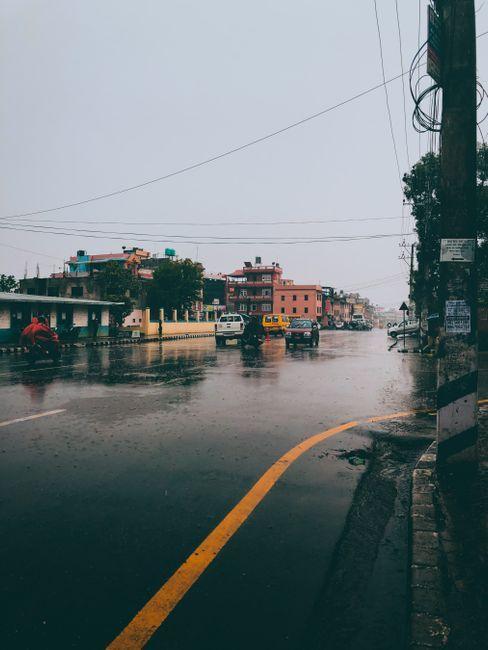
Essential Monsoon Travel Tips for Navigating Nepal’s Highways
Traveling through Nepal during the monsoon season (mid-June to September) is a test of patience and a masterclass in resilience. While the heavy rains turn the landscape into a lush, emerald paradise, they also transform the country's main arterial highways into challenging obstacle courses. If you are planning a trip during this time, understanding how to navigate the road network is not just a preference; it is a necessity for your safety.
Why Visit Nepal During the Monsoon?
While the monsoon is traditionally considered the "off-season," it offers a unique perspective of Nepal that most tourists never see. The dust of the dry season is washed away, leaving the air crisp and the hillsides vibrant. You will encounter fewer crowds at major sites, and the waterfalls—typically dry for half the year—become thunderous, spectacular displays of nature’s power.
The Reality of Nepal’s Highways
Nepal’s highway system, particularly the Prithvi Highway connecting Kathmandu to Pokhara, is prone to landslides and road blockages during the heavy rains. Soil erosion on steep slopes often leads to debris spilling onto the asphalt. Expect significant delays and occasional shifts in travel plans.
Critical Transport Tips
* Prioritize Air Travel: Whenever possible, choose domestic flights over long-distance bus journeys between Kathmandu and Pokhara or Chitwan.
* Check Road Conditions: Use local news sources like *The Kathmandu Post* or follow traffic police updates on social media platforms like X (formerly Twitter) before departing.
* Hire Experienced Drivers: If you are booking a private vehicle, ensure the agency specifically employs drivers with extensive monsoon driving experience.
Weather and Safety Information
Monsoon weather in Nepal is characterized by high humidity and heavy, localized downpours. It is rarely a continuous rain, but rather intense bursts that can trigger sudden mudslides.
| Region | Rainfall Intensity | Road Risk Level |
| :--- | :--- | :--- |
| Terai (Lowlands) | High | Moderate (Flooding) |
| Mid-Hills (Highways) | Very High | Critical (Landslides) |
| Himalayas | Moderate | Low (Rain Shadow) |
Cultural Significance and Customs
Nepal’s culture is deeply tied to the agricultural cycle, and the monsoon is the season of *Asar*—the time for rice planting. You will see farmers knee-deep in mud, singing traditional songs as they transplant seedlings. It is a beautiful display of community and tradition. Always ask for permission before photographing farmers working in the fields.
Top Attractions and Things to Do
Packing Essentials
* Waterproof Everything: Invest in high-quality dry bags for your electronics and travel documents.
* Sturdy Footwear: You need boots with excellent grip, as mud and slippery stone steps are ubiquitous.
* Leech Protection: If you are trekking in lower altitudes, carry salt or specialized leech socks.
Sample 7-Day Monsoon Itinerary
* Day 1-2: Explore Kathmandu’s heritage sites; visit Pashupatinath and Boudhanath.
* Day 3: Fly to Pokhara to avoid the highway traffic.
* Day 4-5: Relax at Begnas Lake, which is stunningly green during the rains.
* Day 6: Short hike to the World Peace Pagoda for panoramic views between rain showers.
* Day 7: Fly back to Kathmandu for your departure.
Frequently Asked Questions
Final Travel Tips
Flexibility is the most important item in your suitcase. If you approach Nepal in the monsoon with a relaxed attitude, you will find it to be a magical, transformative experience. Trust the local wisdom, stay connected, and keep your plans fluid.