
Essential Guide to Nepal’s New Aviation Laws and Traveler Rights
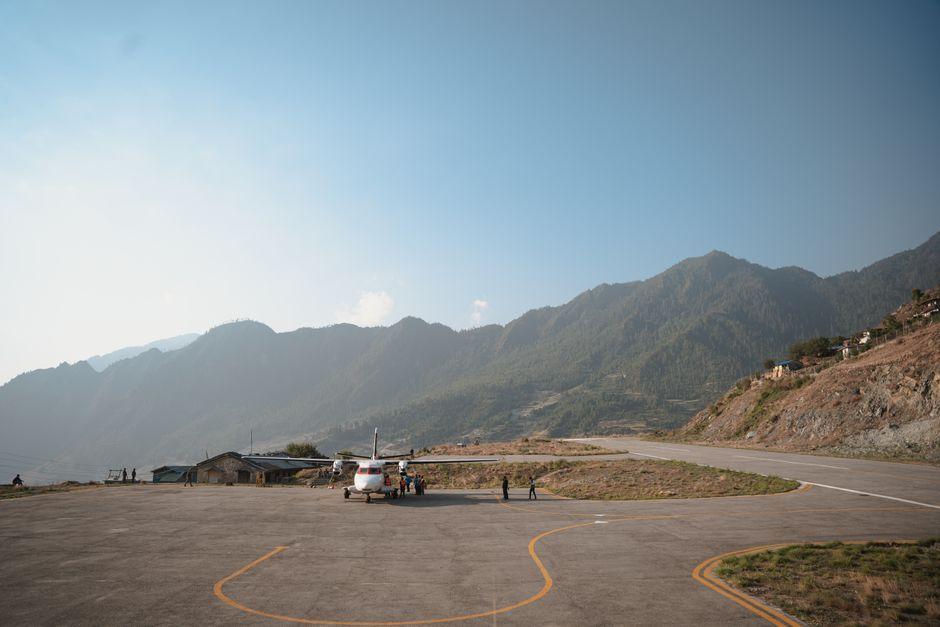
Nepal is a land of awe-inspiring peaks and profound cultural depth. However, for years, the nation’s domestic aviation sector has been a point of concern for international travelers. Recent legislative shifts, driven by pressure from the European Union and the Civil Aviation Authority of Nepal (CAAN), are finally reshaping the landscape.
Why Visit Nepal?
Beyond the headlines, Nepal remains one of the most rewarding destinations on Earth. From the spiritual resonance of Lumbini to the adrenaline-fueled trekking routes of the Annapurna Circuit, it offers a rare blend of adventure and introspection.
History and Cultural Significance
Nepal is the birthplace of Siddhartha Gautama, the Buddha, and home to the world’s highest peak, Mount Everest. Its history is defined by the resilience of its mountain communities and the preservation of ancient Hindu and Buddhist traditions that remain vibrant in the streets of Kathmandu and Bhaktapur today.
Understanding the New Aviation Landscape
In an effort to improve safety standards, the Nepalese government has moved toward splitting the CAAN into two distinct entities: one for regulation and one for service provision. This is a critical step in addressing safety oversight concerns.
Traveler Rights and Safety Measures
When booking internal flights, travelers should now prioritize airlines that utilize newer aircraft fleets. While the new laws are in progress, passengers are advised to:
- Check the safety record of the airline via the Aviation Safety Network.
- Opt for morning flights when weather conditions in the Himalayas are typically more stable.
- Understand that flight cancellations due to "visibility issues" are a standard safety precaution, not a failure of service.
Top Attractions and Things to Do
- Kathmandu Valley: Explore the UNESCO World Heritage sites of Durbar Square.
- Pokhara: The gateway to the Annapurna region and a hub for paragliding.
- Chitwan National Park: Experience jungle safaris to spot the rare one-horned rhinoceros.
- Everest Base Camp: The ultimate pilgrimage for trekkers.
Best Time to Visit and Weather
The peak trekking seasons are autumn (September to November) and spring (March to May). During these months, the skies are clear, and the views of the Himalayas are unparalleled.
Practical Logistics
Transportation
While domestic flights are the fastest way to travel, the tourist bus network is reliable for shorter distances, such as Kathmandu to Pokhara. Always ensure your travel insurance covers high-altitude trekking and emergency helicopter evacuation.
Accommodation and Costs
| Budget Level | Daily Estimate (USD) |
|---|---|
| Budget | $30 - $50 |
| Mid-Range | $70 - $120 |
| Luxury | $200+ |
Local Customs
Always use your right hand for giving or receiving items. When visiting temples, dress modestly, covering your shoulders and knees.
Safety and Packing
- Safety: Always trek with a certified guide. Solo trekking is increasingly restricted in certain national parks.
- Packing: Layering is key. Even in summer, mountain passes can be freezing.
Frequently Asked Questions
- Are flights in Nepal safe? Safety is improving, but always choose established airlines with modern fleets.
- Do I need a permit for trekking? Yes, the TIMS card and National Park permits are mandatory.
- Is it safe to drink tap water? No, always use a filter or purification tablets.
- What is the best currency to carry? US Dollars are widely accepted, but carry Nepalese Rupees for local markets.
- Can I use a credit card? Only in major hotels and upscale restaurants in cities.
- What if my flight is canceled? Rebooking is usually handled at the airport; keep your contact information updated with your airline.
Final Travel Tips
Be patient with the pace of life in Nepal. Infrastructure challenges are part of the journey. Embrace the "Nepali Time" mentality, and you will find that the most beautiful moments often occur during unexpected delays.