
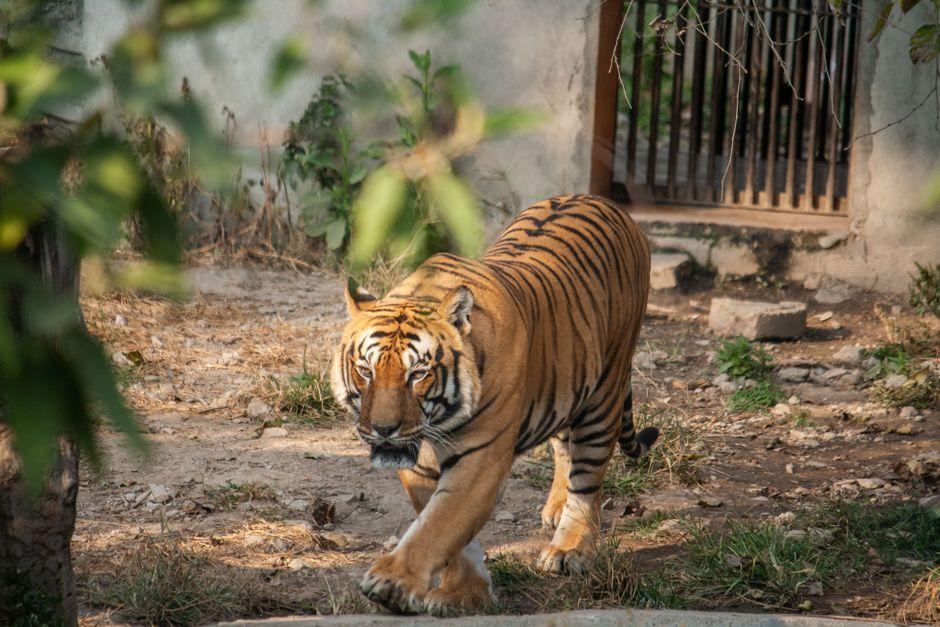
Discovering Nepal’s Tiger Conservation Success: Where to See Tigers in the Wild
Nepal has achieved what many conservationists once thought impossible: the country has nearly tripled its wild tiger population since 2009. For travelers, this isn't just a win for biodiversity; it is an invitation to witness one of nature's most elusive predators in its natural habitat. Unlike the high-density parks of India, Nepal’s tiger sanctuaries offer an intimate, raw, and deeply rewarding wildlife experience.
Why Visit Nepal for Tiger Safaris
While India often dominates the conversation regarding tiger tourism, Nepal offers a distinct advantage: exclusivity and a focus on low-impact, high-quality wildlife viewing. The Terai Arc Landscape, a vast stretch of protected forest along the southern border, is a global model for community-based conservation. When you visit, you are directly supporting the local Tharu communities who serve as the guardians of these forests.
The History of Conservation
In 2010, the "Tx2" goal was set to double the world's wild tiger population. Nepal became the first country to achieve this feat. By strictly protecting corridors and involving local communities in anti-poaching efforts, Nepal transformed its parks from potential extinction sites into thriving, healthy ecosystems.
Where to See Tigers: Top Attractions
Chitwan National Park
As Nepal’s first national park and a UNESCO World Heritage site, Chitwan is the gold standard for tiger tracking. The dense Sal forests and tall elephant grass provide a dramatic backdrop for safaris.
Bardia National Park
For those seeking a wilder, less crowded experience, Bardia is the premier destination. It is home to the largest unbroken tiger habitat in Nepal and offers a much higher "quiet factor" than Chitwan.
Best Time to Visit
| Season | Months | Conditions |
|---|---|---|
| Peak | Feb–April | Dry, warm, best visibility |
| Shoulder | Oct–Nov | Lush, post-monsoon, cool |
| Low | June–Sept | Monsoon, park closures possible |
Practical Travel Advice
Transportation
Most travelers fly from Kathmandu to Bharatpur (for Chitwan) or Nepalgunj (for Bardia). While road travel is possible, the mountainous terrain makes domestic flights the most efficient use of your time.
Accommodation Recommendations
- Luxury: Meghauli Serai (Chitwan) offers unparalleled views of the Rapti River.
- Mid-range: Tiger Tops Tharu Lodge provides an authentic, sustainable experience.
- Budget: Numerous homestays in Sauraha allow for direct cultural immersion.
Food to Try
- Dal Bhat: The staple of every Nepali trekker and guide.
- Ghonghi: A local Tharu delicacy consisting of water snails, typically served in the Terai region.
Safety and Etiquette
- Always follow the instructions of your nature guide.
- Never leave your vehicle or walking group during a safari.
- Respect local customs: dress modestly in villages surrounding the parks.
3-Day Sample Itinerary (Chitwan)
- Day 1: Arrival and sunset river cruise to spot gharial crocodiles.
- Day 2: Full-day jeep safari into the deep jungle core.
- Day 3: Morning walking safari with a certified naturalist, followed by a Tharu cultural performance.
Frequently Asked Questions
1. Is it guaranteed that I will see a tiger?
No. Tigers are solitary and elusive. Seeing one is a privilege, not a guarantee.
2. What should I pack?
Neutral-colored clothing (khaki, olive), a high-quality pair of binoculars, and a telephoto lens for your camera.
3. Is it safe to walk in the jungle?
Only with a licensed, experienced guide. Never enter the forest alone.
4. What is the difference between Chitwan and Bardia?
Chitwan is more accessible and developed; Bardia is remote, wild, and offers a more rugged experience.
5. Do I need a permit?
Yes, park entry permits are mandatory and can be purchased at the park gate or through your lodge.
6. What is the best way to track tigers?
Jeep safaris are best for covering ground, while walking safaris allow you to hear the subtle signs of the forest.