Best Time to Visit Nepal: A Seasonal Guide for Travelers
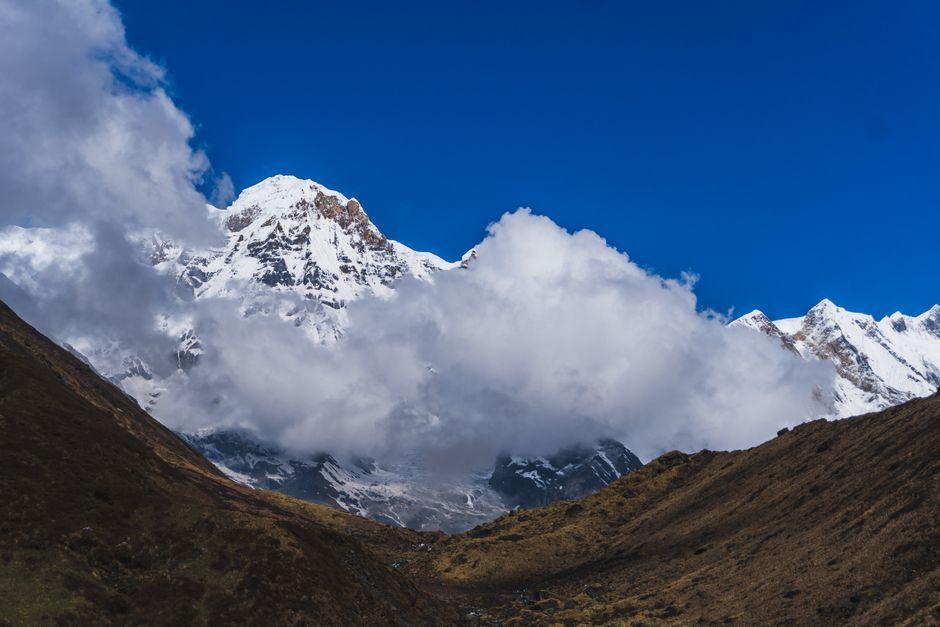
Nepal is more than just a destination; it is a profound shift in perspective. From the razor-sharp summits of the Himalayas to the humid, wildlife-rich jungles of the Terai, this landlocked nation offers a diversity that few other places on earth can match. Whether you are a seasoned mountaineer or a cultural explorer, timing your trip is the single most important factor in ensuring a successful visit.
Why Visit Nepal?
Nepal occupies a unique place in the global imagination. It is home to eight of the world’s ten tallest mountains, including Mount Everest. Yet, beyond the high altitude, you will find a living history. Ancient cities like Bhaktapur and Patan feel like open-air museums, where medieval architecture meets the vibrant, daily rhythm of Newari life. It is a country where spirituality is not just practiced in temples but woven into the fabric of everyday existence.
History and Cultural Significance
Nepal’s history is a complex tapestry of Hindu and Buddhist traditions. As the birthplace of Siddhartha Gautama (the Buddha) in Lumbini, it holds immense significance for millions of pilgrims. Over centuries, the Kathmandu Valley flourished as a crossroads of the trans-Himalayan trade, leading to a unique architectural style characterized by intricate wood carvings and pagoda-roofed temples that you won't find anywhere else in Asia.
Top Attractions
- Kathmandu Valley: A UNESCO World Heritage site comprising three ancient kingdoms.
- Everest Region (Khumbu): The ultimate pilgrimage for trekkers and mountain enthusiasts.
- Annapurna Circuit: Known for its staggering diversity of landscapes and ethnic villages.
- Chitwan National Park: A sanctuary for one-horned rhinoceroses and Bengal tigers.
- Pokhara: A serene lakeside city that serves as the gateway to the Annapurna range.
Best Time to Visit: A Seasonal Breakdown
Choosing the right season depends entirely on your objective—whether it is clear mountain views, vibrant festivals, or avoiding the crowds.
| Season | Months | Best For | Weather |
|---|---|---|---|
| Autumn | Sept–Nov | Trekking, Peak Climbing | Crisp air, clear skies |
| Winter | Dec–Feb | Cultural tours, Low altitude | Cold nights, sunny days |
| Spring | Mar–May | Rhododendrons, Expedition | Warming, hazy afternoons |
| Monsoon | June–Aug | Botanical study, Rain shadow | Wet, lush, leech-heavy |
Autumn: The Golden Season
From late September to November, the post-monsoon air is washed clean of dust, offering the most stable weather and the iconic "Himalayan crystal" views. This is peak season for trekking.
Spring: The Time of Blooms
March to May is the second-best window. The lower trails are ablaze with blooming rhododendrons, and the weather is pleasant, though afternoon haze can sometimes obscure distant peaks.
Transportation
Navigating Nepal is an adventure in itself. Domestic flights are the fastest way to reach remote hubs like Lukla or Jomsom, though they are subject to weather delays. For overland travel, tourist buses are safer and more comfortable than local public buses, though private jeeps remain the gold standard for flexibility.
Accommodation and Food
Accommodations range from luxury heritage hotels in Kathmandu to humble "teahouses" on trekking routes. When it comes to food, do not miss Dal Bhat—the staple lentil soup and rice dish that provides the fuel for every Nepali mountain guide. Try Momos (steamed dumplings) for a quick, delicious snack.
Safety and Local Etiquette
Nepal is generally safe, but altitude sickness is a real risk. Always ascend slowly and stay hydrated. Regarding etiquette, dress modestly—shoulders and knees should be covered when visiting temples. Always use your right hand when giving or receiving items.
Packing Tips
- Layering is key: Temperatures shift drastically from the tropical plains to the alpine zones.
- Footwear: Broken-in hiking boots are essential.
- Documentation: Carry hard copies of your passport and insurance.
Frequently Asked Questions
- Do I need a visa? Most nationalities can obtain a visa on arrival at Tribhuvan International Airport.
- Is trekking alone safe? Recent regulations encourage hiring a licensed guide for safety and local employment.
- What currency is used? The Nepalese Rupee (NPR). Carry cash for rural areas.
- Is it expensive? Nepal caters to all budgets, from $30/day backpackers to high-end luxury travelers.
- Are there ATMs? Yes, in major cities, but they are unreliable in the mountains.
- What about language? Nepali is the official language, but English is widely spoken in tourism hubs.
Final Travel Tips
Be flexible. In Nepal, the mountains and the weather dictate the schedule. Embrace the "Nepali time" mentality, bring a sense of humor, and allow yourself to be captivated by the warmth of the people. Your journey here is rarely just about the destination; it is about the path you walk to get there.